AI Traffic Booster Workshop
Navid Moazzez: Welcome to the AI Traffic Booster Workshop. I'm really excited that you are here and we are going to show you exactly how to get traffic and specifically to grow your email list because, yeah, you can grow your social following, but it should have a purpose as well. It should not just create on social for the sake of creating on social.
You should get them onto the email list where you can sell your products and services, engage with them more. That's where you have your super fans. Yes, you can have super fans on social media, of course, but it's a lot more beneficial to you if you build that email list. So that's what we are going to show here.
I bring Jan up as well. What makes you excited for this training we are going to get into today?
Jan Koch: I'm going to show how, um, It, AI just saves a lot of time and that's what I'm excited about. Like we, everybody doesn't have time these days. We have so many things on our plates. We have so much stuff to do.
And you know, this buzzword omnipresence that was floating around since two or three years ago that you feel like you have to be everywhere, but you really don't have time to, now you have, and I'm excited to dive into this in this workshop.
Navid Moazzez: Yeah, let's do it. Let's, let's get into it here, we will share screen so we can get into the first, uh, part of this workshop, which is social media.
And not just any form of social media, but actually really specific ways to grow your list by leveraging social media. And of course, when you're doing this, you also will grow your social following. But you need to think about, like, what kind of content you create and what, uh, what you want to lead people to.
So let's get into that, Jan.
Jan Koch: 100%. So, let's feed in my landing page URL as first. So, this is information about me. Let's feed in the landing page so that ChatGPT knows who I am. We can't feed social media profiles in yet, unfortunately, because they block ChatGPT from accessing. But what we can do is we search for creators that we actually like and that we want to emulate, because what they do works, and we don't want to reinvent the wheel here, but we need a strategy, maybe to set the stage for this section. We need a strategy to create content at scale, to distribute it for the specific platforms, so a LinkedIn post needs to be differently structured than a Instagram, for example, and we need to be consistent with this.
So let's talk about how we can do this. I like using...
Navid Moazzez: We're gonna get into LinkedIn, X, formerly Twitter, and YouTube, although I mean YouTube is a very powerful search platform as well, but you can get a lot of traffic from YouTube. It's more a long term play though, so I would say like if you're creating a lot of written content and writing, of course LinkedIn and X would be better, possibly Instagram, but I kind of like depending on the use, LinkedIn is quite an underrated platform.
When we started it was not the greatest, but now it's actually really useful.
Jan Koch: Now it's picking up for sure. And one thing we see right here immediately on Justin's page is on the featured section. This is even without AI. He has a link to his product. So when I click on this, it immediately takes me to the sales page for the LinkedIn operating system.
And we didn't need AI to showcase this, but what I want to do is go through the posts that he has.
Navid Moazzez: Check also in the profile itself, like I think in the profile itself, you will have a link to the newsletter. I think if you go to his profile, yeah..
Jan Koch: Did you see this one? The visit my website just got activated for, I think a selected few.
Navid Moazzez: Yeah, this isn't, this is not for everyone yet, but you can have, I have my website on my profile up there. Yeah, it's, uh, it's not activated on when you comment and write posts yet. I think that's gonna, that's gonna be for everyone pretty soon.
Jan Koch: Yeah, so he has a really extensive bio and what we'll do as a first.
Uh, step here to get back to the AI topic is let's take this bio, break it down using chat GPT and see what else we can do to make this our own.
Navid Moazzez: I think the other important thing is the profile up top actually, that's how you showing search. The bio is really important, but this is the first thing, and the next thing is the bio.
Both of these things drive search on LinkedIn. So people can just, when they're browsing or searching for something, they can actually potentially find you. That's like a low hanging fruit, I would say. It's not like you're going to get maybe a ton of traffic, but... you'll get a little bit from it, for sure.
Jan Koch: Yeah, this is pretty cool and pretty well documented by now. So have something that says who you are, what you call yourself, the mission that you are on, the journey that you want to take people on, and what people can expect from being on your profile and following you. That's essentially the structure.
Let's take this then as a first example. Please analyze. And, uh, this LinkedIn profile, how do you call that? Then set the description, break it down and suggest four variations I can use for my own profile based on the information on my landing page. And because the page is in English, in German, I would say write in English.
So everybody can follow along here. And this is always good when you go on social and you see something that works exceptionally well. You want to replicate.
Navid Moazzez: The AI driven family man.
Jan Koch: I like this. I like this quite a bit. Entrepreneurial dad in AI. No, I like this. This one is actually.
Navid Moazzez: Entrepreneurial dad is not bad either.
Like you could, man, you could start a YouTube channel to call it that. I mean, yeah, that would be, there's a tech channel that he called the every, I'm not sure if it was the everyday dad or something.
Jan Koch: Yeah, I think, I think something like that. Yeah.
Navid Moazzez: Yeah. I forgot. I haven't checked this channel in a long time.
Jan Koch: This makes me think like the AI family guy.
Navid Moazzez: And I think you'll stand out like in the space. That could be the newsletter as well.
Jan Koch: Yeah. So this is what it was. Let's actually play around with this. Um, here's how you would add this.
Navid Moazzez: Justin changed also his approach to creators a little bit, like for his LinkedIn.
Jan Koch: Yeah. So this is how you would put this in. Into the headline and we can't make it bold, unfortunately. Um, and now, uh, premium LinkedIn also has write with AI because obviously it's built, it's owned by Microsoft right now. We're not saving this just now because it has, no connection to the product that I'm selling, but this is pretty nice.
This is a good way to start. And then what you want to do is once you have the headline, you want to do the same thing with the bio and you want to see which posts get the most engagement from the recent things that the person you want to emulate. On
Navid Moazzez: LinkedIn, you cannot search for this, right?
You have to kind of go through it. I think it's not...
Jan Koch: Unfortunately, yeah, you can't sort by engagement or something like that. But this immediately stands out. Like he has, uh, 2,400 likes and 700 comments, 100 reposts or more. So this... Really stands out. And what we can do by now is, here's a really cool thing.
Navid Moazzez: I don't know if they're gonna phase that out. Some people have said that the carousels, like if you're creating really valuable content, then at the end of the carousel, You basically have a call to action to sign up for your list. I think that works really well if you have a really, if you have really valuable content, but...
Jan Koch: Yeah, I've seen a note in the documentation that they're phasing it out for accessibility reasons. One thing that we can do with this example though is we put up the screenshot tool and then we use GPT 4 vision from this. So what we'll do is we'll take a screenshot of this post so that it also knows what the image is about, right?
And we'll use this. Put it in. Just save this to my desktop. There we go. Please analyze why this post works so well and suggest three different posts I can write for my own brand. Be AI driven, family man.
And now you see it opens the image, it analyzed it, and it gives me three different content formats. And right now it's a, it's not about writing the final post. What you want to do is you want to build yourself a library of post structures that you can come back to time and time and time and time again.
Because then when you have the structure, you can batch create the content a lot, make it super fast to be consistent, and when you have the content, say, for LinkedIn, and write a post about balancing AI and family. Let's say, help me write a post about balancing AI and family, use as example, how AI driven coding helps me save time while building my SaaS platform, so I can play with my daughter in the afternoons.
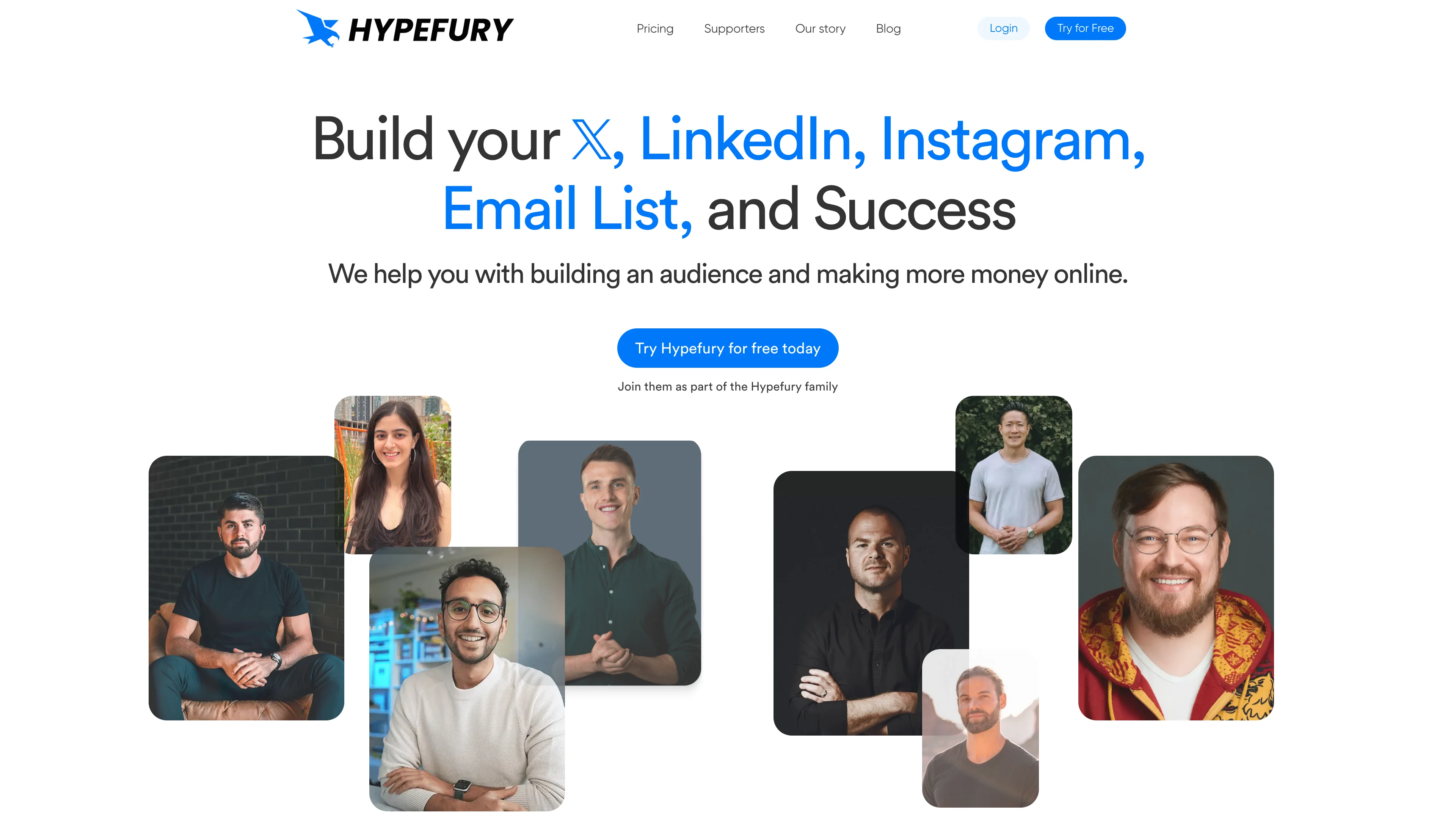
So you give it a little bit of context, of course, and show what it wants, what you want to write about, and we can take this piece of content. Distribute on LinkedIn. And now what we'll do is repurpose this post into a Twitter thread in three different variations. Because on Twitter, I'll show you a scheduling tool in a second, you can schedule those threads with tools like Typefully or Hypefury or other different tools.
Navid Moazzez: For LinkedIn, I would recommend Taplio. Tapio, yeah. Tapio, right? Yeah, I like this tool. I think when I get all in on LinkedIn, I will use this tool. Yeah. But yeah, it's more premium. But if you're going all in on LinkedIn, I do recommend this and you can grow pretty quickly with this tool.
And they have a lot of AI features as well.
Jan Koch: Yeah, what's cool with these platform specific tools is that they have an API integration. So they can pull data that works from posts that work and they use AI to put your own creative spin on this. Which is also the reason why Justin Welsh actually uses it and some really other big names in here.
It's also what you said. There's a little bit of a price barrier, like 50 bucks, uh, 52 bucks a month billed yearly. That's not to be looked down at, but without that, you don't get the AI. Um, but it's worth it. Like if you get one sale, then one sale a month should cover this.
Navid Moazzez: Yeah, I mean, on LinkedIn you should be able to cover it.
Like pro plan is 149 a month, but I think, you know, that's, you should get some more clients or customers than this and just cover it. Especially if you're active on the platform, it's not too bad.
Jan Koch: Yeah, but you can see even with just ChatGPT, we've written a LinkedIn post right now, which of course, with custom instructions being set, will sound more like yourself.
But we've created a LinkedIn post that could go into a tool like Hypefury, for example. I'm just on the free plan with Hypefury right now.
Navid Moazzez: Typefully is another one that I like. I don't know if you have tried Typefully.
Jan Koch: Yeah. I find Typefully and Hypefury be pretty.
Is it not ai not.com. Dot com, right?
Yeah. So this is the same thing right here. Um, get AI post ideas. Let's click on that really quick.
Navid Moazzez: Yeah, I think you need to be, you can only set up one platform on the free plan, but if you upgrade, I think you can take multiple.
Jan Koch: Yeah. Okay, so now we have different AI's, uh, AI suggested content ideas right here, and it doesn't really know what I am about, so that's why it says, okay, gaming platforms, power of Reddit, and let's see what happens when you create a new draft, I am not too familiar with the platform, it says empty draft right here, so you have a little bit of a learning curve for each of those, what I can share though is how Hypefury works, I'm not affiliated to Hypefury at any point.
I Have used to be an affiliate, but I'm not anymore, but what I like about this is you can just copy and paste these, uh, threads into this. So we can have these three tweets, put them into Hypefury, go into compose, copy and paste them in here, and it splits them up immediately, automatically. So what we can do is...
I have the three tweets set up. Building SaaS performance is a colossal task for any entrepreneur, let alone a full time dad. It's a secret weapon, it's like an expert set of hands, blah, blah, blah. And now what you can do in the end is, if you are on the paid plan, you have these... Pre built automations, or these pre built, uh, finals, this is actually on the free, on the pre on the premium, it has autoplugs as well, which we'll talk about in a second.
But you auto get automatic suggestions that help you grow your audience. With this, this is German, but it says, that's it, if you enjoyed this thread, follow at IamJanKoch for more content like this. Retweet the tweet below to share it with your own followers. So this is something that you don't get just from ChatGPT, but where these free tools and the paid tools even more come in handy to build your footprint on social media.
We can actually, let's just get rid of this because this is English, oh this one, and the last one is German, and put the third tweet into this again,
and add to queue, and now I've got my Twitter thread. Scheduled. And what you can do when you're unpaid is you have the auto plug feature that says, it's probably asked me for an, uh, for a wizard right now.
Navid Moazzez: Let's get into that a little bit to showcase on Twitter how people grow their list, because that's the biggest traffic hack ever.
You create a lead magnet essentially, and then you... Just it's like a bait a little bit as I'm sure you'll find a lot of people doing that I mean, he's not doing it a lot, but a lot of new people are doing I think he's a bad example because he's so big right now I think it's better to showcase a new one that are growing I'm sure you can see it in your Explorer, but yours is in German.
Jan Koch: Yeah, but I know that he actually does that, I think.
Navid Moazzez: He does it sometimes, I think, but it's good to see.
Jan Koch: He has something like this as autoplugs.
Navid Moazzez: All right, let's show this example of how to actually grow your list on Twitter because sometimes even if you have a smaller following like this guy in the example here, and we don't endorse him or anything like that. It's not why we are showing you. We are just showing you that this worked.
I mean, I'm actually sometimes they have pretty mediocre lead magnates. Which I'm not endorsing by the way, I think this is pretty mediocre, it just looks good. Uh, but that goes to show, if you have a really epic lead magnet, you're gonna get a lot of, a lot more traction from this. And I think... People are just, like, obsessed with these prompts, so that's probably why this worked well.
But I've seen this work well in many instances for different people in different industries. So let's showcase this, kind of break this down, because it's a really simple process. It's like starting with a hook, and then you have kind of something that is included, and then what to do to get that thing.
And a lot of these people deliver that via Gumroad and Notion. You can also use ClickUp. I probably wouldn't use Gumroad, to be honest. I would just have a simple lead capture and how what they do is that DM you this afterwards. They can also automate the DM by the way, based on the trigger. So you can have like some automation built into this.
So Jan, why don't we show this right now?
Jan Koch: Yeah, let's first of all put this into perspective. So this guy has around 8, 000 followers, this Granted, we don't know if this is really true or if X is making up, but he has 75, 000 views on this post from 8, 000 followers.
Navid Moazzez: I don't think he's making up. This is, this is too, too many people are getting results from this strategy.
I said to Jan, why is this still working? A lot of people are doing, don't people get bored with this? And I would say maybe at some point this is not going to be as efficient, but this is the way to do it. And it's been working in a lot of ways, in different platforms we can actually show you.
I think it's fomo. Yeah. Yeah. It's, and also it's pretty compelling. 2,500 marketing prompts. It's free. Alright, let's get in on this. Right? So if you have, you can be in a different industry, you can be in a food blogger, maybe you have a bunch of recipes that you maybe normally sell for $7 or $20 and you're giving that away for free.
I think that's great. In our case for the AI for creators, maybe we could do something similar. with the ChatGPT Mastery Guide, or like a video we recorded that we haven't released to the public yet. And that's, uh, that's a great way to build your list from X, even if you don't have a lot of followers.
I'm gonna leverage that. But I think you also need to lead with value before. I don't know what this guy posts normally, but I can assume that he's been, you know, creating on X for a little while, doing threads, engaging with people, commenting on other people's posts and things like that.
I think that is important. So you don't just expect by doing this, you have like zero followers, you're going to get engagement. You need to engage with others in order to get engagement back. I think that's underrated. People are not doing that enough.
Jan Koch: Yeah, I couldn't agree more with this and let's see how we can use ChatGPT to recreate a post like this, shall we?
Because then essentially this is the magic sauce right now. We can create lead magnets so fast with ChatGPT and deliver them in ClickUp or whatever. So what we'll do is let's break down this post on X, which worked exceptionally well to drive leads.
Navid Moazzez: Yeah, I mean he got, how many comments did this guy get?
It was a lot, right?
Jan Koch: It was a whole lot. Let me get back here. He has 600 responses almost, 137 retweets.
Navid Moazzez: I don't know, is that counting his replies back.
Jan Koch: I think so. Maybe he didn't, but he does he doesn't seem to respond to too many.
Navid Moazzez: Yeah, maybe he didn't maybe it's via DM He's like just messaging them.
So yeah, but yeah did this I'm not probably not everyone signs up for this, right? They are just kind of having the FOMO and they reply but I think a lot of people might take him up on that. I think the conversion rate is pretty decent actually on it And I've seen this a lot of times people are using this to drive a lot of traffic to their lead magnets For sure, the best strategy on X right now to do it, uh, I would say.
But don't expect to just create a lead magnet and go on X and post it, you need to be active on X. I think that says itself. Even if you have a few followers, that's fine. You can build up to a few thousand followers. That's a very small following on there. You need to have, for example, in our case, we didn't post on X for a long time.
If we did this right now, it wouldn't work as well. But if we continue to engage, we would get out this kind of blacklist on X, and then we'll actually get engagement, you know? That's what's gonna happen.
Jan Koch: Yeah, so here's how we can make this our own. It works because it offers value, a large collection of prompts is perceived to be a useful resource, creates urgency because he has, in this, for 24 hours, it's 100% free.
I think
Navid Moazzez: this is some kind of scam, to be honest.
I think this is not... I agree. I think you can do it in a different way. If it's true... By all means, use it. If it's not true, don't use it. If it's gonna be, it's like false scarcity and things like that. It's not great or urgency, whatever you call it. I think that's not the best. So yeah, just keep in mind to not ruin your brand for like a free lead magnet like this.
Jan Koch: Yeah, and then it is very simple and it's engagement boost. So, ChatGPT suggested for me 50 AI tools to maximize family time, which I'll probably actually create for my newsletter.
Navid Moazzez: I love this. I think I will do like 50 AI productivity. Maybe something about productivity, right?
Yeah. Or productivity focused tools. And then you have a subtitle that is like, how you know you can maximize time as a family man or something like this. I think that's how, yeah.
Jan Koch: Yeah. I agree. But this is a very easy way to get started with this type of content. You even added emojis here, like the post reply ai, family time follow for a DM.
Navid Moazzez: You can also do like bookmark and things like that when there's, yeah. But I think you, the DMs, you can, the DM automation you can set up with these tools, right? I think Hypefury does it, I'm not sure if Typefully as well, I'm pretty sure they do this. And then you can set that up, so you deliver that thing.
Maybe Jan will send them to his landing page. I might have a specific landing page with the e book and things like that. Very front and center. Um, I think in this guy's case there, he's just sending people to his Gumroad, which you can probably find publicly, but a lot of people don't know this. So, it's okay to do it.
It's basically like a link bait. Instead of just sending the link right away, he's sending them to, in this kind of, they need to put some effort to get that guide. And it's very common. Molly Mahoney, we're gonna show you an example of this. She's doing the same thing, and she's getting a lot of engagement on Facebook, that's her primary platform, I'd say. So, we'll get into that in just a bit here.
Jan Koch: Yeah, here are some more ideas for how you can add urgency without an artificial deadline. Artificial deadline? Yeah, who knows if the 24 hours are real or not.
Navid Moazzez: Yeah, I mean, if he's selling it, what does that mean?
Like, is he selling it afterwards? If he does... Then it's okay. If it's going to sell it for seven bucks after, then it's a real deadline. And I think that's valid. And then it's going to get far more signups for this than if it didn't. And also people are like, okay, this guy is legit. This guy is actually selling this normally.
Now we got it for free. That's valuable. So, sure.
Jan Koch: Yeah, 100%. But I like this one. Highlight an exclusive feature bonus. You could say something like the first hundred will get X, Y, and Z additionally free of charge or something like that. Yeah. This is pretty cool. Should we show the Facebook example.
Navid Moazzez: That's, that's a really great way.
And I think this does better because it's a GPT, and you can do this. Like, anyone has access to this now. You can just sign up for, uh, the plus plan, unless they paused sign ups, but I think they're gonna, for sure. You'll probably have access at some point, so you can actually create your own GPTs, and that's what Molly did here.
How many comments did she... 607 comments. I think that's counting her comments, by the way. Yeah, it is. It might be half, or something like this.
Jan Koch: But this is still exceptional on Facebook. You don't see this engagement on Facebook.
Navid Moazzez: That's her biggest platform, though. Like where she's really active. So you have to keep in mind, Molly creates a lot of content on Facebook and that's where audience hangs out.
If you're in like Facebook jail or something like that for a while, you're not going to get that her engagement, like probably I wouldn't get this engagement right now, and also she has 13, 000 followers. You know, a lot of people are using their profiles now, if you, I think you sign up like for the creator plan on Facebook or something, you have to switch your account.
I think you have that profile as well,
Jan Koch: Jan. Yeah, yeah, I do, I do have a digital creator profile.
Navid Moazzez: Yeah, digital creator profile. A lot of people are not using their pages too much anymore. So you can use your personal for business now, which is, this is something they did, you know, quite some time ago.
Jan Koch: Yeah, and this is what's called, uh, I think it's called a two step post, where you have a tease and then people have to take another step to actually get the content.
And then you just send up the auto DMs with a specific hashtag. She does it manually. Can
Navid Moazzez: you send an auto DM for Facebook though? I'm not sure if that you can do it.
Jan Koch: If I remember correctly, you could do in the past. I'm not, I haven't used Facebook too much. Yeah, I don't,
Navid Moazzez: I am, I'm not going to endorse this.
Maybe they've shut it down. I'm not going to endorse this on personal Facebook. If you can, I mean, let me know in the comments, but I don't think you can, you should do that on, but on Twitter or X, you can do things like that. And I think these tools should be within the terms of service of the platform. Right. And, and on Instagram, there's for sure, like Manychat and things like that. You can do exactly the same strategy on Instagram, but of course you have to create the content to grow and that's kind of what we showed with the example of like Justin taking, taking a format that works really well and then like just reiterating on that.
We can talk all day about different types of content on Instagram and all these platforms, but I think this is the best way to actually get people onto your list. And it's a little bit different on each platform, I would say. Uh, on Instagram, I think a lot of people have used this links in bio before, that doesn't work too well, to be honest, I think what works is to have a DM to have it automated, so if you comment, hey, do you want this thing similar to what you're doing here, and then you have an auto thing from Manychat set up, and you're actually getting that to your inbox, and you can have a conversation, that's actually how you can get sales and things like that.
It's like a bot. And Jan, you should be excited about this because you can actually have a hybrid approach with the bots. So you can have like part flow based, part AI based. But that's very advanced. So I'm not going to get into that. Like on the summit, I had Matt Leitz talking more about this stuff.
It's pretty advanced to do it. But I think on a simple level, just having the comment a word, like in this case, I want this thing or comment GPT or something. Then you send them that thing automatically in the DM. That stuff works really well on Instagram. You can do it on Twitter and things like that.
Jan Koch: Yeah. And the results speak for themselves. Like with 8, 000 followers, getting 137 retweets is insane. Yeah, it's pretty awesome. This is really, really good. What I've also seen is, this is like de platforming in its truest form, right? You try to reach as many people on the platform and take them away from it.
Navid Moazzez: Yeah, it's insane. I don't know if they're realizing a lot of people are doing this now. Because maybe this is not going to work forever, so keep that in mind. Like, I don't know when you're watching this, but I think this can be something that works. for a while and then it's going to be less effective. So use it, uh, use it not too often.
Like maybe you have created a lot of value this week, right? And then you can do it. And also Justin does something great. If you go back to Justin's post, I think that is also great because he's not really using this strategy too much, kind of he's doing it, but go to one of his threads or some of his epic posts.
What he's doing is to actually have the threads and at the end of the thread, he's promoting his newsletter. His primary thing is his newsletter every week. He promotes it sometimes, but yeah, at the end of a thread, he's plugging his newsletter always. If he's writing a really epic thread, then he will have, because then he's earned the right to plug his thing also.
Keep that in mind. In a thread, you have the chance at the end of it to say, do you want to learn more? Here's that thing. Keep in mind, in this case, maybe not as many will take you up on it because it's like buried, like down in the thread. But if you have a really popular thread, for sure, a lot of people will, especially if you have it as a next step.
Let's say you're having like my virtual summit guide. I can break down the steps and then I have something else I would cover in a lead magnet that I offer like a video or something like that, or a workshop I give them. So I think that there's a lot of potential with this for sure.
Jan Koch: 100%. And I think the, so here's an example for the auto plug. It's just a simple tweet that got tons of retweets. Reach 500, 000 views. And you can say in Hypefury, for example, you can set a threshold for when to auto plug so that you don't promote every single time. But let's say for Justin, if he gets 200 comments or 1, 500 likes or something, then he plugs his newsletter and this is written...
Navid Moazzez: Have you checked what he's doing with it? I don't know if he, how fast he's doing it, if he's doing it automatically right away, or if he's waiting a little bit till he gets his number.
Jan Koch: I don't know for sure, but I would bet that he's waiting for a certain amount of engagement.
Navid Moazzez: I would probably do that because otherwise it looks strange.
You know, you have zero three retweets and you're like plugging yourself , but probably in his case, yeah, you have to earn it. By then, probably in his case, he knows he's getting quite a good engagement, so that works. But as a new creator, you just have to kind of create on the platform for a while. You know, use these strategies to break down what popular creators are using.
And also, don't only check what Justin and big creators are doing now, check what people like this guy we showed you, what he's doing, and other ones that you might be interested in.
Jan Koch: Who are just a few steps ahead of you, rather than a mile ahead of you.
Navid Moazzez: I don't even know who that guy is. I don't endorse him or anything.
It's just someone I found in my feed because he had a popular post. That's all, actually. I mean, that's it. So, let's get into a little bit with... YouTube. I think YouTube is an, I mean, it's the best platform by far, I think, for creating content and publishing content. I'm not sure if it's the best platform to get, the leads right off the bat, because YouTube wants people to stay on the platform.
But when you have traffic, you can for sure plug your links in the description and things like that. You can have these kind of cards on your videos. You can actually put links. They have some features for it. YouTube is a little more strict. They don't want people to leave the platform as much. And I think the other ones doesn't either, but as you've seen with these examples, you're getting quite a good engagement.
So I don't know if you want to show something on YouTube.
Jan Koch: Yeah, I have one example of a YouTuber who does this really well. And that is. It's, bear with me, it's crypto, but he does it really well, and that's Digital Asset Investor. And he got blocked on X, like, five weeks ago or something, with 380, 000 followers.
Just shut down. And he was quite mad about that, and now with every single video that he's doing, is he's teasing at the beginning what the video is about, like you should do, set the stage for in this video, you'll learn about A, B, and C. And then throughout the video, he says, Oh, I can't talk about this on YouTube.
They'll shut me down as they did on Twitter, blah, blah, blah. And then he drives people. to his Patreon for six bucks or six euros, seven dollars a month, which is essentially free. And he's diving deeper into content there. So one thing that you can do is you can, what you can learn from this is take one of these video examples, run them through ChatGPT, analyze, this video, or maybe we need the plugins there because it can't do that straight away. So we have the VoxScript. Yeah. Analyze this video, break down how the video host pitches his own community throughout the video and explain how I could do the same. You just find some, someone who does it really well.
Who keeps people in the video and who pitches different platforms throughout. And then you reverse engineer with the process like this. Why this is working and how you could do it yourself. So he integrates the pitches for his community deeply into the content. Has different processes, like he's using exclusivity.
He always teases like, I'm taking this further. As you said, let's dive deeper into the content.
Navid Moazzez: I think the extreme case is with crypto and things like that, because they are a little bit hypey, at least for my taste. I wouldn't do it for my brand. For his brand, maybe it works because people are like, I don't know, I'm not going to comment on this.
Jan Koch: But you could do the same in any topic though. You can have an overview video, let's say on email marketing, we break down the process to write a soap opera, just like we did for the course. And let's say we do it on a high level overview for the cold audience on YouTube and then let's say if you want to dive deeper, sign up for the course or sign up to our newsletter or this, that and the other thing.
Navid Moazzez: I think that's how you have to do it. And like, if you have a great offer from a video, like it can be also for an affiliate offer. I've done this a lot myself. For example, if I do a video with, let's say, ConvertKit, and it's a great workshop, it's a lot of value, but then I say, yeah, sign up for a 30 day free trial of ConvertKit.
If you go to their site, you cannot get a 30 day free trial. It's not available, right? And for most people, I think maybe there's some select affiliates that have this, but not a lot. So you cannot just, Google it and find it really easily. So that's why this type of offer works well. It's the same for the lead magnet, but I would just do, similar to what you had on X and on, like what Molly is doing on Facebook, I think it's the same on YouTube, it's just a little bit more challenging because you have to, you might not have a following yet there, but if you have a YouTube audience, and subscribers for sure easier, but then otherwise you have to build it up.
You can be in the black box of YouTube. It happens. I'm in the black box currently as we're recording this because I'm not getting a lot of news because I didn't publish for a long time. But I'm sure when I like start publishing more consistently, especially with this series for the summit. You know, I think when you have a lot of content on a similar topic, it starts to kind of pick up slowly.
Like, one video might do well, then the other starts doing well. It's kind of a snowball effect, essentially, and that just takes a little bit of time, and you just have to be patient.
Jan Koch: Yeah, and you have to use ChatGPT to write the video scripts and have this content pipeline, I feel, or maybe a different AI tool like this, not necessarily ChatGPT, but you have to, as you said, be consistent.
ChatGPT helps me personally with that, crafting the video outlines, writing posts, you can have surveys and polls and stuff on YouTube natively now too. Just take advantage.
Navid Moazzez: I don't script my videos like this. I like the outlines to know what I'm talking about. I think that's great. And some people are scripting word for word.
I think it's great if you have like maybe a teleprompter or you like read one line at a time. Otherwise, it's going to look... pretty strange, unless you are really, really good at memorizing, but yeah, the outlines work well, and I think that's basically what we have to say about this. I don't know if you, you have some ideas for your own brand, if you're going to publish based on this, Jan.
Jan Koch: I think, maybe to wrap up this topic about video marketing and YouTube, there's two different types of topics that work well. One is very news oriented, short lived, concise, fast, to the point, like, at the time of the recording, this, that, and the other thing happened. Let's make a five minute video about this.
The other thing is educational, in depth, like you love to do, Navid. These really long, super detailed, very, very applicable, action oriented videos that are evergreen, that rank forever. Newsworthy content is dead in, like, two weeks from now. Evergreen is a lot more work to produce, but can lead to results for you.
I
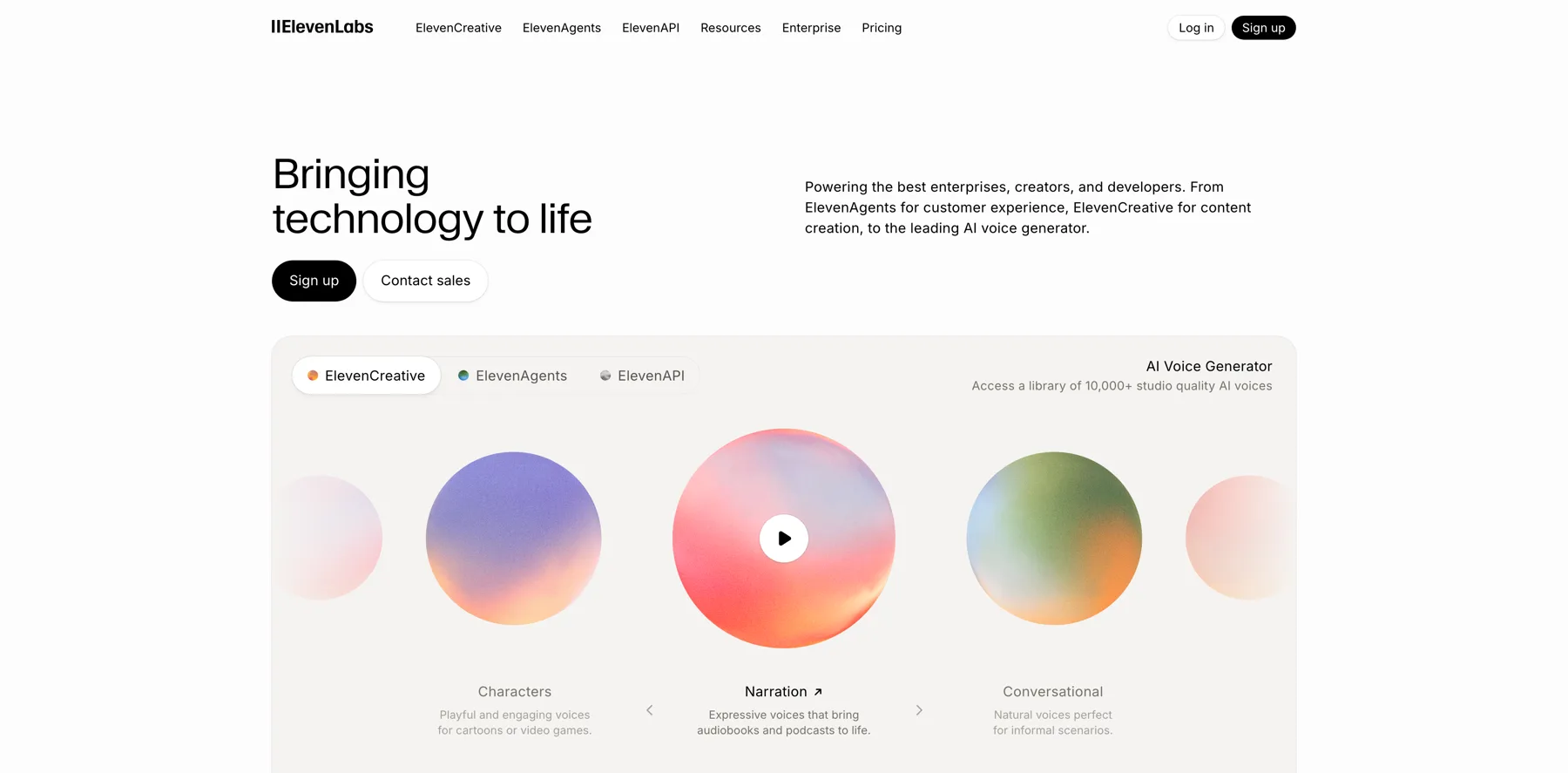
Navid Moazzez: even tried to make AI content evergreen. That's not easy. No, it's not easy, but I think the principles are the same. I talk a lot about the, like, how are you using this? A lot of people are using, yeah, the tools are, that's what's gonna change. You know what I mean? The workflows for doing podcasts, I just spoke to Eric Siu, he has a really interesting workflow for his podcast, and you know, another, another way to get a lot of traffic is to translate your podcast and videos and things like that to different languages, and you can use tools like ElevenLabs, he mentioned another one, I will make sure I link that up as well.
But you can do a lot of different things from your different content to get traffic and then you can bring them onto your email list and things like that. I think that's just gonna get better. So I, that's what I mean like try to have as evergreen as possible because really these strategies, like you're leveraging these strategies.
You're going to just, get better and better with it over time.
Jan Koch: Yeah, so how I define or what I understand as borrowing audiences is that you go into audiences that already exist that someone else has built. Examples of that would be you'd be a guest on a podcast. You'd be invited to co host a webinar like I've done one with Semrush years ago where they brought me on.
Virtual summits is a big one, like all these speakers you have at the summit bring their audiences, if it's worth it, of course.
Navid Moazzez: They speak on, like, it's both ways, right? So it's still it, marketing, like, I bring the speakers onto my summit I'm hosting, so they gotta promote that to their... audience in many cases, right?
Not all of them, but a lot of them might promote. And then if you are speaking at a virtual summit that is of great value, you are also, you know, borrowing that person's audience or the other speaker's audience. It's kind of a snowball effect. So I think like virtual summits is like on the steroids. I'm not saying that every summit is going to get you a lot of traffic and things like that, but it's a good way to do it.
Like you have to see kind of the ways that's work, working well in your audience. And then, you know, the affiliate program part. I mentioned it, like you can borrow other people's audience, like summits that's on a bigger scale. You can do this on a one to one level for a webinar or for a product launch or something like that where you are getting people to promote you to their email list, essentially, and you borrow their audience. Pretty simple concept. I think that's what I would say. And how, where does AI come into the picture here? That's a pretty good question.
Jan Koch: It is, and the big spot for AI here is the outreach beforehand.
So when you borrow an audience, you need to obviously have that relationship with the person who built the audience. And they want... They need to want to put you in front of them, attaching their name to yours. In order to do that, they need to trust you, they need to know you, and they need to know that you will deliver exceptional value.
So what we want to do is, in this case, we, why is LinkedIn so small? We'll take someone, I don't know, let's say, um, let's say Kim Doyle is a mutual contact of ours, she's in the content marketing space as well with email and stuff. Let's say I wanted to pitch Kim and to see what I can do to get her to share me with her audience.
So I would take in the about page of a LinkedIn profile, as an example, put this into ChatGPT and say, I need your help to turn Kim Doyle. into my affiliate, so she invites me onto her podcast and co hosts a webinar for her audience with me. This is her professional bio.
Navid Moazzez: You can also do this for the emails that you set up.
Let's say you do a webinar, you need to obviously provide some swipe copy, essentially some example copy for your partner. That's also a great use case for AI, because it's pretty boring to write it. And if you have something from before, even easier. If you don't, you can take maybe some examples or maybe you have some ideas for it.
It's always hard to start from a blank page. That's why I like to have a structure. And it also helps the AI to understand what you're looking for. Otherwise, you have to give a lot more instructions to it.
Jan Koch: Yeah, that's absolutely on point. And one thing that you have to provide in any case, whether you're writing a cold pitch or the copy is, you need to tell the ChatGPT what the affiliates will get and what you expect them to do.
So let's say, please help me write a personalized cold DM to Kim.
Navid Moazzez: Starts with hi, that's good. Good. Imagine if you said like, dear Kim
Jan Koch: we would have needed to cut the video quite, uh, early. So this is way too long, of course, friends. So this is like,
Navid Moazzez: We should do it a lot shorter shorter and to the point, like, yeah, really, really straight into it. I think like not a lot of email, like not a lot of, uh, paragraphs and the words in a email inviting them to do this.
Jan Koch: Yeah.
So 150 words might still be too long, but this is something that you could further tweak and run out. The main advantage here of using AI is once you have the format that gives you cold DMs you like, you just need to repeat this with different biographies. You just say, write a cold outreach like this for this person with this biography.
Then you repeat with this person, this biography. You don't have to do the research yourself anymore. That's the main advantage in this use case. And then, of course, as you said, Navid, with affiliate copy, with graphics for the affiliate promotion, with even, what you want to do if you're leading up to a launch and you have a massive affiliate, you might do a special event for them.
And AI can help you draft the slides for the webinar you're doing together or help you outline the conversation on a podcast.
Navid Moazzez: AI can even help you write press releases and things like that. I did a video with Alicia Lyttle. And she showed me, like, she created a GPT for it as well. Check out that session on the summit.
That was pretty interesting. She created a full GPT with her imported, like, has a set of questions. We might do a GPT like that as well. That's pretty interesting. It's a cool way. I don't use press releases a lot myself, but if you wanted to do it, it's great. But you can do the same for anything here basically for I think for the affiliate swipe it's an interesting use case like to get on the podcast you can do it for the follow up emails. What else can you do?
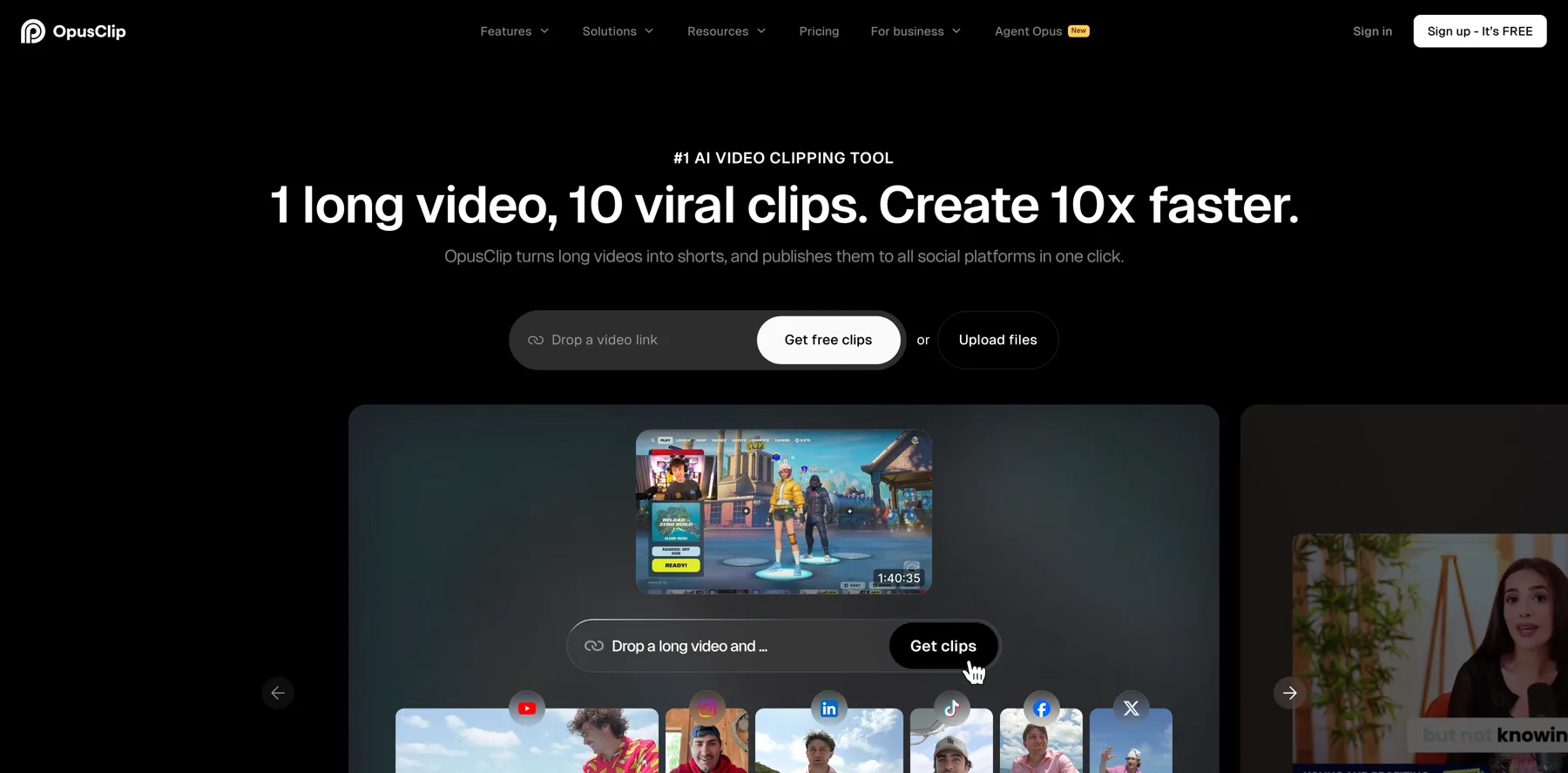
Jan Koch: You can do, let's say you have been on a podcast, it was a video podcast, you can go into a tool like OpusClip and you can repurpose that.
You can ask the host to give you the recording. And then you can repurpose that into different shorts that look like this, where you get a 30 to 60 second clip with the transcript and you can promote that on social media to drive traffic to you.
Navid Moazzez: I think that's a great way because you're only creating this content once and then you are getting it, getting a lot of pieces of content, essentially, that you can get, drive traffic from.
You know, if you do something specific, you can even. grow your list from it. I don't know how efficient it would be if you have like a general clip. But if you have something like in the post that is relevant and then you maybe bait people to sign up for it or maybe you have that in the first comment or something like this Yeah, you can grow your list because you didn't have this content otherwise, you know, this content is like from your existing content.
So I think that just speeds it up a lot.
Jan Koch: Yeah, and remember the auto plug feature that we covered earlier and nobody stops you from copying this transcript for this video snippet into ChatGPT and say, expand on this and then you combine that with a blog post that you have written about the same topic and say, merge the two together and create five posts and you spread them out over a couple of weeks so that you have variety in the topics that you talk about on social, And you still leverage this content piece you've created once over, let's say, three to six months, even.
Navid Moazzez: That's also why I would go all in on getting on other people's podcasts, because I'm getting clips. And these days, a lot of people do video for podcasts, which is great. They're using Riverside and Squadcast and tools like that to record. So it's actually a nice way for me to get clips. Even Eric Siu, he asked, Hey, can you send me this recording?
I'm not going to use the entire thing, but I'm going to cut it up, you know? So I think. I think it's just more common these days. That's how Alex Hormozi is doing this all the time to produce a shit ton of content around social media. Like that's, that's how he gets out there basically. So then another thing we wanted to cover in this segment of this workshop is the Creator Network at ConvertKit.
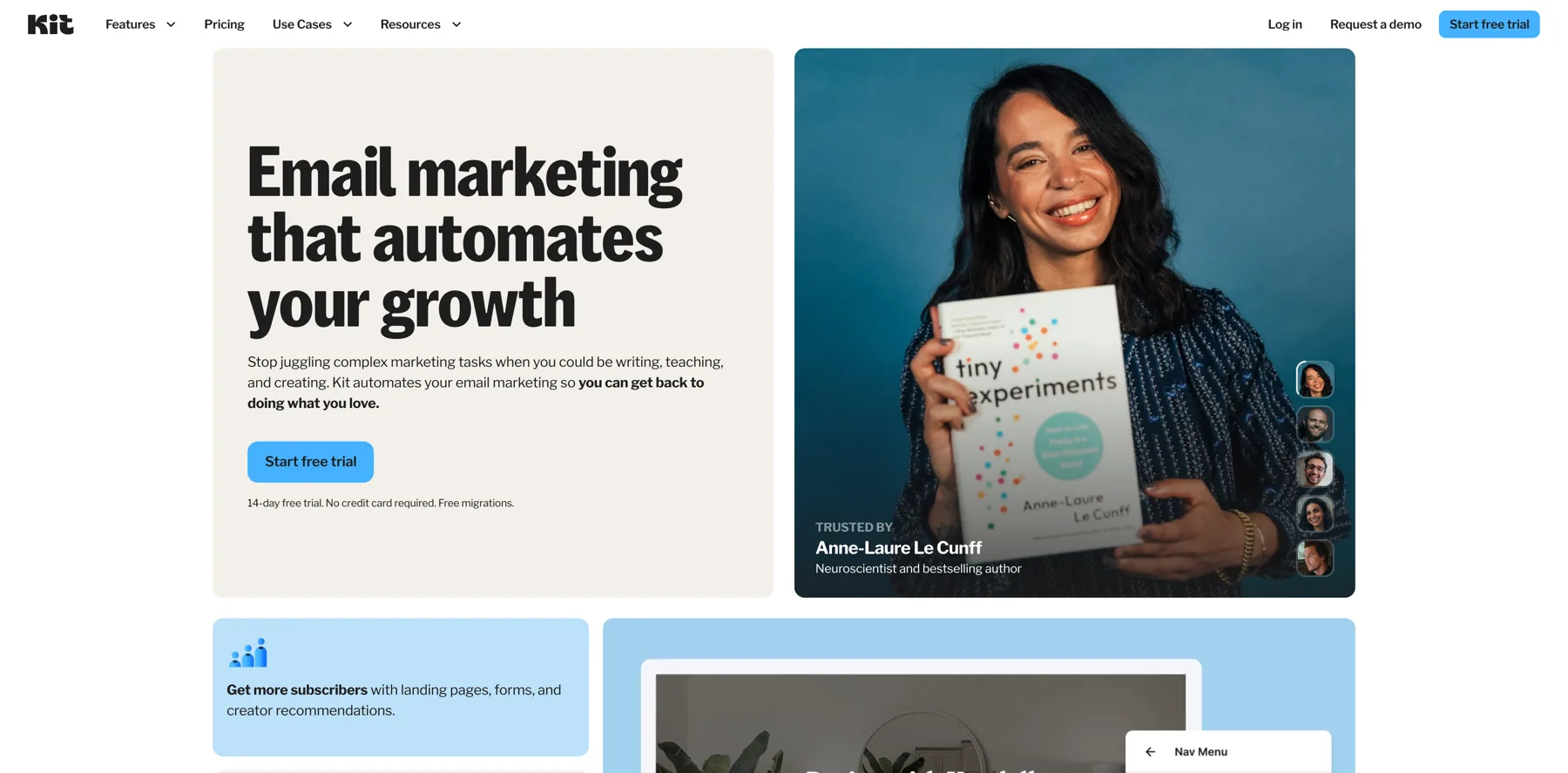
But this is actually available through any platform, more or less. At least some platforms have integrated with SparkLoop. ConvertKit bought SparkLoop basically. So that's, uh, that's what this is. If you're on the Creator Pro, it's included, and Jan is gonna show you what this looks like, it's actually really, really easy to set up, it's completely integrated, you don't need to do anything.
You have your page on ConvertKit essentially, but then you can recommend other creators when they are signing up for your list you can recommend others. Maybe Jan wanted to recommend me. That's great So I borrow Jan's audience when they just sign they just come to my page or to Jan's page and they sign up for his list and then he recommends me, right?
So I'm getting a free subscriber essentially That's because you recommended me.
Jan Koch: And this is what it looks like. Yeah. In SparkLoop, you can set up your account and create your profile. Yeah. And then you have the, you can even make money from this. Like these are paid recommendations.
When somebody subscribes to The Edge, I get 1. 10 per subscriber, up to 1, 000 a month, for Stacked Marketer I even get 2. 50, which is not a lot, and imagine for these other, for these newsletters, imagine getting a subscriber that's qualified because they opt in for 2. 50. This is insanely cheap for this.
Navid Moazzez: If you have a more popular list and you're getting like, let's say, 100 to 300 subscribers per day, then you will actually be able to make some money on this if you have paid ones.
But I wouldn't only do paid ones personally, like maybe I will have like someone that was free, but I think a lot of people are doing the paid thing now, which is great. They're advertising, but you have to make sure you're endorsing them really. Maybe you don't vibe with their content and things like that, then it's not a great idea.
You can also, which we will get into in the sponsorship segment, you can also sponsor in this way. That's another way. I think that the limit, you need to have a budget of 2,000 dollars a month currently with this. So you can actually pay for this, like these slots that people are, Jan mentioned, they are paying for this and they are paying up to... over 2, 000 a month, essentially, so it's not for, maybe early stage, but when you're growing your newsletter, you can reinvest that, and then, like, you have this flywheel, and then it's kind of a beautiful thing.
Jan Koch: It boils down to how much money you make per subscriber and how fast you make it, right?
If you have, like, the sales sequence, you've got the welcome sequence, you've got a sales sequence attached to that, and you know that in the sales sequence, you can sell let's say 5 dollars worth per subscriber on average, then you know you can reinvest a dollar or two into new subscribers. Yeah. And then, then you have money fueling your growth.
And this is what this looks like , on the front end. People are already subscribed to your newsletter at the time they confirmed GDPR and all this annoying stuff. And then they get presented with a list of other relevant curated creators that you found picked that obviously match your topic, but aren't direct competition and they can subscribe to all these within a single click.
Navid Moazzez: I think it's cool, I'm not sure how much with AI this is, but it's, uh, it's still a pretty great strategy. I think you can, maybe the descriptions and things like that you would do.
Jan Koch: Yeah, you can write these things with AI. Like if, if I go into personalize your recommendations, I can tweak this so I could have this on AI.
Navid Moazzez: I think at some point AI powered, I think they haven't like promoted it too much, but I'm sure they have some things they are working on to make this, because with AI you can make this a lot more, a lot better basically, so it can actually, depending on the, how your audience would react to certain things or maybe The behavior, it's doing, like, it's giving different recommendations, essentially, I think.
Yeah. And I think that stuff might be coming, to be honest, like more, more personalized, basically, and the AI can help a lot with that. If you think about Netflix and platforms like that, when you log in into the platform, they have very personalized experience. I think that's happening with memberships.
It's more complicated right now to do a lot of these things, but I think with tools like Searchie and hopefully the WordPress platforms with LearnDash and BuddyBoss, they could go all in on this because I think that's the future. And the same thing with email personalization, I think that could be taken to a whole nother level if it was integrated more with AI, the behavior of kind of the audience.
I think you wouldn't need as much other things that is more complicated to set up if the AI, it was just AI powered basically. I think that would be great.
Let's get into write content at scale to rank for low competition keywords and repurpose and enhance existing content and how to get backlinks via guest posts and stuff like that. We'll cover that quickly because I feel we have a lot of content how to do this already in the members area. So we don't need to get in too much to this, but that's a great way to get traffic.
Would I recommend blogging as the first? thing you do if you don't have any audience, probably not because it's more technical and things like that, how to do certain things. But I think you should still have it, like you should maybe do it as part of something else. Maybe you are creating longer videos, turn that into blog posts or something like that.
So you have this avenue at least, you're not neglecting your own site. I think that's always great to do.
Jan Koch: Yeah, or maybe if you've been interviewed on a podcast, turn that into a blog post and create some snippets from that. But I think what's important here is you combine this research with some form of keyword research tool, right?
You can't just rely on ChatGPT to give you accurate keyword research data, because it just doesn't have that. So we can have...
Navid Moazzez: I think Content at Scale has it built in, Keywords Everywhere. But if you can't afford Content at Scale, or you're not blogging as much, I mean, would I use it if I'm not taking it seriously?
Probably not, because it's a quite decent investment every month. It's still a lot cheaper than hiring writers. And things like that, of course, but you have to, see what works best for you. Probably I would go with RankMath if I didn't have a lot of money to spend. I think that's really cheap, Content AI by RankMath,
Jan Koch: Yeah, that showcases that. That's inside WordPress.
Navid Moazzez: Yeah, it's right inside WordPress. So if you're not using WordPress for blogging, I mean, that's uh, that's unfortunate. I think, I don't like WordPress to be honest, but it's the best platform. I tried Ghost, I tried a lot of them. Ghost has the best writing experience, similar to Medium.
And you can also blog, of course, on Medium, but you don't have a lot of these features to actually help you with the writing and knowing what to put in the post. It's not just about writing a post for the keyword. It's like a lot of other things to think about, like NLP keywords and different things, how to structure things and how many times you use the keyword, how long the post is.
There's so much, and that's just the on page SEO. We haven't even talked about the other part, which is how you actually get the post to rank, which is the backlinks. And we're not gonna do an SEO masterclass here or something like that, but that's, there's a lot of things that goes into blogging, which is why we're gonna blaze through this pretty quick, because I think this is not...
Maybe for the, for a beginner, it's not what I would focus my effort. I would probably focus my main content on something else and then turn that piece, that into blog posts. So we'll show you kind of the basics here, what to think about.
Jan Koch: So I would start with topic research, say the topic is AI for productivity.
Yeah. Relevance. You can talk about different types of research. So let's see what has been done on, in comparative types of content, because in, in these types of formats, you always see like the 50 best tools on AI for productivity. Yeah. Different formats. Uh, let's create a summary. Focus keyword is AI for productivity.
Maybe let's actually leave this open. Output content is US English and the target audience is business owners. And let's have five outputs here. And now this is using AI in the background. Probably it's a wrapper around OpenAI, I would say.
Navid Moazzez: Yeah, but I'm sure they have some prompts behind the scenes. So they have tuned this model.
I'm pretty sure they have. Maybe not as good as Content at Scale. But it's, it's pretty decent. Can this write blog posts, Jan, that is like two, three thousand words, like with one click?
Jan Koch: Okay. No, not with one click. That's not, but you can, uh, use the different functions to write an outline and then write content for each section.
Navid Moazzez: Okay. So it's pretty similar to ChatGPT in that way, but it's maybe more tuned. So it's like they know a little bit more how to structure the blog post. I think what's different with Content at Scale and why it's a lot more expensive is because you have it one click and it can actually write a really good post.
And then you add maybe some more of your thought leadership and stories into it. And then it's actually really, really good to publish.
Jan Koch: Yeah. Yeah, so this doesn't do that. You can see right here, it gives you an outline like AI and customer service, AI and data analysis and process automation and stuff. So the usual things.
And then you copy this and you paste it...
Navid Moazzez: It looks like a wrapper to Open AI's API like completely, like not, yeah, it's not as fine tuned as Content at Scale. I've compared this quite extensively and I, but I still think it's better than ChatGPT out of the box to use Content AI by Rank Math.
Yeah. I think is for sure. And you don't need to prompt too much. That's also why it's easier for you.
Jan Koch: Yeah, you have all these different features in here, so let's say I want to write a blog post title for this, you just copy and paste the introduction into here, and say the length should be short, output language is English, and then, I mean, this is not rocket science, you could do it with ChatGPT too, what this saves you with is you don't need to know the exact Prompt for getting the best headlines.
You assume that RankMath. ai has been built and prompted in a way that they know which headlines rank. Yeah. And that's why it's better value for the money and for the time.
Navid Moazzez: Yeah. So you can do this process actually for guest posts too. Like, I don't think guest posts is, is getting like a ton of traffic always, but what you can do is to get backlinks for this and that can be useful to promote your lead magnets get traffic back to your site and then, you are going to generate more leads as well. You have to be maybe selective what you are doing with this, to be honest, like, you have to make a list of the posts in your industry, and I think you can actually use AI to craft that. You can like craft your hit list, so to speak, or your media list, or whatever you want.
AI can be really helpful for the research process, and I think that's where we use it a lot for, the outlines and things like that. So, yeah.
Jan Koch: Yep, absolutely. And AI will also help you to get in contact with the other website owners as well, like the personalized outreach we've talked about earlier comes into play here as well.
Navid Moazzez: For sure. Is there anything else you wanted to cover here? Of course, we can repurpose and enhance the existing content, I think. We have covered that in some other videos in the members area, for sure, around the AI Super Bundle and things like this. But yeah, I think, I think it's interesting with blogging.
I feel like I have a love hate relationship with it because I love to have content on my site, but it's also like in the age of AI and digital writing on the rise, like on social platforms, you have like your social blogs. I feel like for most people, it's more beneficial to start there and then... Still have your site.
I think that's the bad thing when you don't have your own blog or site at all and you just have content on the social web. What happens if they shut down X, like Elon Musk, he's going like crazy or something like that, right? What's gonna happen? You lose your following, all your data and everything.
So I think that's why it's important to have your content there even if you don't get traction from it, have your content in a blog format. You have that, you own it. Probably you're not saving all your Twitter posts or X posts or LinkedIn posts. You're probably not doing that. So what happens if you lose your account?
You lose all this content as well you have created. Unless you have saved it somewhere else, you don't have access to this anymore.
Jan Koch: Yeah, what I would say is use social media as a guideline for what type of content to create. Like we've said, it's super important to be consistent on social. So if you put out seven posts, one per day, pretty soon you'll know which topics resonate.
And those are the ones that I would repurpose into longer form content on the website.
Navid Moazzez: Perfect. Let's get into the next segment of this, which is Sponsorships, ads, and more. We have some more strategies there, we didn't know where it would fit in, but let's get into that here with Podcast ads or I guess sponsorships in a way, but there's some different strategies for this here.
Jan Koch: Here's a cool tool for creators and advertisers alike, which is called Passion Fruit. It's a fellow German startup sit in Berlin and they work with creators and connect them with people who want to sponsor on their platform. So you can see Ali Abdaal in here, PromptsDaily, Superhuman, like all the big names are on this.
And then what they do is they have storefronts that look like this, where you can book a sponsor video.
Yeah, it's free. As creators, it's free. I've actually done this in the past. Do they manage their sponsorship? Uh, no, you have to, I can show you the backend one sec. So this is what it looks like.
It's a very simple, straightforward process to set up the ads and stuff. I've done this in the past.
Navid Moazzez: Do they have like a scheduling process? Is that why people are using it rather than just, let's say I'll have ThriveCart, I might just set up a buy link. Why would I use this if I have another cart to take payments from the sponsor, for example?
Jan Koch: Because. Here the, uh, the pitches that sponsors are on their platform already. So you have these conversations with sponsors directly in the platform that looks like this. Uh, I'm promoting a free guide and stuff.
Navid Moazzez: Okay, that's pretty cool.
Jan Koch: And they collect, they can actually... You can manage the slots. So let's say you write a weekly newsletter, two slots per newsletter.
They can book the day and time they want the ad to go live. So that is pretty useful.
Navid Moazzez: You save time essentially rather than going all this back and forth that you might do if they sign up via your cart and it's like trustworthy because a lot of other people are using it. So yeah, I think that's another thing.
Great. I might use that for my newsletter, when I launch that.
Jan Koch: So this is pretty cool. So you can build your own storefront in here, take payments, manage the requests and stuff, share your own. The alternative process would be you do it some like somebody like Justin Welsh.
Navid Moazzez: Yeah, he has traffic now, so people know him, so he's just doing it himself, I think. You have your shopping cart, or your checkout, and then you're just taking payments, basically, I think. Yeah, and I can't even find the page anymore. No, he has it, if you Google it, you'll find it.
It's a different one. So sponsors Justin Welsh, you can find that. I think it looks pretty good, his page.
Jan Koch: Yeah, that's what I want. Oh, sponsor the new setup.
Navid Moazzez: Yeah, he just doesn't put it in public. This is pretty cool. Yeah, it's not a bad page, but I do think like, look here, reserve your spot.
It's actually pretty cheap. I would consider paying that for, man, I should, should I pay that for the summit, man? I'm not sure, man.
Jan Koch: He has no dates in December left.
Navid Moazzez: Yeah, but I'll do it for the evergreen version in January. I'm gonna buy up a month of slots from him and see how it works.
Jan Koch: He is booked until March 2024 for just the time to discuss the sponsor. So the first issue that can go out is on March 30th.
Navid Moazzez: No, that's just the time. It's just the time, but it is the time when he sends his newsletter, basically.
Jan Koch: Yeah, yeah, so that's the first newsletter you can sponsor is March 30th next year.
Navid Moazzez: He has a pretty decent setup. Yeah, he's using Calendly now. Before he used Kajabi for it. I think he wanted to it's a more simple way to not go a lot of back and forth when you're using your own cart, you cannot have this as easily, you know, like, there's no, no way to do it. I think that's why people might use Passion Fruit or
Jan Koch: Passion Fruit.
Navid Moazzez: All right. So sponsors is a great way to get traffic, I think, in general, like you can sponsor a newsletter , imagine you have a lead magnet that is really valuable, or you have a summit coming up, maybe these people are not speaking at your summit, or maybe they are more complicated to get them to promote stuff like Ali Abdaal or Justin Welsh, they don't normally do that, the only thing they reserve it for is their sponsored slots, alright?
Which is a good and bad, they probably don't use all these products, you know, that's, uh, that's why I feel like affiliate marketing versus sponsorship is an interesting one. They could also be an affiliate for my program, they would probably make more doing that, right? Probably, yeah. Yeah, they would, it's 100 percent like, that's why I'm like, these people are doing sponsorship.
It's actually less authentic in a way, yeah, a lot of them are promoting stuff, but are they really using everything they are promoting in a sponsorship? Not always. So I think that's an interesting thing. So why would you do sponsorship versus affiliate? I think you can do both. I think that's the thing.
A lot of these people are only doing sponsorship because they want to have the perceived values higher to get it promoted. I'm more in the boat of If I promote someone as an affiliate, maybe I bring ConvertKit on as an affiliate, instead of them just promoting this newsletter and paying, I'm not sure if that's a combination.
Maybe you don't know this, like maybe they have both the sponsorship and the affiliate, but that's a little bit strange as well, so I'm not sure if they're doing that. Maybe they just have a sponsor slot. And they don't have the affiliate link in that, you know, I don't know what you think, Jan, in this case.
Do you think they're doing both? In this case, let's say ConvertKey sponsor you. Do you think they would give affiliate commission on this as well?
Jan Koch: No, I don't think so. I think, I mean, from a brand's perspective, doing the sponsorship might be the cheaper deal. It's more risk upfront. But , it's cheaper in the long run.
If the offer does really well, as you've said, you would pay affiliates a lot more money than you would pay for a fixed fee sponsorship.
Navid Moazzez: I guess I'm good at setting up. I set up so I got the sponsor and the affiliate deal. Yeah. I know how to do these things. If you need any advice, maybe you should check out the sponsorship course with Jan.
We're updating some of this and Get Your First Sponsor. So that's more relevant for this. But yeah, so I think you can get a lot of traffic from this. Would I sponsor people? 100 percent I would like in terms of like Justin Welsh, Ali Abdaal and people like that. I would consider paying money because it's pretty cheap in comparison to paid advertising, I would say to get this quality.
Maybe I'll get like from, I don't know, from a sponsor in Justin's newsletter, I would get a few hundred leads probably, a few hundred. Yeah, let's see if it's great. Yes.
Jan Koch: Average sponsorship clicks 400 to 800 and then you would obviously use AI to write the sponsorship copy, right?
Navid Moazzez: Yeah, I mean, I could use AI to write the sponsorship copy with a blurb or something like that in his format. Like he has a specific format. I would put that into ChatGPT and then I would basically get exactly what I wanted.
I think 400 to 800 clicks. Yeah, depends.
Jan Koch: So that's, on the worst case, it's almost like 10 bucks a click. So that's pretty expensive. That's not leads, that's just clicks.
Navid Moazzez: Yeah, it's just clicks. It's pretty expensive, to be honest. Average, uh, like, I don't know, man. I will test it out and report. I know some people are getting a lot of value from this.
I have heard people are doing it, for sure. You have to kind of compare that to paid advertising a little bit in your market. But I would explore all avenues. This is something that has been really popular lately. I think another thing is the paid thing in the creator network. You know, you can do paid sponsorship there as well.
If you go back to this, Jan can showcase what that looks like. So you need to have a budget of $2,000 a month for this, and yeah, you can write a copy and things like that for these things. And also you have a profile actually in SparkLoop for it. So you need to set up your profile there, people can explore it, kind of these things.
You can do it so it looks more enticing like your description or whatever. It's not that much copy, but yeah that's what I would probably use it for There's a few other things. Do you want to say something around this Jan?
Jan Koch: No, I think this is really hard to pinpoint if a sponsorship or affiliate makes more sense.
Navid Moazzez: Yeah, I think you should explore both. See what works in your market. I'm not gonna say like maybe for you a sponsor slot will work really well. Maybe you have an easier way to get affiliates because with affiliates you have to have relationships. That's the thing.
Jan Koch: Yeah, they need to work like it's one thing to get somebody to sign up as an affiliate.
It's a whole different thing. To make that person actually do affiliate marketing.
Navid Moazzez: Yeah, you have to actually, it's a little bit more work on your side. If you're just paying for a sponsorship slot, you don't have to work for it. You're just like, okay, I paid for this and as long as they approve you, I mean, based on your content and things like that, you're going to get that slot in their newsletter, in their format.
But it's, that's all it's going to be. It's not like a long term relationship in most cases. Unless you set up that, some of these people also sponsor YouTube videos. I think that's another thing. Do you guys sponsor YouTube videos? And you can actually maybe write the integration with AI so the person can get like, like a swipe.
Of course that person needs to integrate in his own voice or whatever, but you can give them a little bit help, like in the way they integrate this. But a lot of these creators, I think they are doing it based on their audience, and they are doing the integration basically for the sponsor, so it sounds good in their way.
But yeah, if you are a YouTuber and you wanted to sponsor someone, I guess that's kind of how you could do it as well. Um, but that's, so there's a few other things like review article ads. I think that's maybe one that you could do. There's press features. There's Haro. You can do all of this with AI.
There's actually, I don't know if I've seen on LinkedIn as well. I think I've seen on LinkedIn a lot of people are getting like prompted to reply to certain things. I don't know if you get that to become like a leading voice and stuff. Yeah. Just as a side note, that's probably what I would use for, you know, if you go back to the social media thing. I think that's pretty useful to get more leads and become a leading voice on the platform.
Jan Koch: Yeah. It's some, something like, I think he has this as well. And Dennis Yu has this. Dennis session on the summit was great, by the way. Um, Dennis has like four or five batches of top voice of something
Navid Moazzez: I think you can, I think you can only have one, but you get that by replying. Okay. There you go. Hmm. Okay. That's interesting. Uh, so yeah, I think when you comment on a lot of people and you post enough and you, you know, LinkedIn probably is something, yeah, they prompt you to reply to certain things sometimes, so they also get, get the more, if you do this enough, you're going to get this.
And I think then people trust you more on the platform, you're going to get more leads. So it's like the snowball effect. You get more traffic.
Jan Koch: One last thing I would say is, let's briefly talk about Haro, Help a Reporter Out. Haro connects journalists seeking expertise to sources who have that expertise.
And I've done this in the past, I've gotten some features. You get a daily newsletter, I think maybe even three newsletters a day.
Navid Moazzez: It's like spam basically, you're getting a lot of that.
Jan Koch: It's a lot, yeah. But what you get is, you get journalists requesting... Information. And if you can provide that information, it's really fast to write an answer with AI, fill in your personal knowledge into that, and then pitch that answer to the reporter.
And they might feature you in the next content piece that they're working on. Yeah, that's not no small outlets using.
Navid Moazzez: But I think we have covered a lot of ground in this workshop, Jan. What do you say? I think You can, you don't have to use all these strategies. I think you're starting with something.
Maybe you are very active on social media, on LinkedIn or X. Start there, because you don't need to be doing all these strategies. When you are growing your list and getting more subscribers, oh, maybe then it makes sense to explore Sponsorships and things like that. Maybe if you have a summit like myself coming up, then it makes sense to explore, you know, the affiliate marketing.
You have actually a reason to do it. And I think I, I would definitely, personally, I would try the traffic avenue of getting more from affiliates versus the sponsorship component. I don't know what you say, Jan, I bring you up here again. Uh, yeah. What do you wanna focus more on for your personal brand to grow that?
I mean, you have this Dad AI Newsletter basically
Jan Koch: So I will, I will focus on LinkedIn, which is the network I enjoy being on the most, just because of the quality of conversations happening there in the AI and entrepreneur space. And for the traffic part, getting on podcasts and being interviewed and just talking to other leaders in this So something I've done for ages and I enjoy, so those two will probably be where I spend most of my attention.
And then it's super easy from that to create more content, repurpose and expand that build my audience and drives traffic to the new newsletter that we've built in the AI List Building Booster.
Navid Moazzez: Yeah, exactly. We put you on the spot there, Jan. So I hope you are working on that. I need to also get on that. So I think for me...
Like the affiliate marketing makes a lot of sense. I think the sponsorship component and of course AI can be integrated into all of that. What I'm also excited about is the Creator Network on ConvertKit and depending on the platform you're using might be integrated there. I've seen it like on Beehiiv and things like that because SparkLoop works with any platform basically so you can use it.
But I think with ConvertKit it just makes it a lot easier and the other thing is, as you mentioned Jan, knowing in kind of the platform you produce content for, I think in my case would be a lot on YouTube, but also like LinkedIn, I think X is quite nice now as well, when we started it was not the best platform, but I do think I will produce there and like taking some of my longer content to repurpose that.
And then, I mean, I basically use AI for all of this, all of these components, and then doing these link baits every once in a while so I get more leads for whatever I'm offering. Maybe I create some GPTs, maybe I create some other ones. Another one that is an interesting lead magnet would be to, kind of similar to a GPT, but you might use something like Searchie or Coachvox AI.
And you have like your knowledge. Maybe I have the knowledge from my YouTube channel uploaded there, but instead of charging for it, I just give it away for free as a lead gen. And then I upsell people from within that chat interface, basically. I mean, I'm sure a lot of this is going to get more advanced as you progress here.
And certain things work better than others. And if you have any takeaways for what we covered in this workshop, do let us know in the comments and I'll see you in the next session. Ciao.