How to amplify your personal brand with AI
Navid Moazzez: In this session we'll talk about how you can amplify your personal brand with AI without losing your authenticity or audience. And I'm here with my good friend Mike Kim. He's the Wall Street Journal bestselling author of You Are the Brand. He also has a podcast, the Brand You podcast. And he's a master when it comes to personal branding, but I wanted to bring him on for this session because now in the age of ai, there's a lot you can do to build your personal brand to amplify it and a lot more. He has a full demo he's gonna share with us kind of how he's using AI and also from some of his speakers on a virtual summit he hosted actually. So with that being said, warm welcome Mike.
Mike Kim: Dude, it's good. So good to see you. Uh, always, always awesome to hang with you, man, and I'm glad to be here.
Navid Moazzez: Absolutely. So I wanna just kick this off right away. Maybe you can tell the audience a little bit about kind of what it is that you do, but more now in the age of ai, how do you use it to build and grow your personal brand?
Mike Kim: Yeah, so for the, about the last 10 years, a little over 10 years, I've just been helping people leverage the power of their personal brand to grow their business. And that sounds very generic, but really what I'm in the business of is finding out what I can amplify in a client that will help them monetize their expertise, their experience, um, looking for those aspects of their personality or their character that can go to the market and bringing in clients and bringing people for them to serve.
One of the things I say naed about personal branding is that it's really just an identity made up of your ideas, your expertise, your reputation, and your personality, right? Those four things, and it's not a perfect definition, but at at least gives us some clues into. What we can highlight in a given person so that they stand out for not just what they know or what they've done, but for who they really are, like their personality piece too.
So, uh, AI obviously is just kind of taken the world by storm. Um, and what I wanna share today are just some practical ways that I think any coach, speaker, solopreneur, marketer, um, any one of us can use, uh, to help speed up and actually amplify who we are. Uh, and I will say one of the big struggles that people often have that I've worked with in marketing themselves is the content creation and the writing and, um, really, really focusing on how they convey their message.
So I'm hoping that I can share some of this stuff today, and it'll be helpful for everybody.
Navid Moazzez: Yeah, man. Something you are really, really good at is the writing piece, the copywriting. And you've done this for so long, like for as long as I've known you, you have basically been helping people with that and being even like behind the scenes of many, many bestselling books and stuff like that.
So you definitely know your stuff with this. And it's interesting now when we are coming into AI is Everywhere and how you can actually use it, uh, you know, while keeping your authentic voice and, uh, basically not diluting your audience and stuff like that. So they're actually gonna enjoy what you share.
So I'm excited to just dive in to see what you have to share in this session, man. And let's, um, yeah, let's get screen share here.
Mike Kim: Yeah. Yeah, let's dive in. So, uh, I'm gonna share this Google Doc here really quickly. And this is, uh, I'm gonna like zoom out kind of in a meta moment, um, in the beginning here.
'cause this is a list of seven traits. That I've put together that I think are really, really important in this post AI world. I didn't say skills, I said traits. And what I, what the differentiation is, is this is what makes, and I think this is what we need to focus on across the board in order to be intentional about how we stand out in our personal brands, uh, as a, as a contrast to that for the past 10 years.
What stood out for all of us coaches, speakers, experts out there was our expertise. It was our knowledge. And now AI has sort of flattened that curve. Knowledge is accessible. I don't know if you guys are all kind of noticing it around the space, but very, very, uh, like a lot of people are not gatekeeping their knowledge anymore.
They're sharing it for free on YouTube, on their podcasts. You can go on to chat GPT and ask it. All sorts of questions and you can get real answers. So what I want to encourage everybody to focus on is to developing, is in developing these things. And then in a meta moment, I want us to, I want to encourage us to start creating content that showcases these things.
So this isn't just like some fluffy talk around, this is what's gonna help us stay relevant in ai. This is also really practical marketing stuff. So let me take you guys all through this. Uh, and I have some bullet points at the bottom and that that's because in 0.7 it's, that's the one that I really want to focus on.
But the first thing that I think that we can talk about here is emotional intelligence. Can you read yourself before reading the room? When I talk with coaches, with experts, with speakers, and I've asked a lot of my friends good friends that you, you and I both know, hey, what's the most important thing that we're going to need to develop in the next three to five years?
All of us as mentors, as guides, and they have all said, um, we have to learn how to help our clients regulate. And what I, but that might sound a little kind of wild out there, but what I mean by that is to coach someone isn't just to give them the answers or to draw the questions or draw out the answers anymore through questions.
It's can you read their body? Can you read their energy? Can you help kind of help them identify what's really going on in in their emotions? So in the past we used to be able to just coach people, give them advice and call it a day. Now, because AI has flattened that curve and they can get answers. Uh, some studies say that ChatGPT can now coach somebody at the same level of an ICF certified coach.
Like if you really think about that, that just means all the expertise of the coaches has sort of flattened. But what else can we bring to the table? It's the emotional piece. It's the energetic piece. Can you help your client read themself before, um, they kind of make a bad decision? Can you, can you regulate yourself?
Can you talk about this? So, um, IQ right now we have eq, but I think what we're eventually gonna move into, and I don't have a term for this yet, is are coaches gonna be able to help clients regulate their energetic intelligence? So emotional intelligence and energetics and all that sort of stuff, I think we have to pay attention to.
And what I would say to everybody who's wondering, well, Mike, how do I market this? Then I would encourage you talk about how you do this for yourself, how you regulate yourself, how do you ground yourself, how do you center yourself, Navid, I know that, um, you got Ryan Leve on the Summit as well. Ryan's become a good friend and I love his message right now.
One of the things he talks about, uh, we, we talk about this a lot, and he said, when I wake up in the morning, I wanna touch. God made things before manmade things, right before touching his screen. And I think that's, uh, that's a, that's a version of this. So the emotional piece, the energetic piece, I think is a huge component of what we need to focus on and also showcase in our own marketing.
Navid Moazzez: No, a hundred percent. Man, this is, uh, this is good. This is a good like foundation for people need to know really. I think it's good to lay the foundation like this and, uh, just before we kind of dive into the nitty gritty of how you use the, you know, the AI tools and prompts and all this stuff. Mm-hmm.
For sure.
Mike Kim: Yeah. So, uh, second thing I'll just, I'll just run you guys through all this. This is pretty No, it's good. Just keep going, man. Yeah. Pretty high level. This is awesome. Yeah. So, um, number two here, judgment and critical thinking. So one of the things I've told my clients forever, I mean, for the last 10 years, right?
And I work with a lot of marketers who do a lot of hands-on work. Like they're, they're hands are literally on the keyboard or the mouse. They're doing hands on work. And I would always say to them, Hey, it's better to be paid for your brains than for your hand. You want to be somebody who can showcase strategy, critical thinking, make the right call.
Make a call. That's what a lot of our clients are looking for. When I work with my clients, I'm often surprised man, at how much they don't realize they know or they've, they've got everything that they need to make a decision. They just are afraid to make the decision. And then wise clients like that will often hire a strategist.
They'll work with somebody that can advise them or they, that's why they join masterminds, right? So I think this is a golden opportunity when AI can take a lot of this hands work off of your plate for all of us to step more into a strategic and an advisory role. Couple months ago when ChatGPT came out with all of the image generation software.
I have a lot of friends in the marketing world, and a lot of the designers and the Creators were freaking out. They're like, oh my gosh, this is gonna take our job. I'm like, first of all, it's not going to, if you're really good at what you do, it's not gonna take your job. I mean, I've played around with the image generators and I know that you can do a lot with it, but it's still limited.
It's almost easier still to just go to somebody and talk to them and have them drop what you want. But as a, a potential solution, working forward and helping them reframe it, I said, instead of looking at this technology like it's gonna take your job, why don't you use it as a stepping stone to step into a strategic role and say, Hey, great news guys.
Say this to your clients. Like, great news guys, we have AI now, and some of this technology can help us move so much quicker on the things that we want to do and give us so many more options, which means that I can actually double or triple the output. That you want from me, but also it actually shaves down the amount of time that I'm working on things.
And I can come alongside you and be in a more strategic role of how you might implement some of the designs and some of the creative that we create for you. And so I can step into that. And so this is an opportunity for all of us who do hands-on work to say, I can do this faster and we can create more outputs.
But that also allows me to have more time to step into a more strategic role. Here are three or four or five ideas on how I think that you can use some of this creative to move forward. So rather than just being somebody who takes orders, make moves, offer to make moves, offer some strategic steps forward.
So judgment and critical thing, I think we have got to showcase how you've done that for certain clients. So if I'm allowed to talk about certain, some of my certain client projects, then. I wanna say, here's how I'd advise my friend Marissa, who has a book launch coming up. And here's the strategy that I, uh, recommended to her in order to get her book sales out the door.
You know, when, when the book launched, and here's why I did it. That's a cool masterclass to tune into rather than just, here's how to write a book, or Here's how to launch a book to more think and talk through why I made certain decisions. That stuff is absolute gold. People are gonna love it. Okay, um, number three, storytelling.
I don't want to beat the bush, uh, on this too long. Uh, being around like, everyone knows that storytelling is so, so important, it's gonna become even more important. But as a very practical step forward, Navid, I've been playing around with this with my, uh, email list. You know, typically I've written to my email list from first person, Hey, it's Mike.
Uh, here's what I'm up to. Here's a learning that I can share with you today. And here's a potential offer or a wait list for something I have coming up in the fall that's very typical. It's still personal, it still works. But I have been experimenting using the power of AI to figure out how I can tell stories in a different way.
So I had this idea, uh, a couple weeks ago. My friend came over, he is been in a mastermind with me for years, and he was like, Hey dude, this is crazy. It's 10 years in your business now, this month. Uh, let's talk a little bit about this. I was like, oh, let me get the camera. Let's, let's turn on the mics. I think we're gonna turn this into a podcast.
It'd probably really good conversation. And he's just asking me these stories, these questions that draw out these stories. And I get the transcript. I'm like, this is, this is cool. It's like, Eugene interviewed me at my apartment. This is pretty cool. And then I had this idea, man, I was like, what if I wrote this whole.
Conversation, this whole interview as an article from New Yorker Magazine, from Eugene's point of view. But I write it. He is like, and I, I write something like, so he lives in an apartment in Fort Lee, just outside Manhattan. The stones throw outside of Manhattan. The sun, uh, just glimmering through the, through the afternoon light in his, you know, wall to ceiling windows as it sits there.
And this is Mike Kim. This is a bestselling author. This is an advisor to some of the top thought leaders in the world. And I'm sitting with him to ask him, and I wrote the whole thing from as if he was a magazine editor. And dude, it was fun, man. It was just creative. My audience was like, oh, that's really interesting.
And that's not something I ever would've thought of. Had I not had ai, I was able to take our transcript and say, Hey, turn this into like an article. As if it was written by an editor at New Yorker Magazine. And I'm the celebrity being interviewed and it completely engages my audience in a different way.
So I'm playing around with different storytelling techniques, even in my writing, using the power of ai. And then I'll clean it up and I'll just kind of like, you know, mess with it and things like that. But it was fun. You could, those of you could see me like I'm smiling, thinking about it 'cause it's a lot of fun.
It was exercising like a different creative muscle in how I tell stories. So I just want to put that out there, play around with it. I think it could add some new life in the way that you engage with your audience. Okay. Collaboration, inclusion. Can you work with anyone anywhere? One of those things. What I mean by this is obviously a lot of us are working with contractors.
We're looking, working with VAs across the board, but also, um, in the way that you are connecting with different audiences, right? With ai now we can, we're obviously working with people from all different backgrounds and because the contractors that I've worked with in the past aren't moving as quickly on, on the AI curve, na, I don't know if this is true for you, but I've had to find other people who are more on the cutting edge with ai and I realized that's a leadership lesson.
That's a content piece. Why I am changing the contractors I'm wor working with and what I'm looking for in those people instead. When I talk about collaboration inclusion, I'm not just talking about like bigger issues, like we need to be inclusive and kinda like, you know, give a platform to more people.
I'm talking about how I'm changing my collaboration styles. I'm talking about how I'm changing the people that I'm working with and the skill sets that I'm looking for. Can you work with anyone anywhere? Um, I think that that is a value that's important, at least to me, that I've made an intentional step and effort to showcase in my content.
So that's one thing. Um, let me zip through these last two, uh, adaptability to resilience. And then I really wanna spend time on taste and discernment. And I wanna show you guys a couple of prompts that I'm using, uh, in clawed especially to showcase all this. So, uh, adaptability, are you light on your feet or stuck in your waist?
This kind of brings me back to what I was saying about the designers earlier, or the other marketers. It's very easy to get stuck in your ways and this technology has come along. It's not going back into the bottle, the genie's out of the bottle. Can you adapt? I remember when ChatGPT PT came out, I really started messing around with it December, 2023, and it hit me very, very hard.
I was like, wow, I don't think this is gonna affect my business that much. 'cause I'm, I'm not, I'm more of a coach and a community builder than I am a marketer now. But I'm worried for some of my marketing friends. I think that this is gonna be a difficult shift for a lot of them because of the technology.
But then I thought about it, man, and I was, I know you've been doing a lot of stuff on YouTube over the years and I've been trying, but I'm like, wait, I've had to be adaptable because 10 years ago when I really started in direct response marketing, co long form copywriting was the answer. That was the skillset.
That was the money maker. Now I'm spending time looking at YouTube thumbnails, understanding the, the copy on the YouTube thumbnail in relation to the video on the YouTube thumbnail. And I realized even at my age, I'm like adaptable. I'm, I'm, I'm, I'm growing. I'm showcasing that growth. And I think that's important for all of us to showcase in our content that you are growing the times that you are not stuck in your ways.
Show your adaptability. I've done a lot more video content and so exercising the, those creative muscles, writing stories from the point of like an interviewer writing for a famous magazine, all of these things showcase your adaptability guys, and it's going to make you attractive to clients who do not know.
How to navigate all this change. If you can model that for your people, it's gonna be really, really important. This amplifies who you are. Um, six. Resilience. How well can you bounce back? We all have challenges. We all run up against the wall. We all have challenges. Personal life, business. I wanna encourage you to talk about those things, talk about those things so that people can sense that resilience.
People are attracted to people who bounce back. So don't just share your knowledge and here's how to do X, Y, Z, A, B, C, share about resilience. Um, bro, I remember we were, when we first met in Puerto Rico, in person, obviously I'd heard about you online years ago, but I, I still remember we were talking a little bit about our backs, stories, our personalized and you and your brother, me and my divorce and all this sort of stuff.
And like, I just remember like, man, I just know him in a different way now. I can see that this guy has paid the price in a lot of different ways. And so those are things that I believe we need to focus more on in our marketing. Okay. Uh, number seven, taste and discernment. This is actually my favorite point here, which is why I'm the bullet points the difference between noise and art.
Lemme preface this by, um, using an example. So I, I shared a, a, a moment ago, we got all these designers, we got all these writers, we got all these creative people who are worried about AI taking their job, and they've been in the industry for 10, 20, 30 years. Some of them. And I say, why are you worried? You know what you have taste.
You know what works. I can use AI to design a website or to create a photo. Realistic image. It's not the same as my friend LaShon, who was an award-winning fashion photographer. When he showed me the prompts that he uses and the way he thinks through them completely blew my mind. 'cause he's putting in prompt GPT about the kind of lens that he wants chat GPT to use when creating the image.
It was mind blowing. Those are things that I will never learn 'cause I'm not a photographer. The same thing with designers. You have 10, 20, 30 years of design. You have taste. When I look at writing, because I've spent most of my career in writing, I can tell how to use AI to amplify that skill. And I can tell when it's good or bad.
So what I feel like I have with ai, I'm gonna show you guys this in a minute, is when it's, it spits back out readouts to me. I'm like, this is good. This is good. This is not good. I wanna change this, this, and this. And I feel like that lady, uh, Meryl Streep and Devil Wears Prada, where they're throwing her all the, uh, magazine catalogs and she's like, I like this.
I don't like this. Get rid of this. Or, I like that dress. I don't like this dress. And she's just making choices. So the analogy I wanna bring here is used here is, uh, music producer named Rick Rubin. Some of you may know him, others may not. But I guarantee you've heard his music, the music that he's produced.
Rick Rubin is one of the most decorated music producers of our generation. He is done. Everybody from Elton John and the, and Adele to the Beastie Boys, right? It's like completely different genres. And the fascinating thing about him is he doesn't play an instrument. How does this guy produce music when he's not a musician?
Well, he grew up here in New York, went to NYU, and I've watched a bunch of his interviews to love his stuff. And he talks about how all he did was listen to records, listen to music, go to clubs, go to bars, listen to people play. He was just curating taste. He knows what art is compared to. And that is something that if you have years and years of experience in your field, you have, you may not realize it, but you do.
You can tell whether a book cover is gonna work or not. You can tell whether website design is gonna work or not. You can tell where whether a piece of copy is gonna work or not. You can tell whether Virtual Summit idea is gonna work or not, right? So this is something that you need to showcase more.
Here's four options and here's why I like number one, and use that as content to show to your audience. If you're a coach, here are four different frameworks that you can use to coach or get the best out of yourself. But here's why I like number two, and this is what I, what I see here. Share more of that stuff, more of your opinion.
So. Some ways practically to develop this, curate what you consume, really pay attention to what's on your feeds. Pay attention to the kind of books that you're, you're reading, right? Um, and not just for business, but for your enjoyment. Um, pay attention to what resonates with you, right? So if you're watching certain movies or TV shows or reading certain books, why do you like those?
Right? What is it about that particular, uh, book or scene that you really like? Learn to talk about that. Learn to talk about and showcase why you like certain things and why you don't, um, edit your own life. Look at your own life. How do you show up? How do you present yourself? Um, even before we started recording this, right, Navid, I know we were trying to get this, this screen, like perfect, but that's how you are, and that's one of the things I really appreciate about you.
So I'm gonna tell everybody like you guys are watching this, like little detail. No, no, and by the way, I just wanted
Navid Moazzez: to come in because the adaptability piece, man, I just spoke to that with my team and the people I work with as well. Like for example, my, the, the designer I worked with for over 10 years, he is also in now partnering some projects.
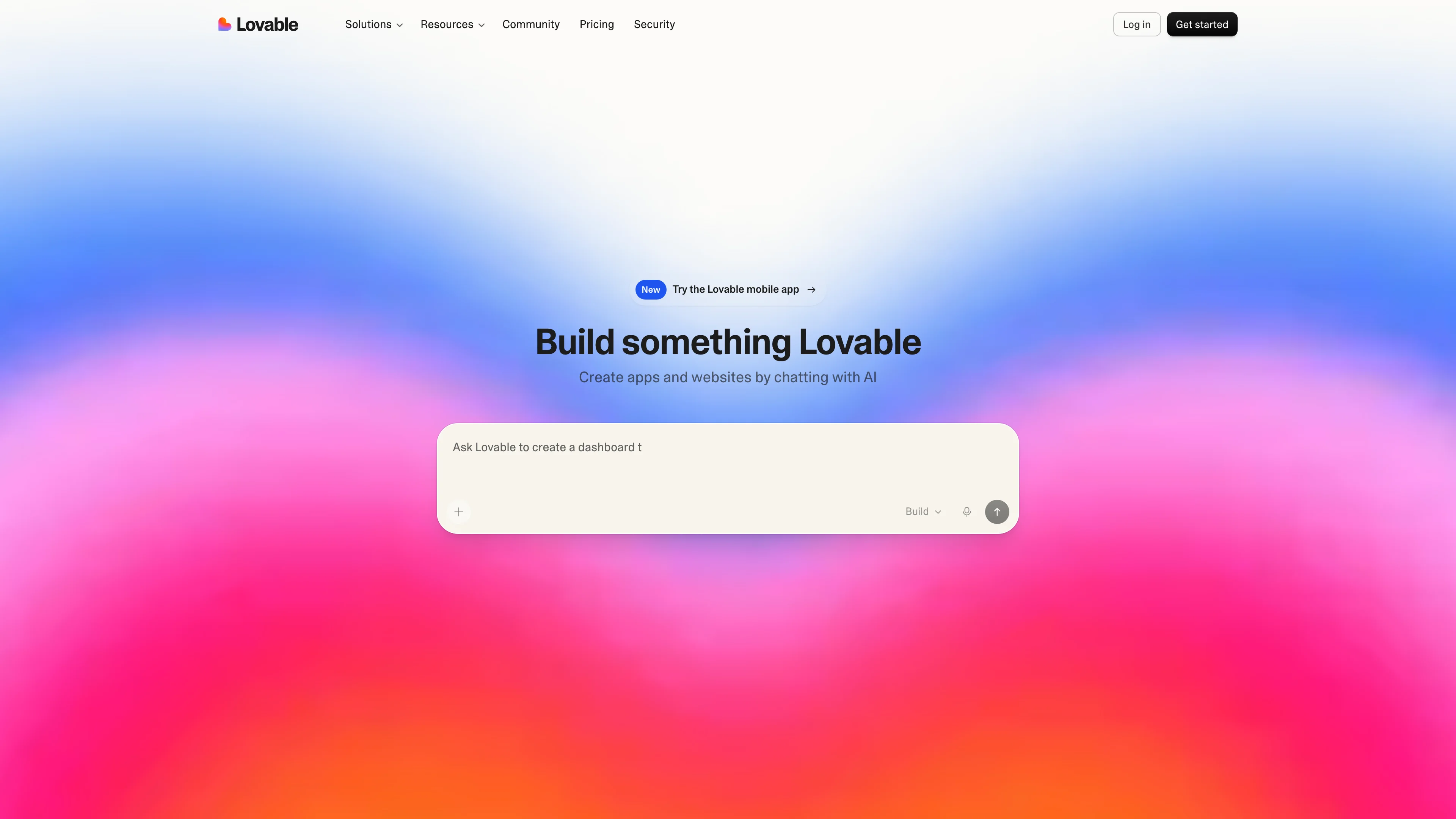
We are working a lot together. Jumper. He's basically building something with Bolt and these kind of developer apps. Yeah, we can, we can also do it. I mean we can go in there to lovable or bolt or whatever. We can do it, we can probably figure out some stuff there by, with some prompts. He's been a designer and developer and working with a team for, you know, so long, like over 10 years.
So for him it's a lot easier to figure out tweaks and also it's more patient like. That's also a key when it comes to working with these AI tools because a lot of people give up, they take the first output and then they might use it or might get frustrated depending on if you know, if it's bad or you know, good or bad.
Because that's a, that's a trait. Like you need to understand what is good or bad. And in your case, Mike, you know what is good or bad copy. I mean, you have done it for so long, so you're never gonna use AI to just come off with some SL that is garbage basically. And the same with a sign or something is not just gonna take a random image from chat GPT or whatever.
Or even Midjourney, like you mentioned LaShon, right. I mean, he can probably take, I mean, I'm also quite into cameras and stuff like that, but I know like the cinematic style and all these things, you need to be able to understand how this works and you can use AI for this, but the taste and style, that's a little bit hard to kind of just get, that's, that comes with practice actually.
And yeah, I really enjoy that. You, you shared this here. It's really important actually.
Mike Kim: Yeah. Yeah. So these last three are, are, are pretty straightforward, right? You study great work. One of the things that I do is I, I watch movies now, dude, that like were classics that I never got a chance to watch or even if I did, I rewatch them because I'm looking at it from a different point of view now.
So I've been going through like all these movies from the seventies and eighties and even the early nineties, like all these Martin Scorsese films that I never really watched or like Robert De Niro movies. And I'm just like, well, I've always watched this movie. I like these movies, but I've never really paid attention to it.
From an artistic standpoint, and I think art is something that we all have to pay attention to right as we move forward. So, studying great work, practicing subtrac subtraction. What I mean by that is just paying attention to what's not there, what's not being said. Uh, I kind of liken it to like a Michael Bay movie, right?
He did all those Transformers movies, and I, I remember feeling exhausted after watching it. I didn't actually understand. I love Transformers, those robots that change into cars and stuff like that, but I literally couldn't understand it 'cause it was so much information overload. It wasn't simple. And then later on, the newer movies dumbed it down and made it easier to understand.
1:00 AM I saying is, is that do the difficult work of making things simple. So if you practice subtraction, you study how people are saying more with less, you're gonna be in good shape. And then ask people whose taste you trust to critique your work, right? Get real feedback. So. Um, again, guys, these are all traits that I believe we should not just intentionally work on in our own lives, but these are all content ideas for you to showcase and stand out against the, what Nave just said, the AI slop.
Um, and so, uh, I just encourage you in this, um, one of the things, if it's really cool, I'll show you guys a little, uh, not a little. It's a big prompt that I'm using a lot in my writing projects. So, um, this is Claude. I, I essentially use Claude for writing. I have found it to be a stronger writer than ChatGPT.
So, uh, in Claude, I set up a project you guys can see. So I have these projects here. These are all different client projects or other things that I'm working on. And, uh, I like the user interface for it. So I'm gonna just take you into one of my projects here. This is for a book that I co-wrote with my friend, Andy Storch, called Own Your Brand, own Your Career.
And this book is coming out very soon, and we have all of these chats here and things like that. But the cool thing about Claude, and I know GPT does this now, but again, I find Claude to be a better writer. And I like it more for writing. You can add in all of these files in your project knowledge here.
It just hit this plus sign and you can upload from your device, and if you sync it, you can actually connect it to your Google Drive. And what that means is that if I have, again, like something like this, this Google Drive, uh, this Google document, Google Drive, I can just turn this on. This doesn't turn on right now because this is a shared project between Andy and I, but.
I can turn this on and it will bring the Google Doc into my project file. And so whenever I update anything on that Google Doc, it automa automatically updates in real time in my Claude project. So I use the Google Doc as a source document, make all my edits there, and then go into Claude and it pulls it straight from there.
You can also see here I've endorsed the PDF. I have our homepage for our like Andy's website, his LinkedIn bio, our landing pages, my voice guide. You could load this up and you can see I'm only using 4%. Uh, and the reason is I deleted all the individual chapters 'cause we actually finished the book, so that's why it looks a lot cleaner now.
But when we were working on this, this had transcripts from our podcasts. This had transcripts from my podcast. His podcast, his old book, my old book. All of that was in here. We cleaned it up and the cool thing here is that you can do this in GPT as well. Again, you could do that there, but I just. Find this to be a stronger writer.
This is the prompt, the project instructions. So please provide Claude with relevant instructions and information for chats within, own your brand, own your career. So this is the, this is a really, really long prompt here. Um, and I'm gonna walk you guys through, I'll just go back to the Google doc 'cause it'll be easier to read.
Uh, there, so lemme go back here. But here's the whole Claude prompt and Navid, you could see this thing is like six pages long, man.
Navid Moazzez: Yeah. I just wanted to jump in. I love that you're using projects and things like that this way. And also, I don't know if you've tested Claude's connectors, because I use Notion a lot in my business.
I also use Google Drive and all this. So basically what you can do, I'm sure you have probably tested this, you can basically connect this. It's, it's not as fancy and you don't need to know how MCPs and all this is. It's a connector basically, and it's a direct integration, basically just like you would connect your email provider or whatever.
So it's like really easy and before it wasn't there. You also have it in ChatGPT, a kind of similar one, but I feel Claude's is stronger, especially with their Notion connector. And I can just go in there. Gemini has something, have probably a better one with the Google products. So Gemini is actually coming up really strong, so I've tested that with YouTube and stuff like that.
But Claude, for writing and accessing Notion, like even for. Like I created like a speaker tracker just from like accessing this. So you can do a lot of stuff. Like you can access all your content, whether that's in Notion or Google Docs or something, just via Claude basically. And then Claude will access this and you can chat with it about it.
It's amazing.
Mike Kim: Yeah. it's amazing. Like the, everything is evolving, right? So this is what I'm using now and I might be using some within else in a month. Yeah. Right. Um, but the principles of this, like even this prompt, um, so you can, you guys can see here like, so I put this in code brackets and all that, but you don't need to name it.
I just do that so that I remember what prompt I put in. Right? You are literary mind and elite editor, 50 years of experience working with award-winning authors and so on and so forth. And what I would encourage everyone to do is to actually read. This entire prompt. 'cause I think it will help you frame your mind around how to write good prompts or project instructions so that you really cover all the bases.
So here's the context. I sit, I assist authors at every stage. I respect copyright laws, um, and so on and so forth. Okay? This project supports co-authors Mike Kim and Andy Storch for their book. Here's a little bit about Mike. Here's a little bit about Andy. And you can see author's info, 10 chapters. Here's a little bit of our layout.
So I've, I've thought about all of this before putting this into the book, uh, into the project. This mixed stage manuscript requires various levels of editorial attention and technical assessment. So what happens here with the assessment Navid, is that when I write a chapter and I throw it in there, and then I ask Claude.
Evaluate this chapter, assess this chapter, and it literally gives me like an out of 100 score, grammar, punctuation, and mechanics, 70 out of 100, and it tells me what to be. Updated style and consistencies. It'll even that out in proofread it. Clarity of flow of ideas. 85 out of 100, right? Structural integrity of arguments and narrative.
There are things that don't really transition well. You should consider adding a segue sentence here. This is all super, super helpful for me. So when I then I dial, I feel like Tony Stark talking to Claude. I'm like, okay, tell me what, and then I break down each of these things and I say, okay, what changes do I need here, and here for the grammar, punctuation, mechanics, and, oh, you need to do this, this, and this.
Okay? Make those changes and let me see it. So all of this's a quite long prompt. You guys can see here, we're still on the second page, but voice preservation. Using a numbered system. That's where it comes from. So it gives me technical corrections style, consistency issues, clarity, improvements, um, example, annotation.
So this is how I want it to talk to me. Consider adding a specific example here to illustrate this concept between these two paragraphs. Um, and so here's values from one of 100 in increments, right? Okay. Um, the, I identify this is what the prompt identifies, and then three levels of editorial feedback, annotations, chapter summaries, comprehensive assessment.
This is one thing that I just like to do as the, as the copywriter, right? I mean, so elite copywriting principles, Ogilvy, Eugene Schwartz, even Joanna Weeby, uh, from, what is it? Copy Hackers, right? I just like her style, so I'm just pulling them in. My editorial voice is always encouraging, but honest, specific with examples rather than vague solution oriented.
Um, and you can go all the way down the list here. So what I would encourage you guys to do is just take this, you can have it, throw it into one of your projects. But here's the other cool thing, Mike. I'm not really writing a book right now, um, would be useful for me. How do, but I write a lot of email.
Take this prompt, throw it into chat GPT and say, I want you to rewrite this prompt for my business and just tell it a little bit about your business and it will redo this prompt for you and it will update it. So it's like the gift that keeps on giving in that you can just use this for all these other projects.
So I've, I've used this same prompt project instruction for other client projects, but what I have to update is this part. Who the author is, what the goal of the book is, and so on and so forth. Just use AI to inform AI of itself, but have a strong template so you guys can use this as a template. So, um, yeah, so when I have that and go back into Claude, uh, I'm not gonna take, take you guys into all these individual chats, but when you see it's like literally my app activated now it's, I'm using it for all of these things, book front matter, right?
Writing style, revision strategy, all of these things, helping me get really good feedback on my book a lot faster. And of course, just to kind of tie a bow on all this, a lot of these traits were from that actual book that I just shared with you. So this is why some of this content has been curated already.
But we wrote a chapter on ai. And this is the stuff that's in the book. Well, AI helped me evaluate my writing, helped me clean it up, improve it, and I still had to make human decisions. Like, no, the AI isn't really trying to understand what I'm saying here. I need to go back in and rewrite some of this, uh, by myself.
But I would say, man, this has saved me hours and hours of just this book project. And again, you guys can use this in your email marketing, your YouTube video scripts in your short form, video scripts, anything along those lines. So, yeah, so that, that's one practical way to use AI and amplify your brand without losing your authenticity.
I'm still hands in the, in the mud when it comes to the writing, but this is one way I use it.
Navid Moazzez: No, this is, this is awesome. And I think, uh, yeah, taking a prompt like this, or instructions basically, and then you can turn it into anything. That's the, that's the beauty of ai. You can use ChatGPT or Claude to do this.
Uh, ChatGPT is quite good, but also Claude can help with this. And then you can tell it like now. Uh, you can also share examples from your email marketing actually, and add it there. You, you mentioned some famous copywriters. You can do the same thing. Maybe you like some LinkedIn posts or some emails or newsletters that you read or follow.
Then you can actually add that in there and it will be stronger. Or even as example, you can actually upload information, which you showed, like you showed in the projects. There. You can upload a lot of stuff. And, uh, I think, uh, right here, yeah, yeah. There, you see it on the, on the screen. So you can upload files, basically, or, or text actually, and you can upload quite a lot.
The only thing I've found, I don't know if you've seen this, Mike, with Claude, it gets sometimes slow, uh, at least when I'm using the desktop app, it's kind of like lagging a lot. When you're adding a lot into a, I hope they fix this. That's the only complaint. And also that you run out of time sometimes, or the, yeah, basically it's, you have like five hours on the pro plan.
You basically need pro if you wanna use CLO to its extreme. I think that's, the produce are only available in Pro two, it's like 20 bucks a month, similar to ChatGPT BT Plus. Uh, so I would highly recommend, I mean, at least one of them, but I, I, I stay, I've subscribed with like dozens of tools because I'm sewing the weeds to use different things and test it and stuff like that.
But for sure Claude and ChatGPT, I use it daily basically. So I would definitely, yeah, definitely encourage the pro plants. Yeah. Yeah,
Mike Kim: yeah, yeah, absolutely. It's funny because like after all this AI crisis. It's, it's fascinating. More people were buying my copywriting templates and I noticed the sales on my website for like my copywriting templates.
I have like swipe files for sale. They were cheap or whatever. And I'm like, oh, I know what's happening. Some really smart people are taking my swipe files and uploading it into their ai. I'm flattered, right? They're like, oh, I wanna see some of the pages that Mike's written for his clients. And I've seen those sales 'cause it's like 30 bucks or whatever.
And I'm like, yeah, that's actually pretty smart. Like if they've been listening to my podcast, they like my writing style. Let me go in and buy this guy swipe files and load it into my AI instead of like, write, write like this. Use this as a template. And so that's another, that's another way around it.
That's another way to use ai. I just think of it like a second brain and to me AI is a much faster informational. Retrieval system. You know, I was an eighties kid growing up, so when I went to the library, we had to use those card catalogs. Maybe like you pull out a card catalog and you like look up the card and you find the book.
AI is like that on steroids, just lightning fast with more capacity. And so all of the lead magnets you've ever downloaded in your life that you've never done anything with, load 'em into, uh, a project and call it lead magnets or something like that. And just you use the AI to pull all the information rather than reading it yourself.
You'll probably make use of all those free resources you've downloaded over the years. So there's so many different ways that you can use that. Yeah.
Navid Moazzez: Such a good tip. I found a tool, I don't know if you've heard of it, called Recall, and basically there you cannot upload YouTube videos or, I mean, basically it's organizing your knowledge automatically.
Basically. It's a little bit, like Notebook LM I'm sure a lot of you might have heard of it from Google. You can then, you know, chat with your knowledge and all this, but they have some limits sometimes and what you can upload. So I decide, I started using Recall basically to just when I have a link to a YouTube video or that can be a book or anything.
And then I just, uh, share it there and then I can chat with information basically. So it's quite neat. It's a very simple tool. No, it's, it's, it does quite a lot. It's quite affordable and yeah, just kind of stays organized there. And I think that's, yeah, really key when you have a lot of PDFs or something, you can just upload it and you can, if you have a specific project though, like you wanted to use it, I think Claude projects or maybe in ChatGPT, you can add it there as a knowledge.
Basically. I did the same. I started to create a lot of videos and, uh, images like with ai and then I saw that these, uh, tools, they have basically a prompt guide on their websites and I said, okay, what can I do with this? Basically I created a custom GPT with all this information, took it into a Google Doc, exported as a PDF, basically all this stuff, like for Veo 3 and for Midjourney and stuff like that.
It was amazing. So you, they actually have a lot of knowledge on their site. Most people never read that obviously. But it's quite useful actually. They have like full prompt guides for a lot of stuff that you can use for free, but then you have to know how to use it as well. So how to get the most out of it.
And that's what you can do with projects and GPTs and stuff like that to just kind of take the things to another level a little bit. I don't know if you have experimented a little bit with this stuff as well. I mean, I just geek out on this sometimes. It's very useful and it saves a lot of time.
Mike Kim: Yeah, I mean I'm, I'm, I'm playing around with it a lot more now 'cause I just was super busy, obviously writing this book and everything like that. And I think that's, that's one of the things that I would say there too is like the simpler your tools, the more likely you're going to use them. So GPT and Claw are the tools that I use all the time, but I know that there are other ways to create different workflows.
For example, going back to kind of what I was saying earlier about. Just, just being, uh, like just embodying some of these traits or your storytelling. I have so many Zoom calls that I've done over the years, even from years ago, that are archived in my Dropbox that I can now have transcripts to and throw into a project and clawed or whatnot.
And there are probably so many brilliant things that have been shared on those Mastermind calls from other members or myself or whatever. And those are the things that I should be sharing in my emails. And those are the stories that I can showcase now much faster because let's be honest, I'm not gonna go to a Mastermind Zoom recording that I did three years ago and try to find that one thing that I said.
If I can connect it to my Google Drive and Dr. Bring it into a Claude project and say, Hey, scan these files, or scan these Google Drive, uh, documents. And pull some of the, the, the best learnings that I can put into an email newsletter and cite the date and the source so that I, I can go back and double check.
Those are the stories that we should be sharing in our marketing that's authentic. That's real. 'cause that call happened rather than trying to come up with something new and sitting there with writer's block, go back into the art of your client history and what are the book recommendations that your mastermind share with each other three years ago?
Why can't you write a blog post about that? It's so much easier now that information retrieval is so fast. So I feel like honestly, I probably don't have to do any more storytelling. I don't need to live new stories. I probably have years and years worth of stories that I can just use AI to bring back from years ago and make new again and fresh again.
Um, I've what, almost 400 podcast episodes. Like there's stuff in there that I have absolutely forgotten. Why don't I set up a workflow for AI to access those transcripts and then pull them in. So just, just easier ways to tell authentic stories about you and your audience back to your growing audience.
This is what AI can help us do. Yeah, and it's gonna, it's gonna be, I feel I'm more
Navid Moazzez: organized, man. I feel I'm more organized when it comes to things now than I was before, because I want AI to basically access this information. That's the key. And if I, if I'm not organized with my stuff, it will not be able to do that very easy.
So I think that's something I've been better at with AI and then basically doing things faster. But something else, I think you have a lot of this too, like case studies basically, and telling stories there again, we come back to storytelling like story cells, right? And not just your own story, but also your customers and clients.
Your students. Basically, if they have achieved success with, like, in my case, maybe Virtual Summit Mastery or some of our AI products now, whatever we coming out with, like, then we can tell these stories and it's a lot easier to tell the stories in different ways. Using ai. That was like pretty, was quite a struggle to be honest.
I didn't really enjoy to like, go through all these transcripts and all these videos and stuff like that. That was quite boring. But now with ai you don't have to and that's great. So I don't know if you, you're experimenting with similar things. I mean, you must have a lot of videos and case studies and stuff like that, Mike, that you can just go through like, uh, from, from the past basically.
Mike Kim: Yeah, I mean, even this writing project, it was the same thing, right? So I had a co co-author, he's got two podcasts and he's, he had a book. I'm like, I'm not gonna listen to all, all of your podcasts. I'm not gonna read your entire book all over again before we start, um, I'm gonna look for top of the wave stuff.
And yeah, he told me kind of the record, here's, here's some couple podcasts that I really like over the years. Here's some stuff that I think we can use. But man, I, I was on a ghostwriting project like three years ago, and this is before any of the AI came out. So I just, I just had to raw dog it, and I ca it's kind of crazy that like, this is how things used to be, but that it was a different client.
But she had, I think something like 150 podcast episodes. So you're looking at at least 75 hours worth of content if every episode's a half hour, 75 hours of content. On our podcast, and I was like, I don't have time to, to listen through all of this. Um, there's interviews with people. I don't know if they're gonna be relevant or not.
So my work around at the time was to, uh, uh, at the time, Stu McLaren had a software out called Searchie, and I think it's now Membership.io. And I, I subscribed to Searchie, not to use it for my audience, but to connect her podcast through it, to it, because Searchie gave me transcripts. And I'll go looking at manually go look at the titles of the podcast episodes and download the transcripts that I wanted, and then have to read through them.
Dude, this took hours. My actual writing time didn't start until hours and hours and hours of work doing the research. AI now can, if I were to do that same project again, probably save me 50 to 75 hours just of doing research so I could spend more time on the books. I'll still have to go back and I ask it to cite sources.
'cause AI will lie to you, it will hallucinate. So even in those Claude projects, when it tells me something, I'm like, I'm not sure about that. Tell me where you found that. And it'll actually tell me, oh, on page six of the PDF of this, that's where I found it. I was like, oh, okay. So that information retrieval, um, is so much faster.
And I agree with you what you said about just being more organized. Like it's still a machine, it's still technology. You can't read my mind. So I've gotta give it, you know, the organized files and thoughts and uh, so, but that's, it saves a ton of time.
Navid Moazzez: Anything, anything else in terms of the tools? You mentioned clo and I think you stay pretty lean.
That's kind of the my, like, when I see kind of your workflow, it's pretty lean. You, you do a lot of writing obviously in your business, but do you use any other AI tools that the audience could maybe check out?
Mike Kim: Um, right now I'm playing around a little bit more with Midjourney and the image stuff, not because I'm a designer, but I just wanna see what's possible.
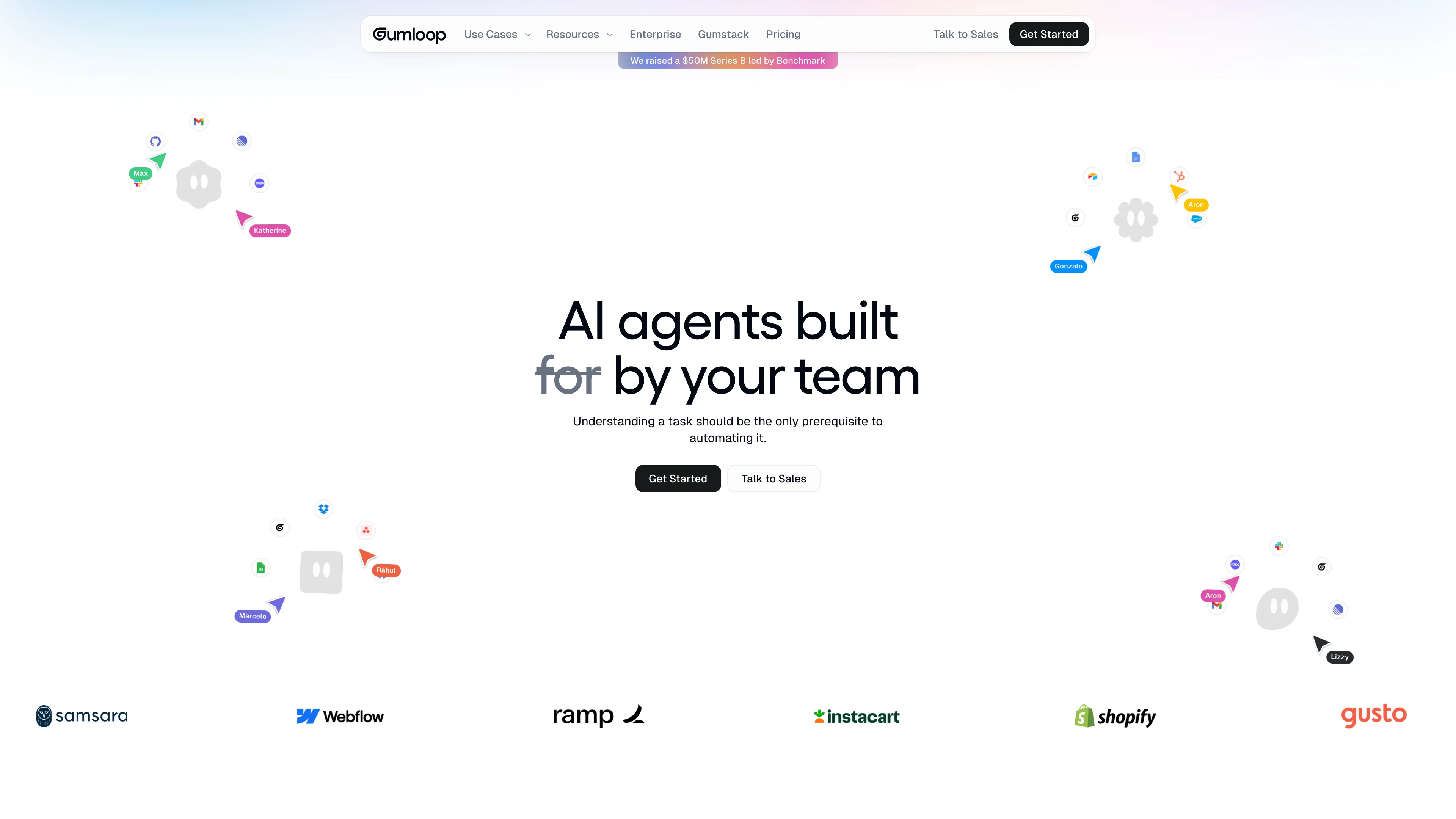
Um, you mentioned you're a designer and like you guys kind, kind of growing together and that's sort of the place that I'm at. I am playing around a little bit more with uh, Gumloop and uh, I have a friend named Sam and he really recommended I play around with that. Um, he really actually more recommended more get into any end so I can set up these different workflows.
One of the other things though is that. I've noticed Navid, that like if I, if I outsource too much of my thinking and my workflow processes to ai, it makes me a little bit more sloppy. So one thing I have in, it's very similar to what I shared in the Claude prompter. I have uh uh, A GPT Project ChatGPT project, and I call it chief of Staff.
And it has all these protocols in it in terms of like how I want it to read through my calendar and my to-do list and all these things. Because when I wake up in the morning, I don't know if this is the way that you are, some of the rest of you are way too much stuff lives in my head. I don't like to necessarily write it all out.
But what I've noticed is that like when it lives in my head, I can't unplug. So I will go to my chief of staff app. I will talk to it and I'll be like, here's what's on my calendar today and here's everything that's on my, in my head, and I'll talk to it. I'll use that voice talk feature. I don't write into it just so it can be stream of consciousness and it sort of lays it out.
Um, but then what I've found is that I then have to update that to like my to-do list. I use, uh, an app there, uh, to-do list and, um, it's not synced. So that's what I'm looking at. Gum loop or N eight N to integrate. So I'm not there yet, but one of, um, one of my friends, Billy Sticker, the way he uses ai, I like how he really put it in.
This is what really challenged me to go down that path. He said, you should be looking at AI in four buckets of your business, marketing, sales, admin, and operations. And I realized I was only using AI in marketing for the writing and the stuff that I shared with you today. And I realized I need to use it more in the operation in the.
That's what I'm looking at. I start playing around with this chief of staff project in um, ChatGPT and singing it to my to-do list and my calendar. So I'm not there yet, but that's what I'm playing around with more and that's really what I wanna focus on in the next 30 days to get the productivity side.
I love that.
Navid Moazzez: Anytime we have full session, you're gonna check this out in the summit as well. With Mitch. It's not exactly about op operational side, it's more about the content, how you can automate a lot of stuff with a 10 and Airtable, it's uh, it's pretty sweet, honestly, what you can do. And I think a lot of stuff is just kind of evolving.
You have to kind of stay on the cutting edge a little bit. That's why we have sessions like this where you can kind of come in and. And learn, but there's so many AI tools coming out every single day. So like really like seeing kind of, you have your course tool stack and you are getting good at using these tools, actually using them, not going into ChatGPT BT and asking for your shopping list tool.
You know, people, people do that, man. Like you can do it, you can, you can use it as a life coach and all this kind of stuff. You can do that like for, for certain things, but you can do it more advanced than just asking what you should buy for to, for groceries and stuff. So basically adding custom instructions in like, not like set up the, set up the stuff properly.
I don't know, Mike, if you do that beyond. Instructions in your Claude, you have another place to add instructions too. Basically. I don't know if you have set it up. I mean, it's not always needed, but, uh, you can do it. So Claude actually knows about you when you're coming into it. Like they will know, for example, I'm the founder of Creator School.
My backstory a little bit, kind of how I like to write all this kind of stuff, it knows instantly. And then what you're adding to a project or a GPT that's extra, basically. That's how I like to use this. Yeah, and I'm, I'm sure we have like, yeah, some, some session where I will show that as well, uh, during this series.
But, uh, I don't know if you do do that and then we can show that as like kind of you Well, how you have set that up.
Mike Kim: Yeah. So even I have like this brand voice guide and stuff like that in here, right? And so like even all this, this is just the way that I write. So this is helpful. And you can see here, we put in my framework for my book.
And so all of these things like, yeah, I used AI to, um, like to, to write this up. And this is the stuff that it knows about me in these different projects. Now chat, GPT kind of goes, it jumps between chats, so it's, no, it knows a little bit about me, but just this having memory. Right. CLA has some memory
Navid Moazzez: now.
It is not exactly, yeah. Claude can reference actually chats now, which is quite new at a time. We are recording this. So before it couldn't do that. It, you just have to give all the contests again. But I feel it's a little bit buggy. It's not always actually pulling from the correct thing. So I'm still testing this a lot because I, I ran out of, you know, context window, whatever, and then I had to start over obviously.
And uh, that kind of sucks. And then I had to like start over with the conversation and it missed some points. Although it could retrieve it, it was not perfect and I had to like do a lot of iterations with it. But we are coming there, we are getting there. I think it's gonna get really good eventually.
All these things. So you, it's gonna, I mean, my productivity has skyrocketed with this. I can get so much more done.
Mike Kim: Yeah. Yeah. You can even see here, I said this actually on our call, better to be paid for your brains than your hands. And there it is in my project knowledge. So, yeah. Yes. Good. Um, so yeah, so I mean, what I would also say here, Navid is that like, um, you know, I, I just had a ton of conversations with other colleagues of ours, like in the a on, on AI and what they're seeing.
And I was actually really optimistic after I had those conversations. I did a bunch of interviews and things like that, and across the board everyone was seeing live events go up in their industries. I interviewed people from a lot of different industries. They're said live events are up. It's 'cause people want even more that human to human connection.
Um, what I shared before about the emotional intelligence or energy and all that stuff, um, people are becoming more aware of how important that is. I think that's what they're looking for when they're going to live events. I want to be around winning people. I want to be people around people that are gonna move me forward and elevate me.
And so, um, I want to be around good energy. Uh, that's really, really important. Um, personally, uh, I, I feel that like what's happening in that industry is that it's gonna reward those who have depth of knowledge, not just surface waves. So that ties into what I said about taste and discernment and really knowing your stuff.
But I was really encouraged. I actually look at it now, like, Hey, ai, thank you. For allowing people who don't really know what they're doing to create slop, it'll make my work stand out even more. I love live events. I enjoy building communities. It's what I've done my whole career. And if anything, it's gonna drive people even more to seek out those things.
So wherever you are on this spectrum, I think it's all about reframing what's possible. If I can take a lot of this busy work and this grunt work off my plate and I can be more productive and I can be more efficient and create more outputs, then I'm winning across the board. Um, so I have actually a pretty optimistic viewpoint.
About AI and what it's gonna allow for us as many of us who are solopreneurs or entrepreneurs, who you're running businesses, whatever, um, in bigger teams. I'm optimistic about what it's gonna do for us. And I think some of the pushback is now starting to come out. I know that there's a big study out that, that just came out a week and a half ago that said like something like over 90% of companies that have tried to implement AI have failed to do so.
But that's at a bigger level for us who are like boots on the ground working ourselves. It's, it's, it's skyrocketing. It's amplifying everything. So, um, stay human. Do the things here. Uh, give, give thought to some of the things I shared, but use it also in the way to take a lot of that busy work off. And I think you're be, be in really good shape.
Navid Moazzez: Yeah, I, I, I wanted to touch on a few things. We mentioned that in the pre-chat, I almost forgot about it, but that's, uh, you hosted a very popular virtual event, um, about AI as, as well, um, more on the personal branding side, but I wanted to know what your speakers shared on that summit. If you can share some insights on what you learned from the speakers you featured.
You had some great names on there as well. And yeah, congrats on the success on the summit too.
Mike Kim: Yeah, yeah. Thank you. Um, yeah, it was, it was, I shared some of this here, but like what, what I saw were like, some really, really common threads were that, um, if anything we need to focus on the things that are gonna make us more human.
It's just a different way of looking at it. So what I was trying to share here with these seven points wasn't just that this is stuff that you need to embody. It's stuff that you can share content around. How you're growing in emotional intelligence, how you're growing in critical thinking, how you're growing in your storytelling.
Um, one of my speakers, Lauren Johnson, she was a, she's a mental performance coach. She worked with the New York Yankees, US Women's, uh, national Soccer team. She does a lot of corporate speaking consulting. And I was, my, my question to be, to almost every person I interviewed was, what are you seeing in your industry and what are the, you know, what's the one big thing that you would say that we need to develop in what skill or trait do we need to amplify or develop in?
So, Lauren shared with me that depth of knowledge. I was like, what's the one thing that coaches and speakers and trainers are gonna have to really, really double down on in the next couple years? And she's depth of knowledge. And that comes back down to taste and discernment. It comes down to critical thinking, wisdom, how to apply what you know.
AI still doesn't know that. It doesn't know that, right? So depth of knowledge. Um, JJ Virgin, who is I think J'S in her sixties, uh, she's one of the leading health influencers and has been for a really long time. She says, I'm just using AI to clone myself because I have all the institutional knowledge. She was looking at this from a team standpoint, like, they don't have to come to me anymore to ask me about this particular supplement or nutritional line.
They've uploaded everything into the clone and her marketers can get all the information from that instead of calling her. Um, another piece I saw, uh, both jj uh, Ryan Leveque, Chris Ducker, we were talking about books. Books aren't going anywhere. People can upload a book into A PDF and upload it into ai.
My book's up there somewhere. I mean, when I'd randomly type in chat, GPT, Mike Kim, it knows who I am. It doesn't know I'm asking it, but it knows my stuff. But books are still the most distilled, clarified, thinking presumably, of a thought leader. So if you can talk to my AI bot, yeah, that's one thing. But the returns are only as good as the prompts that you give it and aren't good at prompting.
So rather than just talking to the AI, people are gonna be more driven to get my book because they want the best version of my thinking. That's what a book represents. And if you look at the stats, books are up, book sales are up, audiobook sales are up. Barnes and Noble has, I think, has opened something like 16 new stores in the United States in the last 18 months.
So if anything, AI is making it so noisy that people want silence and focus and it's gonna drive people back to live events and to books. So that's all really, really good news. So those are just some of the, the, I come bearing good news. You know, I come with gifts of good news for all of us use ai, but the world is not burning down, at least in our markets.
It's not burning down. People want to be with one another. Yeah.
Navid Moazzez: Such, such good advice. I use AI a lot to ex extract what I learned basically and upload, let's say A PDF or EPUB or whatever, Kindle to, to ElevenReader and stuff like that.
And I can listen to the full book or whatever, like, 'cause I've traveled so much, I don't have physical books too much. And I can also do that with the AI in Claude if I use it for a project or something. I think that's really to make you smarter as well. I think a lot of people get dumber with AI, as you mentioned, a little bit like you, you get like a little slow, like when you use it too much, but like, if you're actually using it to learn, I think that's very, very powerful actually.
And that's how one of my biggest use cases with ai, like to learn topics and then break it down. Even creating prompts. If I, let's say, read your book, Mike, I could actually extract prompts based on what you're teaching and then teach myself, or maybe I wanted to explain it in a way to my audience, your concepts.
Then I can do it that way. I think that's, that's a really cool way of using ai.
Mike Kim: Yeah, I love that. I love that. And, and the, and the other real reality too is that I've seen this in the communities that I run and we've talked about ai, I've taught them some of the basics on ai. And you would think that. The, there would be a proportional increase in their content creation and how much they're putting out there.
And there isn't. Everyone thinks that their content creation is because they're not a good writer or they're not, you know, they don't have good scripts or whatever. But AI can do all that. They, it's more a psycho psychological, they just can't hit publish. They still have that hesitation of putting things out in the world.
So if you're one of these people that think that there's gonna be a huge influx of more and more content, and your competition is gonna overtake you, the reality is that the people who are creating more content are the ones who are already creating content. So it's just, it's just noisier. So it's not like everybody, you know, is posting more on Instagram or LinkedIn or writing more books.
That's not what I've seen. I've, I've, I'm hands in. Every day with these people for the last two years. And I'm not seeing a proportional increase. So if anything, if you are a creator and you've already been creating, you're going to stand out even more. So I would just encourage you guys to, to, to reframe it.
Um, it's easy to see all the doom and gloom online, but, um, use it, you know, in, in, in that way. There's a window here to stand out.
Navid Moazzez: Love this. And do you have any final words of wisdom or anything you wanted me to ask or anything we didn't touch upon that you wanted to share here before we wrap up the session?
Mike?
Mike Kim: Yeah, I think the only thing I would add is it's, it's just. Kind of in the same vein of what I've been sharing here at the end is that the only thing that you can control is your, is your frame of mind, like how you're framing this. If you're seeing AI as like a huge existential threat and it's gonna come take your, take your job or take your clients or whatnot, then you're gonna act that way.
But if you can see it like an opportunity, like this is a very incredible technology. When I get away from all of the nuts and bolts of it, I sit here and I think about this thing has access to my digital hard drive, my, my digital brain. It, I can talk to it. I've actually felt like sometimes it's slow and I actually can't wait till they create an interface like Jarvis in Ironman from the Marvel movies where I'm not having to type things in or like I can just sit in my car and just be like, Hey, I got this, this, this on my mind, look through my calendar, blah, blah, blah.
That, that would be incredible. And however we adapt to bringing value to the world, use AI to help yourself bring more value to the world. If you bring value to the world, you'll always be okay. And that, that's what I would say here. AI can make you more valuable, then you're going to be fine. You're gonna win.
You're gonna succeed. You're gonna thrive. That's what I would say.
Navid Moazzez: A hundred percent. And where can people connect more with you? Where do you want, uh, people to? Yeah. Check everything out you have going on, Mike.
Mike Kim: MikeKim.com or on Instagram at Mike Kim is where I usually live on most places. So check us out there and if you are curious about personal branding, especially with corporate professionals, check out my new book with my buddy Andy on your brand, on your career.
Uh, it'll be out now, so yeah, I can check that out. That's the latest
Navid Moazzez: project. Yeah, we'll link all the resources up, Mike's, uh, details on social media and stuff like that. And if you have any takeaways from this session, be sure to drop it below in the comments and I'll talk to you guys very soon.
Ciao for now. Bye.