How to build a powerful AI content system that sells for you
Navid Moazzez: In this session, we will cover how to build a powerful AI content system that sell for you. And I'm here with Jackson Yew, who is the founder of the Brand Funnels, a design agency focused on direct response and conversion, and they work with international coaches, entrepreneurs, SaaS founders, to launch their personal brand products and programs.
And, uh, we, we spoke a little bit before the session started, so I know he has a lot of good stuff prepared for you here. So I'm gonna bring it over to him to kind of introduce himself a little bit. So, Warren, welcome Jackson.
Jackson Yew: Right. So I'm not sure how you, how I mean when to, um, introduce myself, but, uh, yeah, so I've been, I, I think I met you like five, seven years ago.
But anyway, long story short, I'm, I run, I used to run a funnel agency and um, and then after that I got into the software business to build something of my own. And then I exited that business for eight figures, and then I went back into. Another software business, uh, a white label, high level. And then from there on was I kind of like restarted my, um, whole agency again because I, I still love the whole agency game.
I like talking to clients, uh, solving problems. But along the way, um, the whole transition is really from like before ai. So we had to do everything ourself, brainstorming, writing the content, um, build a whole brand without ai. So, and when AI come, I thought like, Hey, this is a good opportunity for me to publish more instead of more, instead of like, based on what I, when I feel like it now I can do it in a more consistent way.
So I developed, uh, my own system to really consistently churn out, um, powerful content that brings me leads and clients and yeah. So that's, that's what we're gonna talk about content with ai.
Navid Moazzez: Yeah, absolutely. So what, what are pe if people stick around until the end here, what are people going to walk away with?
What can they expect if they stick around here in this session? Yeah,
Jackson Yew: so you're gonna learn, um, what I call a profit content machine. So basically a content that helps you make money because, um, we're gonna talk about why virality is never what, uh, people like me look for. Although I do like followers, but at the same time, I like money more than followers and I'm pretty sure I make more money than a lot of people with a lot of followers.
But you may wanna cut that out. But yeah, so this is what I'm gonna learn at the session.
Navid Moazzez: Awesome. Yeah, let, let's kick this off. I have the slide up here, the profit content Machine workshop. I mean, I introduced it here. It's kind of how to build this AI content system that sell for you. And I know you're really, really good at this stuff.
You speak a lot on this topic and things like that. So yeah, let's kick it off here, uh, with this presentation and I'll come in with some questions as we go.
Jackson Yew: Okay. Right. So, um, yeah, lemme just, so yeah, at the end of this workshop we're gonna have a, like a really clear roadmap of how to create at least one month's worth or three months worth of like what we call a pre-sold or profit content.
So I'll show you the exact process to, to build that, uh, and how I build it using AI and removing all your internal objections, your external objections. And the only thing that will stop you is that you don't want to do it, that's all. So, um, quick backstory is, um, I'm, I'm used, I used to be a mechanical engineer, so while people know me, funnel designer, um, I started off as a mechanical engineer, but, um, later on pivoted into the whole internet marketing industry.
So, and I mentioned just now that, um, I exited my software business because I was too much stress and I just became a father. So, and, um, decided to restart the agency business. And the funny thing is, like I, I used to build my. Profile my brand on Facebook. And when I quit my software business and come back into like the online world again, um, I decided to experiment on a brand new platform.
So LinkedIn, because I want to, um, prove to myself that my same method can be used anywhere, um, regardless of platform. So, and I went into LinkedIn with zero followers and within a week, uh, actually within two to three weeks time, I hit, uh, six figure purely from like leads and clients from LinkedIn. So, and, um, my charge easily four or five figures for each of my services.
So, yeah. And, um, long story short, whatever worked for me before AI worked for me even better with ai. And that's what we're gonna talk about today. So, um, and here's just a quick. Some photos of my, whatever it is. Okay. And, uh, yeah, we'll managed to get like 5 million, um, just views alone, uh, on LinkedIn within a year.
And, um, not to mention followers, where we hit like 30, I'm at like 35,000 followers or within a year. So to sum it up, um, I'm your guru, at least for the whole profit content, um, thing with ai. So, um, how we're gonna do this, I'm gonna walk through a little bit of backstory about like, um, most people's, like the challenges in terms of like the traffic, uh, and why content.
So then we're gonna walk you through my three step process of like how this whole profit content machine works. So, um, why do you want to create content and why you should create content? So, long story short, um, for whatever funnel, whatever product, whatever service that you wanna sell online, there's only two ways you can clients.
One is inbound, one is outbound. So. Outbound basically means that you chase after clients. But, uh, inbound is my favorite way, which is people actually come to you. So imagine outbound, which you're doing like call outreach, call dm, call email. So does it work? I would say yes. Um, good. I think is just up to your, your preference, right?
So, but inbound is basically just a track. And this is what I love most because, um, instead of convincing, people are already pre-sold on wanting to work with you. So instead of competing on price, now they come to you. They know that you can solve their problem, they're okay to pay within their budget, uh, and they're okay to negotiate with you.
So now you're not just chasing after them. Now they, they are chasing after you and ask you how I can work with you. So there's no right or wrong personally. Um, I'm just a lazy person. I like, I, I don't like to chase after people. I like people to chase after me. So especially going through like some of my background story.
So two ways to drive traffic, right? In a crowded marketplace, we'll say fitting in is failing. So in a busy marketplace, like you literally need to stand out. So, and um, you either pay or you don't pay. So if you do have the money to pay for traffic, that means like Google ads, Facebook ads, and all those kind of things.
Or you can do it with organic traffic, which means you don't pay, but you pay with time. So I've done both. So I think I'm pretty qualified to explain the pros and cons, and I've done like seven, eight figures with both, um, separately. Um, so for paid traffic, you pay with money and a misconception is like you're paying money for ads that will, that.
You, presumably you wanna solve all the problem and then you wanna buy back time, which is why you run ads for the faster result. The problem is, what the other paid ads guru don't tell you when you're starting is that there are a hundred or maybe thousands different variables in running pay ads to acquire clients.
So your headline, your offer, your landing page, your targeting, your budget, your creatives with or without ai, it's the same. Like there's a lot of nuances that you have to tweak and, uh, you have to tweak until you actually hit, uh, profitable ROI or ROAS, roas s whereas with organic traffic, you literally just spend some time, um, and then the good thing is it, it compounds.
So, but before ai, we used to have to like, do everything ourselves and it really consumes a lot of time. So, and, and, and I'd say this from experience, but with ai, we. What we call a batch produce. And that's literally how you can save time, create good content that compounds, uh, and leverage, um, the platform and your brand.
And essentially is the effort just gets easier and easier as time goes. So ideal versus reality, um, in the whole make money online space. So in the ideal world, we want to convert everybody. So wouldn't we be perfect if we can just have a singular machine, what would they call the one funnel away? And then you can run traffic to it and it just converts a hundred percent of the visitors into your buyers.
That's what we all want. That's what a lot of people, um, of people, uh, presumably assume that they can achieve it. But sorry to break it to you, but that's never going to happen because in reality only. Two to 3% is going to buy at any one time, regardless of what kind of mechanism, what kind of funnel that you are using.
And the rest of the 97% is essentially they are, they could be on the research mode, they could be, um, they might not be not ready. They don't even know they have a problem. So, and if you just leave your whole funnel and process at that, that means you are missing out a lot of money because people don't buy linearly.
They buy through different chaotic process, multiple different researchers, um, and they have their life. So, uh, and we're in the trust recession. So skepticism is what we call at an all time high. So attention is now a commodity, so, which also means that it's much more expensive to get their attention now compared to before, especially with ai.
So information, everything is easily accessible. Your prospects are also way more sophisticated than before. Now they have more options. They are doing research for everything that they want to buy. They do not trust you, which is why they're losing. You are actually losing money by forcing your prospect through a long sales funnel.
Um, or like we call the traditional sales funnel process. And if you're here, think back on every like coach or service provider that you have hired for a pretty much like high ticket, like 5,000, 10,000 above. You probably don't choose someone based on a random social media posts. You did your research and your prospects are no different.
So this is something I got from um, SBRI Suby, um, which is what he called the Pyramid of Readiness. And I think this is a very relevant concept that everyone. Learn, which is like 3% people is ready to buy now, but the rest of the people are not, like 17% are probably still in the information gathering mode.
20% of the people are problem aware and the rest of them might not even know they have a problem. So it's content is an, is part of the process to build this loop, to build this awareness and really just keep educating them and nurturing them so that whenever they are ready, they come back to you. For those people who aren't ready to buy in a when, when they first meet you.
So most. Common content challenges, uh, especially when we talk about content is that people try to go viral or they try like click bait for engagement or the chase of the vanity metrics. And personally like me, uh, what used to be my problem is that I don't know what to write. I didn't know how to write, so I always start with a blank sheet of paper and then I'll just sit there for like 30 minutes.
So never a good thing. Um, and why we say like virality or followers won't help you make a lot of money is because like there's a case study where. It was the famous influencers with millions of followers, and when she decided to monetize her attention and actually launch a clothing brand, she sold less than a hundred T-shirts.
So, and, and I think that's a big, really deep check for anyone who's looking to make money online that followers usually don't really mean much, especially nowadays. You can dance or you can show a lot of skin, uh, and get a lot of followers, but these people won't pay you money most of the time. So, quick recap, virality is, doesn't close to money and Yeah.
So algorithm right now, um, in terms of platform, we wanna understand like what makes a content good and what makes a content go viral or like, uh, and. Honestly, it's more like, uh, your dwell timeline. How, how people interact and engage with your contact. How long does people stay or read or click, or your content is something that the algorithm uses to determine whether your content is good or not.
So yeah, now we go into still a little bit of, uh, we're almost ending with the whole knowledge part, which is good field versus bad field. So I, I call it field because, um, essentially funnel or your conversion mechanism, it is like a vertical, I call it a vertical. And your vehicle, your machine won't run without fuel.
So traffic is like the field, so you can get, put it, good traffic or bad traffic, I mean, good field or bad field. Uh, but as long as there's fuel, things will go then just depends on whether it's go, it go faster or slower. So traffic is one of the easiest, most accessible thing, uh, when it comes to online business.
And the reason why is because like you can literally just go knock on doors and you get attention and you might get people's, uh, interest to buy. So this is more like cold outreach or cold call, all of this. So the problem is who are you attracting? Are you spending the effort at the right place or are you just like casting a wide net?
Uh, we know direction. Traditionally, uh, content funnels, they, um, it, it goes from like, um, something like this. So tofu, mofu, and bofu, top of the funnel, middle and bottom. So, and the traditional way is like the top of the funnel is where we tell stories. We do broad lessons and we dance. Then we filter people with our middle of funnel, which is, um, expertise.
And then the bottom is we address the problems to sell. The problem with this one is that it gives you a lot of followers, um, in the, in the top of the funnel, but not enough of your ICP, which are the ideal client profile. So then you are constantly chasing after the likes, the engagement from all these non buying profile.
And you wonder why people don't buy. Why, why does your followers don't turn into money traffic? So, um, this is my better way, which is what I call the DNA funnel discovery, where I share insights and perspective that actually positions, um, me or you as the experts. So think of like the how to content, okay?
Then we move into like the nurturing, which is like, this is where we show some of our stories, our wins lessons. The how I, okay, because this gives you a bit more personality and really makes you, you then, um, is the action, which is the thing that actually pushes people to take action. And so this is how it looks like.
So this whole funnel, this DNA funnel isn't meant to grow you. A lot of followers, you might go viral sometimes, but it's. We just wanna understand that it's not the intention of going viral, but the intention of really talking and nurturing, uh, and getting the right prospects to discover you and then nurture them, and then at the end of it, take action, buy from you.
So here's just, um, some of the examples of people just reaching out to me, um, just because I am consistent with my content, so huge Creators like Sam Brown and, and more now, um, we talk about traffic now we talk about lamb, the traffic grid, the field grade. So. Traffic, there's different kind of traffic, uh, content, there's different kind of content.
So in general, we can categorize them into short form, long form, or mid form. So short form is the most popular thing right now, which is the micro contents. Uh, short, the tweets, the short videos, those are all short form, long form is the, the earliest form of content. So the blogs, articles, YouTube, and then the mid form is something that is like a carousel.
And, um, that's actually my favorite. But what should you be doing? Uh, it depends on the platform and what you are comfortable with. So, for example, carousel only works with like LinkedIn and Instagram, but it doesn't really work on TikTok because TikTok is more of a video platform. So, yeah. The best content format as we speak.
Um, the first I would say is still long form YouTube because, um, we're talking about like the content that can build your brand and really monetize, uh, and build depth is long form. Then carousel is the, the what we call the mid form. And then the rest of it, like image or just pure text, the res are, are just like easier to produce, but, um, takes maybe longer time to see, like, to build that trust compared to a single good long form YouTube video now.
Whew. Okay, let me grab my coffee.
All right, so, um, going into the step one, which is, um, ideation. So the best ideas comes as jokes. Um, so wanna make our thinking funny. If possible, if funny is your persona. Um, most of the time when we talk about content, we think about like, um, we do know what to write, we dunno what to create. Um, especially for a lot of people who are just starting.
So that's the wrong question to ask because the right question would be why, why you want to write, why you wanna create. So figure that out. Then you'll know like, um, what to talk about. So the why is really like governs who you are and what you do. So what is it that you do for who and why? So, and I have this simple formula, um, which is nothing new.
Um, it's called the elevator pitch or power statement. So as long as you can define your service or what you wanna sell in a single sentence like this one, then. That's your why, and you'll know that everything of your content would probably lines up and point towards this thing. So if you do know what you do, you know who it's for, you know why it's needed, um, then it's gonna be very hard.
Um, so you can think of it like you're trying to solve a problem for whatever kind of audience so that you, they can get a certain kind of result. And that's, that's essentially your elevator pitch. So this should be what feels you and your content. So I have three different methods to generate ideas in terms of like my content ideas.
So there's the, I mean the more manual method and then there's the AI method. So I'll go through the manual method real quick, just for context. Uh, I wouldn't stop too long for this one. So. Um, the first one, the ready, fire, aim method, which is what I use, uh, when I started without ai. So, and, um, it's really just like, um, asking myself different questions and then write drafts from there.
So imagine you are sitting across the screen and you want to, like, you'd have no idea what to write. Then first, the, the first thing you can do is like, think about like, how would you describe yourself if you are good headlines, how would you describe yourself if you are a bad headlines, or what's one problem you're trying to solve this week?
Or, and then how did you solve it? So what's one problem you're trying to solve today? And then how will you solve it? So each of these different questions serves as one single piece of content idea. And actually, like, if you're rotating this every day, you have multiple different content ideas. So ideas is really a dime a dozen.
So we're gonna just skip through this real quick, uh, because I think you can pause the screen. So just different kinds of questions to help you, um, think about like, um, ponder about life and from there content. Okay, da, da da da. Okay. So we have like 30 questions there. So you can literally gen generate like 30 different ideas that you can write about.
And um, and if you do that every day, then you have 30 times 30, you have like 900 different content ideas that is very unique every day. So. You can revisit these questions every month, um, to get new sparks, and that is before ai. And then the next method is a little bit more structured, which is, um, what I call the content field pillar.
So this is something that I learned like two to three years ago when I first try to, um, rebuild my brand. So, and by then I was clearer of like who I am, what I do, who I serve, what kind of service that I want to sell, so it's not just shooting, um, everywhere. So it's a more systematic approach to content strategy.
And yeah, so this is essentially just, uh, for micro steps, which is like we, we want to outline what topics interest you, and then what kind of soft skills do you have. And then what kind of hard skills do you have? So then from there we identify from everything. Here we try to identify like what is the top 10?
And then we filter down to the top five. And then ideally we have a top three. So this top three would be your, what we call like a content pillar. And for the top three, come up with at least 10 different questions your target audience might have and then how you would answer them. So you can think of it like if someone, you know, your, a colleague or friend or even your father, mother, um, came to you for advice, what challenges related to these skills could you help them to overcome?
And then that's your answer and that's your content. So the whole point here is that, um. Sometimes we get fixated on like, um, we cannot change our content pillar. But, um, I just wanna share that throughout the whole journey, I have been multi, I, I, I've wore multiple different hats. I've been multiple D persona, so I used to be like a ship salvage mechanical engineer.
And then I learn, I come into the internet marketing industry. I learn website design, I build website, I build apps. And I sometimes I call myself internet marketer, and then I call myself funnel designer. And then I call myself software owner, agency owner, marketing consultant. So who we are is really like, there's no boundaries to who we can be.
And there's why there. That doesn't have to be a specific boundary to your content pillars. You can change. So the thing that you have to remember is that we just want to move forward. Now the beautiful part with AI is that we do have, we can skip the essential, the, the first method and the second method, which is a bit more, uh, mind consuming.
And with ai we can really just ask AI and then we can filter from there. So method one and method two is a little bit more personal, so everyone will come up with different answers to those. But obviously AI doesn't know what's going on with you, so they wouldn't be able to write personal stories, uh, without your input.
But AI can gives you a lot of relevant topics based on your expertise, uh, regardless of what you're selling or, or, or what, what your service or product is. So, and sometimes insights that you might not even have thought of. And, um, my AI idea. Um, generation process is based on Russell Branson's, uh, perfect webinar framework.
So, and there's like three components. One is the big domino statement, and then the rest is the three secrets. So the big domino is essentially like, what is the one thing that you believe so much that will help your audience, which is what we talk about, like your why just now, your why. So, and the whole statement goes like this.
If I can make people believe that my new opportunity is the key to what they desire the most, whatever that you're selling, and whatever the outcome, then, and it's only attainable through my specific vehicle or my specific method, then all other objections and concerns become irrelevant and they have to give me.
Money. So for you that you're selling a product or service, you have to have this conviction that whatever that you have, um, that is your big domino to solve the problem of your target audience. Okay? And, but chances are there is still things that prevents the domino to fall. So, and that is what we call the, the, the tree secrets, the different kind of false beliefs that they have that's prevent them from moving forward with you.
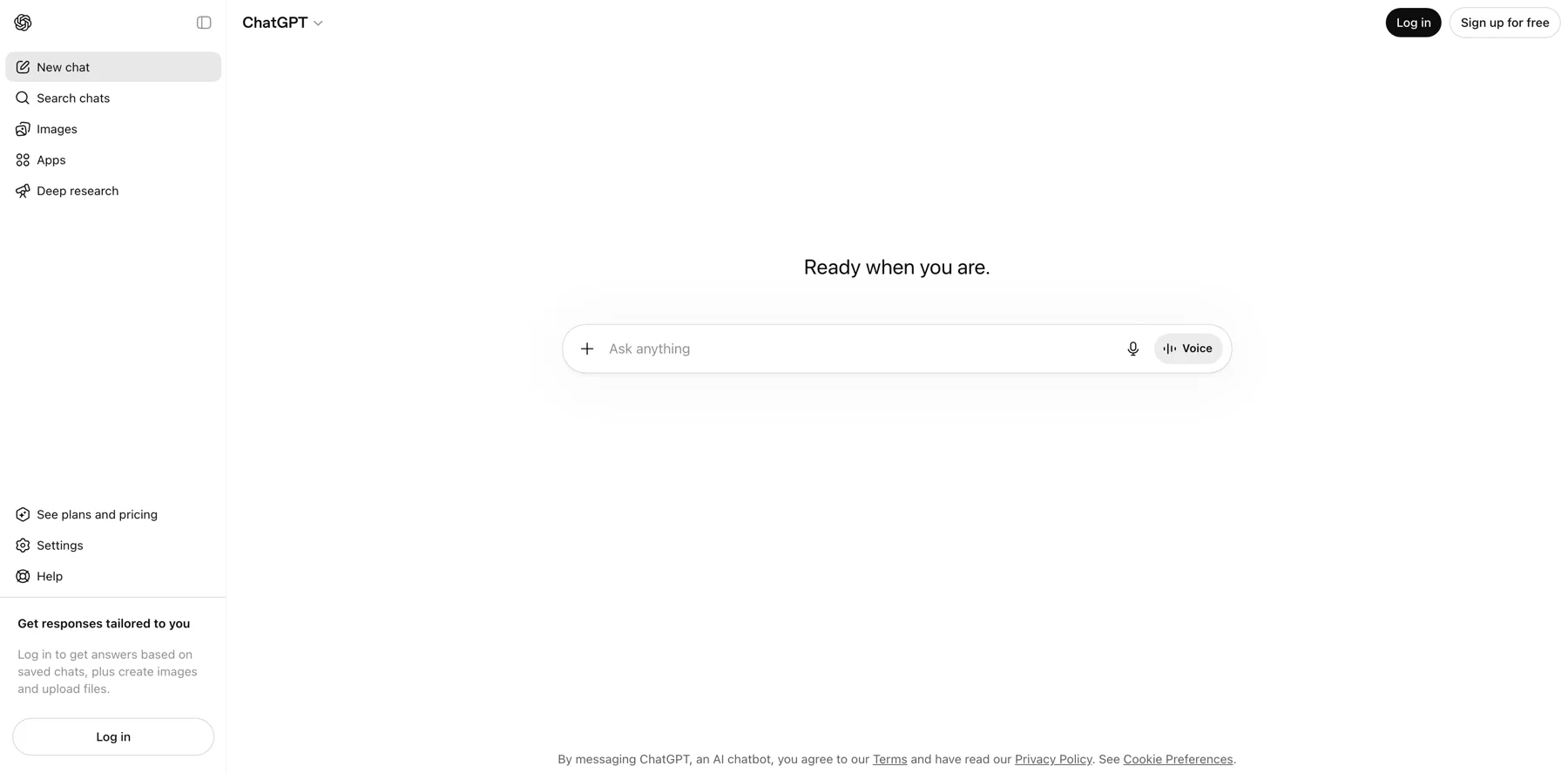
The belief of the vehicle. Um, the second one will be the belief to use it themselves. And then the third one will be like the, the external influence that will stop them from, from having this success. And you do have to remember everything that I just talk about. You just have to screenshot and copy this prompt and throw it into, my favorite would be cloud, uh, but you can still do it, do the same with ChatGPT or Gemini.
And essentially you just have to answer like, what is your service? And then the whole problem would give you a hundred different insights based on the Russell Robinson's belief framework. So it gives you different ideas of, uh, insights of the, um, objections with the vehicle, with their internal beliefs and also with the external belief.
So, and that's it. That's ai. So the promise is extremely simple to use. So you literally only need to tell them about your service, your offer, or your product. And if you can include. More context to what you do, who is for why it's needed even better. But otherwise it will give you a actually pretty solid, um, quick start.
Okay. Or head start. So, and now you should at least have 50 to a hundred ideas that you can use because if you just do that process and then you just do the filtration, you'll be able to at least pick a lot of topics that you can generate. And that leads us to the second part, the production. So the first part is about idea.
The second part is about how to generate those, uh, and turn them into a legit content. So without, before that, um, without ai, uh, we used to have to like stare at a blank page or we procrastinate, or we don't even know, like what to write or how to write. So again, um, I generalize them with a simple content framework, which is Reallys hook story offer.
So we'll talk about the hook later, but, um, this is pretty much, uh, I mean in the part two is where we want to generate the story, the content, the meat of the whole piece of content. So typically your content should be able to educate, entertain, engage, or inspire. But beyond that, your content should aim to elicit a certain emotion to allow them to feel something, okay?
Because ultimately people buy with emotion and then they justify with logic. So if you don't believe me, just think of like the last time you did some extreme sport. Is it emotion or is it logic? High chance it's emotional thing because you want to, uh, challenge yourself or just feels excitement or whatsoever.
And this is what I grab from Shaan Puri, uh, the core emotions, uh, that you can attempt for your content. So the first one is like funny, make it funny. End of it, they think your content is funny, or WTF that pisses me off, or That's so cute, or That's amazing. Or That's crazy. Or, or like, um, now I get a kind of, um, mind blowing thing feeling and that's how I feel, which is, um, basically just gets acknowledgement or that's great news.
So eight different kinds of emotions that you can put into your content. just pick one. But if your content can elicit one of these eight emotions, chances are your content is or is in a good way. Uh, good start. And if they feel it, they will react. So, and if they feel it and they want others to know, they share.
So, eh, one of the fundamental, um, belief that I have is like, the reason why people, including me whenever we share something on social media is because they want people to know something about them. So I want people to know about my service. That's why I do that. And so if you wanna encourage your content to be shared, then you have to understand that, and you have to make it about them so that they are willing to share to other, to get alignment and, and share that same feeling.
So. When you're writing, when you're doing this whole process, think about like what do you want the reader to feel or react? Okay. Um, some simple rules with online content, uh, nowadays is it has to be simple English. Ideally just grade five. So, so simple that grade five can understand, break long sentences into consumable lines and you can write short, punchy paragraphs or that depends on your style.
Uh, it has to usually be conversational, not too formal. Okay. And then directly address the reader as like you. Okay? So this is just really simple rules that I usually plug into the prompts. Types of contents. So we talk about like, um, different ideas, but, um, now let's take those ideas and, um, let's really flesh them out.
So, um, there's different types of content, and this is just some from Justin Welsh. So we can compare two things, X versus Y or like funnel versus website, why funnel is not working, uh, why, why websites not working anymore, stuff like that. Listicle. So like five best way or how to do this in nine steps, observation, motivational, actionable, analytical, contrarian, present versus future.
And, uh, personally I love listicle and I love to make the listicle actionable because chances are like when, when you put things into listicle way, um, it feels actionable. So that's, that's my favorite. But you can figure out like what's your favorite and you can try. So what I do 90% of the time is I share my insights or I share like listicles, and sometimes I plug in like stories about my life, uh, and then, uh, feel or like lesson that I can grab from that.
Very rarely I share contrarian because, uh, I don't want to play that card to be very political. Um, but yeah. So I want to make more money online, think like a fish. So this is more like a, this is more like a insights and a little bit of, uh, metaphor nine critical landing page elements to make a lot of money.
So this is obviously listical, so content writing method number one. So this is the pre AI way, which is read, curate, swipe. So writing is something that honestly, you just get better the more you write. So, but the step one is you have to read a lot because only when you read a lot, you know, what inspires you, what educates you, what makes you want to share what you like.
And then that's how you can get the rhythm and that's how you can know, like what we call curate or swipe. Okay. So curate is really like just compiling all these, um, contents that you like so that you can refer and model after. Okay? And then the final step is like really templatize and then swipe. So this is literally the easiest way to get started if you are very new in the content world.
So for example, like, um, justin, he wrote about like, I paid a guy 130 bucks to move a treadmill in 30 minutes, blah, blah, blah, blah, blah, blah. So you can templatize it into like, I paid someone X amount of money to do something in time it took. So, um, before AI, we have to templatize manually. With ai, you can literally just throw this whole piece into whatever AI that you use and ask AI to templatize for you.
That works as well. Okay. So after templatizing. Then you can plug in into like what you want, like for example, what you sell, so you can fill in the blank per se. So I paid a freelancer 500 bucks to set up a Facebook ad campaign in four hours. So we compare is essentially, um, we are modeling the way he write, but we're changing the content and context, and now suddenly it becomes ours.
Okay. So this is, um, how I also, uh, swipe and model something from someone, and then I just pluck it into my own, um, context and what I sell. Okay. So that's the manual way. Uh, the, the easier way is with ai, which is like. The context is that you still need to read in order to differentiate what's good and what's bad.
Because if you Yewmp into AI and you just ask AI to write and you don't use your brain, you don't read, you don't analyze, um, then chances are you won't even know whether the thing that you have just produced is good or bad. Okay? So like I said, instead of spending the time to templatize manually on your own, you can ask AI to do that for you instead.
So first we have to still curate our data set, okay? Because that's the key to making AI, right, better, which is curate. So you have to curate like what's good, what you think is good. Uh, ideally it's your content, but the. Quicker tips and tricks is like you can find an author or Creator whose style of writing is something that you like a lot or your audience love, and you can actually model.
After that, you can curate their work and then turn it into PDF and then upload that PDF as your data set. So personally, I use cloud, um, 90% of the time to write content. So, but uh, recently, like GB, D and Gemini is also pretty good. So we can actually try that. So we pick the tool, we upload the PDF, and then you just use this prompt, which is I am Jackson.
And then this. Document re represents a compilation of posts whose style of writing I want you to mimic so that whenever I ask you to write a content for me, you will use this writing techniques, but with the premise of the content that I'll provide, blah, blah, blah. So proceed to write for me a post I can use to post on the platform based on the following topic.
Okay? Remember, you use the writing techniques, you learn from the data set, and then you just plug in the topic that you get from part one into here. And it will give you a pretty good draft, uh, most of the time. And here's the trick. Instead of doing one by one, you want to just about produce. So one of the most frustrating, frustrating things about writing with AI is that there are limits to how much you can process with the time window.
Uh, and depending on when you're watching this, the limit might not be the same, okay? But in the early days when I was still refining the process, I hit the windows a lot and had to wait until like four hours before I can use it again. So if the first output looks okay to you, then just proceed to do the next one.
So you can produce a lot of content in a single batch, so you can produce like literally few weeks worth of content with just within just one or two days. And that is step two. So, and for me, I literally just draft my content. I do maybe a little bit of ation, and then I slap on the cover and upload to link, and that's, that, that works for me.
Okay, so how about story? Story is a bit more unique, right? So in this case, I, it's essentially the same thing, but then I tell it to write a story instead of generating ale for me. So, and similarly I, you analyze the writing style of the document that I uploaded them and give, give us something that's going on with my life.
So you can have the creative angle and write good insight posts for me. So I want to post on my Facebook just as a life story. So I went to Japan and then, um, I have some like stories, uh, with my daughter. I brought my daughter to Japan for the first time. So, and the. Long story short is like, it wasn't as scary as I thought.
And this is literally the single line that I give to cloud, and it generated a whole long piece for me. I trim and I just pick the essential part that I want to post, and I post it and it went pretty okay on my profile. So, and that's it. That's how we can use like, um, AI to write even stories for us, uh, if you're a bad writer like me, or like the insights, the listicle, all those kind of, now that's part two.
Now part three is, um, the last part. So part three, well, the first draft of anything is shit. And you realize that even with ai, because AI is very general, right? It cannot make you, it cannot. Um, it doesn't really understand you, your background, so at best is writing more like a how to, but now in part three, you wanna turn that content into how I, so some stuff that you can fit to AI to make the content even better is like your stories, like we just showed, or your own results, or your own case studies and actual names.
So adding this into AI will make the content feels more real, because honestly, there is a lot of AI contents out there compared to even two years ago. It's, it's a lot like, um, I, I don't wanna use the bad word, but, uh, yeah, it's, it, some, it's just bad because everyone is just producing and don't want to use their time or brain, uh, and effort to make it even a little bit better and different than normal people.
Then most people. So again, all profit content must adhere to the framework, which is hook story offer. We have the story now, we just want to make it a little bit better, uh, in the third step. But, um, beyond that is the hook because the hook is, for example, the title of the carousel or the first one to two line within your content.
And that in Paral principle is the most important thing, is the 80% most important thing of your content, email content, landing page, everything online. The hook is the key because without a good hook, you wouldn't get people to want to continue to read or watch or click. So in the world of endless scrolling, your opening hook can really make a difference between a reader stopping to engage or just ignore.
So therefore, your hook is the most important thing in everything you do online. Regardless of how good your content or story is, you have to nail down the hook. So, um, this is something I learned from um, Jasmine, which is one of the pretty much top Lincoln influencer. And, um, he has this thing called the rehook.
So hook and rehook. So the hook is, for example, the first strong sentence and a rehook just reemphasize on the first statement of like, why people should continue reading. So some of my best hooks just to give context and example. So chat, GBT is a free copywriter. This is a pretty good hook. At, at the time of posting, but 97% still don't know how to use it.
This is a rehook. So we basic, basically split them into two sentences. And this is literally the first thing that people see on LinkedIn. And if they don't want to read this, then they will skim past it. But if they do, then they will click and then they'll read more. So this single hook, uh, and my content gets me a hundred thousand of impressions and that's, I think just within less than a week.
Okay. Over 200,000 phones exist in the world, yet some people has always managed to find their ways to bet ones. This one is close to a hundred thousand, and the first line again is the hook. The second line is the rehook. Copywriting is a superpower. Learn it and you can sell anything online. So you can see why this is a rehook because anyone wants to.
Learn how to sell anything online. Okay? Most people know about six thinking Heads, but have you heard of the six copywriting hat? Okay. Uh, and yeah, so many facts tell story cells, but no one knows storytelling better than Pixar. So again, we give them a reason to keep reading. And then here's 22 rules, blah, blah, blah.
And this piece of content is also 60,000 impressions. Your ideas are woodless, your execution is, this is just a little bit contrarian. Okay? Um, yeah. So more hooks from other people. And one thing that I love when I'm look, when I look at online content, when I, when I spend my time on social media, is really looking at what other people is writing because their content can be.
The same and similar, but different hooks can really have different results. And which is why I love to study like different hooks from different content Creators, writers, influencers, agency owners whatsoever. So I like to study what works. So reading hooks can also to me spark new content idea. So you can take that hook and use the part two process to generate a new content for you.
So think along the line of like, how can you summarize your content in the single sentence and how can you create that curiosity gap or make a surprising statement. So, because these are the all the key elements to making the hook a hook. Okay. And last but not least, the offer. So all your content should have what we call a call to action to an offer.
So it could just be follow me, but, um, if you have like a lead magnet or if you have a service, you wanna do some audit that makes sure that your content actually calls out to this one. So DME for whatever or whatever, click for whatever. So I actually used this same trick on all my carousels and I actually like brought in a hundred different workshop attendees.
Uh, just like that and just through like a simple. Offer at the end of my content. So, and the prompt to like refine is literally this. So here's when, when they generated the first draft, just add your story and then just ask it to rewrite. Okay. So here's my story. Can you rewrite the above? Then it will just refine what we call the how to content into something more like a how I, okay.
And if you realize like the copy, the, the writing from the ai, the production isn't that good or like you would have wrote it a different way, then just train the AI to do the same. So here's how I would've written this. Analyze, analyze the changes I made and apply the nuances to all your future outputs.
So this is how we train the AI so that it can write me better content, uh, moving forward. Okay. And so this is the full pro for the entire like. The training. So the structure of how to hook and rehook, and then some of the rules that I use, uh, so that the content when they generated generate for me is pretty much 80% ready to go.
Uh, and sometimes I add my own substance, sometimes I don't. Okay. In a nutshell, your action plan is really just idea as much as you can. Produce as much as you can, and then refine and then just publish. So the speed of your production is depending on the content format that you chose. Obviously if you chose to just post it as a text.
Form and slap on an image. That's the fastest way. If you choose to do like short videos, it will take a little bit more time because there's like either filming or editing, or if you choose to turn it into a carousel like mine, there's obviously still going to take extra editing compared to like just posting it as a text.
So pick your own favorite style. For me, I, I chose Carousel because, um, my unfair advantage is my eyes of like, um, of design. My sense of design, and, um, what I think would capture the attention is also the graphic. So that's why I love Carousel because I can leverage what I'm good at and to share my insights.
And ultimately, of course, for me at that time is to get clients. So if my design caught their attention than the perceived value. It for me at least, is that they already know I'm good with design and that helps with my own, my own positioning. But if you, let's say you are doing video editing or you're doing some other services, then, then you can pick your own content format and that's pretty much it.
So at the end of it, I'm not sure if Navid would want to share with you some of the bonus, but here's Yeah. Uh, a bonus from my side.
Navid Moazzez: No, let's do, let's do that. I can, I can link up some resources, but I had, I had some questions. I mean, you mentioned carousels a lot for LinkedIn. I mean, that's obviously blowing up quite a lot for, from different people and I've seen yours.
They're very striking. Do you, I mean, you have a design skill. Do you use any AI in this, or what kind of tools do you use to create your carousels and what, what's your process to kind of put the text or what goes on each slide? Basically? On each, uh, I mean for LinkedIn, I guess it's like a PDF you upload.
I think so.
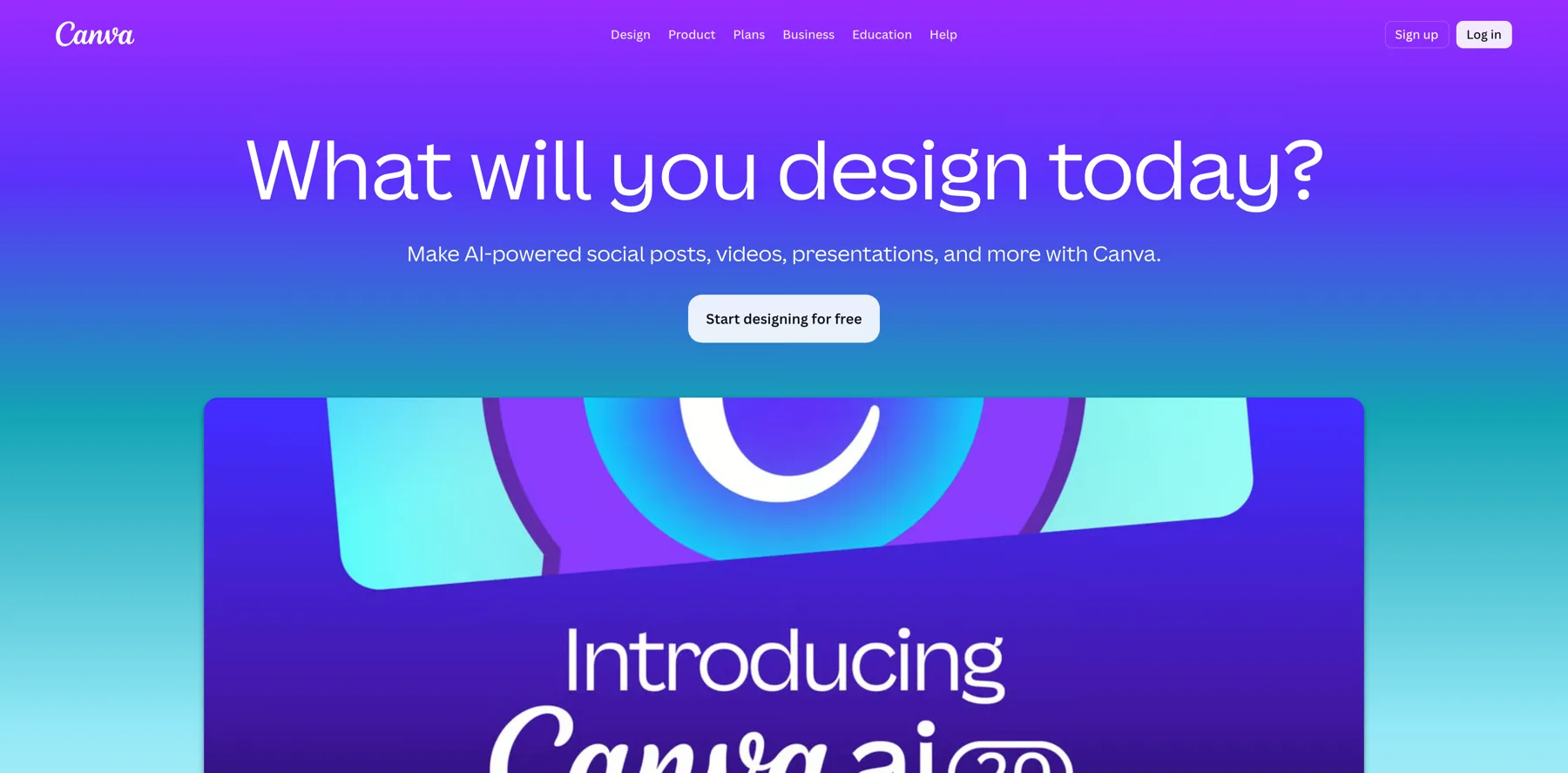
Jackson Yew: Mm. Yeah. So for LinkedIn, the carousel style is, it has to be exported into a PDF. So personally, I use, um, I use Figma, uh, and then I know some other Creators, they will just use Canva. Um, to me they're all just different tools. So like Canva, there is a AI assisted feature that can help you to, um, produce a lot of carousels, uh, together as well.
But for me, I have my, um, my pet peeve of wanting something to look and customize, which is why I spend a little bit more time on the cover. But here's a fun thing, uh, that, that, Diane, I, I'm glad you asked. Um, I used to think that carousel. It has to be super nice for the whole slides. And that's, if you look at the early color cells that are produced, they, each of the slides are very polished.
And then towards the end, like I said, I'm a very lazy person. So a lazy person, it's not dumb, it's just lazy. And we think of like, how can I shortcut that? Like is there a way that I can do things better and faster? So then I started to produce content, uh, a carousel, and I really just make the cover looks nicer.
So each of the cover is obviously different. So depending on the topic, the topic, they all have the same font style. The brand style. You can tell it's my carousel style, the graphic, I would change it, but the rest of the slacks are all just. Plain white with just text. So, and I realize it doesn't make too much of a difference if your content is already good.
So your carousel cover definitely have to capture the attention and be sexy enough to make you different. But the rest of it is really, you can just let it be white background and text and it still works. So that's, um, little bit of like tips and tricks in terms of carousel. Don't get so fixated about the designs of every other slides because, um, yeah, the hook still matters.
Navid Moazzez: Yeah, no, I've seen, I've seen that actually for carousels, like the, the, the intro slide or the, the cover basically is kind of the most important. And then you can have pretty simple ones, as long as the content is good, then convey the message you want to share, basically. And I think that's, uh, that's great.
But do you use any AI in terms of coming up what goes on each slide? Like, do you use the same process? Like you, you take like templates? You mentioned a lot of templates from like Justin Welsh and other Creators on LinkedIn, for example. Do you do that to kind of have the, kind of the flow, what goes into it?
Is there any best practices that you follow for, for kind of the content on each, uh, or each slide?
Jackson Yew: Hmm. So we wanna make sure, like each slide is. Easily readable, so depending on the length of your content. So if it is very, very long, then I obviously would break it into different chunks. So, um, and ideally, I think if I were to give it a formula, each slide shouldn't have more than, uh, more than 200 words because that, that's pretty much like a short form thing.
So I just break it with, um, a little bit of my intuition, uh, back then. So now with ai it's very easy. just add one more line, which is like, help me break it into easily readable slides, chunks. Then, um, you can pass this to your assistant. You can pluck this into whatever AI tool like Canva, and then it will just easily help you to put each chunk into separate slacks and that's it.
So, yeah, I mean, when I first started, like AI and Carousel, isn't that. Uh, advance yet, but, uh, right now I think there's way more tools that can help to, um, assist with that.
Navid Moazzez: Yeah, no, I, I created like a Claude Project, so I basically took, I, I created first a prompt 'cause I used it for a while to kind of tweak it and now I, I mean it's, it's pretty good.
So I basically created a cloud project. I tested it recently. I just basically uploaded some of, uh, in Chris Donnelly I think is pretty good. Uh, carousels, Matt Gray, I mean Justin Welsh, uh, other Creators on the platform. I just wanted to test it. It actually did really good job on clo to just basically spit it out based on kind of what I wrote in the intro, in the, in the instructions for, for the project.
And it basically did it in basically one shot. Maybe I would have to add some details, but I basically took a blog post from my site, maybe my 52 life lessons or something like that. And he did a great job to actually put it on each, uh, slide and. You know, creating it with a gr, with a, with a correct hook and stuff like that.
So AI can definitely help quite a lot. But as we wrap this one up, do you have any final words to everyone, like to get started with what you shared during this kind of presentation here today?
Jackson Yew: Hmm. Um, I think, um, in retrospect, my biggest, um, mistake is that I think too much before I post. Uh, and it, it, it, it is still the same pre AI and post ai.
So even with ai, I think a lot because I care about my brand, but, uh, in retrospect I under just share that, um, it's irrelevant. This is all just, uh, internal fear of, um, putting ourself out there. Because ideally, I mean like, people don't care about you or me, they care about themselves. So, and what you share.
Is just a reflection of what you feel. And I think the biggest mistake, uh, if I can fix myself or other, or like in retrospect, is really just consistently share. So if the method of the content format you choose is a bit hard, then just go with something simpler. just puts a text or whatsoever. And.
Apparently, like text form content is picking up in some platforms, so I don't know why, but, um, I think that's the fun part about staying in the game, uh, because like people's behavior will never stay the same. So Carousel was very popular when Instagram started it. Then, um, Lincoln caught up maybe two, three years later.
And then video is now, uh, like one of the favorite. But again, carousel will always have its place. It's still very, very, very popular on Instagram and Lincoln because, um, it's, it's one of the rarest medium form content. And, um, the way I like carousels because it, it actually promotes micro interaction so people actually has to swipe and that actually tells the algorithm whatever platform it is that they like your content.
And so, and also it, it, it allows me to consume content in my own pace versus video. I have to actually spend time watching it and to finish it. But for Carousel, I can quit halfway or I can swipe very fast. So, and I think a lot of people like that and which is why Carousel is here to stay. But yeah, I mean like, again, if just one word, I think just keep producing.
Navid Moazzez: Yeah, absolutely. I mean, I think with carousels as well on LinkedIn you can, you can even download it. It's kind of like a mini lead magnet in a way because yes, it, it's what it is. I mean, you, you can have a real, quite a lot of content on, let's say 10 to 20 slides, and it can be really, really valuable.
Pretty much like a mini lead magnet or a pretty valuable lead magnet that you can consume pretty quickly. So I think that's why they are here to stay and it's a great content medium, and you can also, I see some people actually taking a lot of their carousels and they're actually bundling them. Then people can download 'em.
So you can actually offer them then as a lead magnet, as for an email opt in as well. So lots of stuff you can do with this, but Jackson, this has been super valuable. Where can people connect more with you? Where would you like people to go check you out?
Jackson Yew: I'm on Instagram, uh, more nowadays, uh, and some LinkedIn.
But, um, yeah, definitely follow me on Instagram to stay connected with, um, my life. Uh, and I'm going to start putting out more like video content as well because, uh, yeah, I like to experiment things. So the reason why I chose Carousel is because I felt like I can, I don't have to show my face a lot. Uh, but now I'm ready to show my face, which is why I, I'm gonna put out more video content.
I'm gonna start with Instagram, uh, and then subsequently maybe like YouTube, so step by step. But yeah, Instagram, the Jackson U.
Navid Moazzez: Awesome. We'll link up all the resources we talked about and if you have any questions or comments, drop them below here and we'll check in and I'll talk to you guys very soon.
Ciao for now. Bye.