AI Virtual Events Secrets
Navid Moazzez: In this session, we'll talk about the proven AI virtual events blueprint, and I'm really excited for this one, because we are going to break down exactly what we are doing for the AI for Creators summit, and I have Jan with me here, so we're gonna basically dive into everything we have done, and how AI is helping us a lot in this process.
So, before we get into kind of the steps for Virtual Summit Mastery, I always had These seven steps, and it's been working for almost 10 years now, we have been doing this. but now in the age of AI, we want to basically showcase how this can be done a lot faster and more efficient. So Jan, what do you say, what are the benefits of hosting virtual summits?
Jan Koch: I think the most important benefit for me, at least, and for many people I'm speaking to from the program is that the summit puts you on the map. So when you are maybe just beginning in a new industry, or you're just building your business, or maybe you have an existing business, you have thousands of customers already, but you want to expand, the virtual summit helps you build that network.
of people who refer their audiences to you besides the monetary aspects, of course, of the different monetization strategies we'll cover in this video as well. I think what's important to know is that it builds your brand, it builds your business, and it builds a massive audience if you do it right.
Navid Moazzez: Yeah, and I'm not gonna get into too much detail here.
I mean, it's obvious you have seen what it can lead to. Uh, you bought. Some of the products because you're here. You bought the AI Super Bundle. You bought probably the AI Profit Booster as well. So you are, you're here because of a virtual summit most likely and depending on when you're watching this. But that's basically the power.
You're hosting a summit. You're putting yourself on the map. It's the best way to launch any business for that matter. I've seen it time and time again. For example, Mitch Asser. He launched a summit in the pet industry, basically for dogs, cats, and things like that, for them to, you know, nutrition, pet nutrition, pet health, and all of this kind of stuff, and he's doing really, really well, I think he's made well over a million dollars in this business, generating You know, hundreds of thousands of leads.
I think it's pretty crazy what you can do, and he's not an expert on this topic. He's bringing on other people that are experts, and they are teaching, basically. So you don't even need to be an expert.
Jan Koch: And sorry to interrupt, but he's using AI now as well, and I think that's really cool to see. He's been with us from the very beginning, and he's transitioning into the AI space now with everything that he's doing behind the scenes.
So I'm really excited to pull back the curtain here.
Navid Moazzez: Yeah, I mean, that's one of the things. He was not even successful with his first summit, at least if you look at the numbers, but then he stuck with it, and he's been doing really, really, really well over the years in all kinds of industries, even solar business, and I've been doing this for 10 plus years, our students have been doing this for a long time, so now with AI, we can do a lot more.
And the benefits they speak for themselves. And with the AI, it's a lot easier because you can repurpose a lot of this content. And I think that's what we are going to get into a lot in this session, as well as we go through the seven steps. So Jan, let's dive in here and start sharing the screen and get into the first step, which is.
The foundation strategy, and that's really, really important to set the stage for the rest of the session.
Jan Koch: Yeah, and for the foundation, what do you need? You need an idea of what industry you want to run the summit in. Probably you know that because it's either your profession or it's an interest. You need an idea of what to cover on the summit.
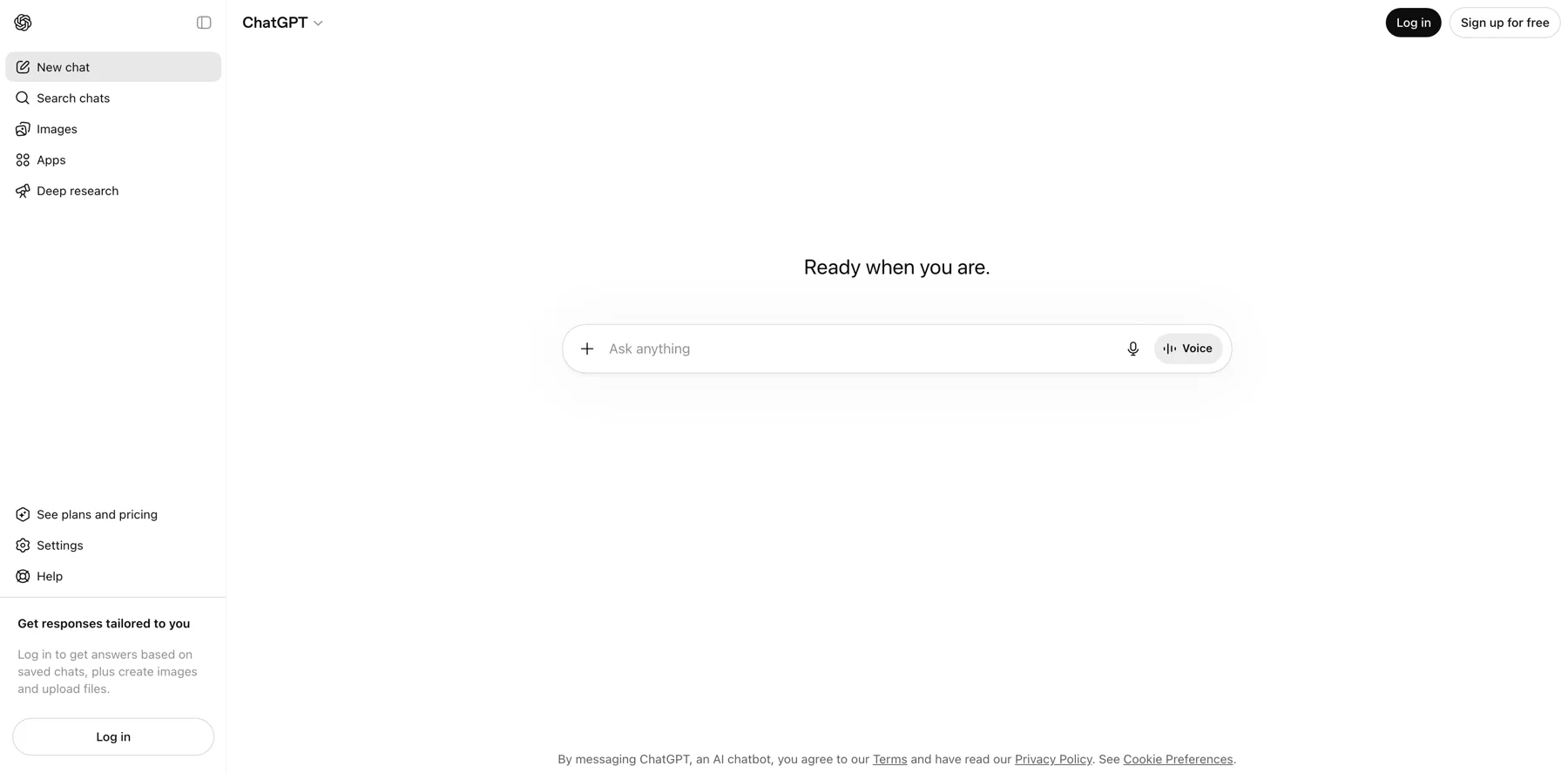
What are the topics that are most important for your industry. And you need an angle for monetizing the summit, so what we can do with ChatGPT right now is pretty simple. We do a prompt like, you are a virtual summit and event organizing expert with world class reputation for bringing together tens of thousands of attendees.
Like, always do the priming first. Help me strategize and plan a virtual summit in, let's say, the dog training industry, to stick with Mitch Asser and his example. And I actually thought about doing this myself as well, because we have a dog as well. It's just a topic I like. Yeah,
Navid Moazzez: as you go on here, Jan, you can do a summit in any industry.
It literally works in any industry, at any stage of your business, so that if you want to enter, let's say something, an interest of mine would be snowboarding or maybe outdoor activities, then I could do a summit on This topic, and I don't even need to be the expert, I'm not a, you know, professional snowboarder, but I can like partner with magazines and stuff like that, and I could bring on uh, different experts on the topic, maybe different bloggers, YouTubers, and stuff like that.
I think it's just a beautiful thing and I don't know any other method where you can enter an industry like what you can do with a summit. Yeah, I
Jan Koch: couldn't agree more and this is a very basic prompt right here because as you know by now we like to keep it conversational with ChatGPT, so you would start with a very superficial Question, give me the most important topics for the industry I want to run the summit in.
What do people care about? What do they want to learn? What do they struggle with? That's a very good starting point. And we're not going to dive too deep into this because we want to keep this fast paced, but the point from here is. You have now a list of topics that you can think about as topics you can invite speakers on.
Like, there are different dog training techniques, there are different ways to modify behavior, there are different ways of, okay, what do I need to know if I have small kids? What if I have a little bit bigger kids or teenagers? Like, how can they engage with dogs and things like that? So You really think about what is it that your audience thinks about every single day when they wake up, what do they think about when they go to sleep, what do they think about like when I thought about our dog being younger, like 10 weeks old, we were pulling our hair out because it was just a mess at home.
Yeah. And I would have given a lot about it for a virtual summit that would teach me, okay, what do I need to do if I have a 10 week old dog? Like, what do I need to think about? What do I need to do to train it? And things like that. And with this prompt, you get this list of topics. And then you can even divide this further right here.
Let's say for summits, we often do topics for specific subsets of the audience. ChatGPT already gave this here for novice owners, experienced and families. Now what we can do further is think about, okay, who are the most important experts in this space? What are the biggest magazines in the space?
Sometimes you could do this in ChatGPT, sometimes with BART, but you just dive deeper into the industry.
Navid Moazzez: Yeah, a pro tip regarding this when you're getting into the topic selection, it's to start with the end in mind, and we're gonna get into that more when we talk about the offer, but I think it's also really important if you are going to use my new method, which is actually Not just to sell a non access pass, but it's to grow the audience with the summit on your, the platform of your choice.
Typically that would possibly be YouTube because you can actually publish the sessions there and you can still have what we call a super bundle. We're going to talk about that a little bit with the offer. But then it's important to actually know could this potentially rank on YouTube, so you can actually go to YouTube, there's not as much AI, you can use tools like VidIQ or TubeBuddy to actually find different keywords and you can have the auto suggest feature on YouTube as well and that's actually a good way to find kind of the topics for the speakers or potentially even find speakers that speak about these topics and that could be great for your outreach later on.
Jan Koch: Absolutely. And I've just, while you were speaking, asked ChatGPT, what are some affordable and high converting offer that I can position around these topics to monetize the summit? And you've made a really important point here. When you plan an event, you need to know, how are you going to monetize it? And it's oftentimes very similar.
You have ebooks, you have online courses, you have webinars, memberships, workshops. Merchandise. Probably not so much
Navid Moazzez: like, it's depends how big you are. But I, I would say also sponsors. Yeah. Uh, that's a big, big one of yours. Jan, you have done this for a long time, uh, but I do think the, the super bundle or whatever, there can also be an all access pass if you just starting out.
You don't have time for it, but we are for, for the. For this session, we are going to talk about more of the new strategies, which I think works a lot better. Like Brian Barony just used this and he crushed it with his launch and he didn't even do everything I told him. So, it's like you don't even need to get everything right.
And even though you lose some of the urgency, that the sessions, they won't expire anymore. A lot of people, they are afraid of that. Like, ooh, they are just, they are available forever on YouTube. Bye. Would someone even buy your all access, buy your Super Bundle, right? Or whatever it is that you're selling because they get so much value for free.
Well, a lot of people buy because this is my, the AI for Creators summit. That's actually the highest converting summit I've ever done. So yes, the topic helps a little bit, but I think I could have done it on other topics and I would have had a similar conversion rate, to be honest.
Jan Koch: True. And this is what a bundle can look like.
So what we've done is we've taken the ideas that we came up with ourselves and then supplemented with AI, and we put them together into one product. So instead of saying, okay, I create this course, and I create that course, and I create the other thing as well, we say, hey, this is what we're doing. Put everything together in one digital product, which we call the Ultimate AI Super Bundle.
And you can see right here, we have courses and workshops. We've got the blueprints like you are watching right now. We've got some deep dive sessions. And this is the knowledge base is something I'm really excited to show on how we are building.
Navid Moazzez: Yeah, that is a cool one. It's still like in the early stages of what is possible with knowledge basis and like uploading your data. But I think it's still really cool to do that for your customers. And there's a, you can't even monetize this alone. It's really, really cool what you can do. There's a few platforms out there we will show you in this session.
But yeah, as you said, this is actually, you can also have upsells and stuff like that. And that's something we're also going to show. This is actually part of the AI Profit Booster. So this was not in the original Super Bundle. But you can like mix and match however you want with the different courses.
And I think What is cool by doing it like that, it's actually like, almost you could sell these, these programs or workshops individually. I mean, if you wanted to, you could like separate this later and then you can make it really valuable. Maybe you have a sale later for like a Black Friday promotion or something during the year.
Then you can like, you know, put this together again as a bundle. I think, I think it works really well. Uh, so that's why I like this method and it's kind of replaced the all access pass. It's like an all access pass on steroids, pretty much I would say, because this works not only during the summit, but it works really, really well to sell.
Beyond the Summit, that's an evergreen product, you know, 24 7, essentially. Yeah,
Jan Koch: yeah, absolutely. And I think what I like about it as well is you overwhelm people with value. Like, it's not,
Navid Moazzez: like Overwhelming is It's a tricky word because you should not, like, overwhelm. There's sometimes you should do it.
Like, when it comes to a bundle, it's actually good to do it. Why? Because we have so many different People signing up for the summit. So if we just had just one specific focus on this, yes, we'd get maybe more targeted people. Uh, let's say you had something for, you had a back end product, like a course or a premium program, and you just wanted to have a specific group of people, yeah, well, then you can do that, but I think for this, because AI for Creators, you're gonna get different types of creators, solopreneurs, and digital business owners, like if you're watching this, maybe you are, Not having the same type of business I have, maybe you do different stuff in your business, right?
But you still bought this because it's valuable. I think that's the key here and, uh, and that's what you can do. Obviously, you have to see how this fits in in your business, but I think having a product that can sell and be like an impulse purchase in your business, that's what this is. And that's what where, that's how I'm using this.
I would still have probably higher Price products in my business, I for sure, but this is a really good product to just anyone can buy it when they sign up for the summit or even like in a newsletter sequence. They can buy this basically instantly or any without too much thinking.
Jan Koch: And what I also like about this is when we come back to the topics right here, the types of speakers you invite.
So I'm scrolling up to the topics in here. You will have like. Depending on the size of your summit anyway, from, I would say, 20 to, we have 60 plus speakers now, but 20 ish is a good way to start for the first one, I would say, and with the speakers you invite, as they cover different areas and different interests, they bring different people together to your offer. That's where the power of the AI Super Bundle or your bundle would come in, because you can serve all those different interests with the same offer.
Navid Moazzez: Yeah. No, that's pretty amazing. So you can, when it comes to the naming of your summit, don't think too much about it. You can get, you can take help of AI to do stuff like that.
But you know, I have hosted summits called this building school. We have done You know, other things, I mean, you can name it sessions, you can name, I mean, it doesn't really matter, I think, for the name too much. Most people just put summit in the name and that's fine, or success summit, or something like that.
You can also name it something completely different. Doesn't really matter as much as the positioning of the summit and the offer, and kind of how it fits into your business. Would you say that's accurate? I don't know what you've done, Jan. You normally just named it Summit or something like that? Yeah.
For, for the ones you hosted.
Jan Koch: I would say be clear, not be clever with your name. Yeah. It needs to be very easy for people to understand and then the name doesn't really matter at the end. You just need to choose something that you target audience immediately knows, okay, this is some form of virtual event that I can attend.
And then for your.
Navid Moazzez: Yeah, exactly. And, and you don't even need necessarily the domain for it. I know. in the past, I had ListBuildingSchool. com and stuff like that. Now, for what I'm doing now, because I'm building a brand with Creator School, I actually put it on the main domain, like Neil Patel has done something similar when he hosted, content marketing summits and SEO summits.
He just put it on summit.neilpatel.com or something like that, when he did it in the past, now he's doing it on some other subdomain for, I guess, his agency. But yeah, that, that's what you can, what you can do. So you don't need to, like, have this domain. Depends how it fits in your business, I would say. If it's the first thing you do and you don't even have a website, well, Buy a.com or a.ai or IO doesn't really matter.
Even you don't need.com anymore. Like my main domain now is creative school.ai. I mean, it's fitting for the summit, but I'm not only about ai, but still it's a pretty good domain. I don't think that's gonna hurt too much because I guess if you can get.com, go for it, but it's not always gonna be available, that's what I would say.
Jan Koch: Yeah. And I would say when you start with the summit and you decide on the topic and the market, get the domain and put a landing page up, because now the next step would be to reach out to speakers and to try to get like some low profile speakers at first. And then as you get the first five or the first 10 confirmed, you can reach out to higher profile speakers who are more in the industry.
Navid Moazzez: Yeah. We call this the ladder strategy. Basically start with people you know, or people you've. Find a little bit easier to get on board. Of course, if you can get, you know, a Tony Robbins of the world on board for your summit, go for it because that's going to make everything easier, of course, because you're going to be able to get anyone if you have a name like that.
So usually what happens is when you get some bigger names on board for your summit, it's going to snowball. Uh, but here's, here's something I want to share if you are newer to this. A lot of people, they want to give back. So even if you are newer and you have a professional outreach, you are doing this for the right reasons, some big names, they will say yes, even though you have a smaller platform.
I think that's really important to note. That's what people have done for me when I started out. I remember, like, Rand Fishkin. of Moz, he basically came on for my first summit, the branding summit, and he didn't gain too much from this, but he just did it because he wants to give back to the new person.
Because if he doesn't do things like that, there's not going to be the next Moz. That's what he told me. That's why he's doing things like that. So I think that's a really good thing. I mean, for example, in my case, I sometimes do very smaller summits from time to time as well, because I want to give back, for example, to my students or someone else who's doing it for the right reasons.
Even smaller podcasts and stuff like that. So I think that's important to note.
Jan Koch: Absolutely. And I've had the same experiences. It boils down to having something to show them, like reaching out to a high profile speaker like ChatGPT, recommended Cesar Millan. I'm not sure if it would be possible to get him without having at least a landing page up and showing him that, okay, this is a serious event.
I'm not going to waste your time.
Navid Moazzez: Yeah. Yeah. Because a lot of these big names. I mean it depends. In the AI space I found this to be true because I'm not really, I wasn't really well known or anything for some people. There are some people I knew before like Ryan Levesque, Stu McLaren, to some they are very big names.
To me, I have helped them in the past so it's pretty easy for me to get them on board. I reached out. With an email or a Facebook messenger to Stu, he just said, yes, contact my assistant, we set it up, not more to it. I mean, sometimes it can be really easy to get a big name, at least to some people, but if I wanted to get someone like Gary Vaynerchuk, it's a little bit more to it, or someone who's not even familiar what summits are, maybe someone up high at OpenAI or something like that, I mean, they probably would need a little bit more, or Google or something like that, it's a little bit more difficult, and these people, it's Might not be the best promotional partners for the event.
They're not gonna promote it necessarily, but they're gonna drive authority to the event. And we do have a few of these people, I would say, like Armand Ruiz, for example, is a great example. Maybe not the most well known, but he's definitely someone who's been in the AI space for a long time. We have someone from NYU Stern, Conor Grennan.
I think he's a great example of someone also that I wouldn't normally go for. But I think they add to the summit and they add to the diversity of speakers. So if you're in the health space or speaking about, you know, dogs, pet nutrition and stuff like that, you would probably get some researchers on board.
Or if I spoke about biohacking, which I'm really interested in. Maybe I will get some people like myself. They're really interested in it. They're creating content online, but they're not necessarily a doctor or anything. Okay, I get some of these, but I also get someone at the Research Institute or Stanford or I mean they add to it.
I think that's very important to note.
Jan Koch: Yeah, I think it has to be a mix of in the trenches and then the 30, 000 foot overview level that like, Armand Ruiz director of AI at IBM, like doesn't get more high profile than the professional space. But what I would say is when you use AI to reach out to speakers and to build that list of speakers in the first place, focus on.
Outlets that like media outlets that already contribute to the conversation. That's why I asked ChatGPT for podcasts and for bloggers, because for those people, it's one, they already create content. So they're used to it. I've had speakers who hadn't been used to doing interviews. It was a pain in the butt to get them, even into a somewhat
Navid Moazzez: What is more, the other thing that is a pain, and I think that's even more important, and, in this day and age, because now the quality barrier has raised.
It's not the 2013s of the world anymore, where you can like have a crappy webcam or something. I mean, you can do it. Don't get me wrong, do a Zoom recording, but as you're going to see, you want to do it a little bit higher quality if you can. Because that's really the quality that will stand out on a platform like YouTube.
Because so many people there are doing in person stuff these days. If you want to stand out with remote stuff, you have to do it high quality. I mean, you can't get around it, and I think in any platform like you, today I think video is not really optional, it's necessary. Like, video is necessary to actually stand out in most cases.
Okay, of course, if you are a natural writer, continue doing that. But even, I mean, I can't even name people that are like really core writers, they are starting to do videos. Cal Newport. He has a podcast. He records that podcast. It's really good, actually. And he's a writer. He's a core writer. He doesn't like distractions and stuff like that.
And he's doing video now. I even saw Andrew Chaperone. He's not been doing really any podcasts with other people. Now I am starting to see him even on video. I haven't seen him in video in like ages, you know, like even he, him starting to get on podcasts. Yeah, it's changing a lot.
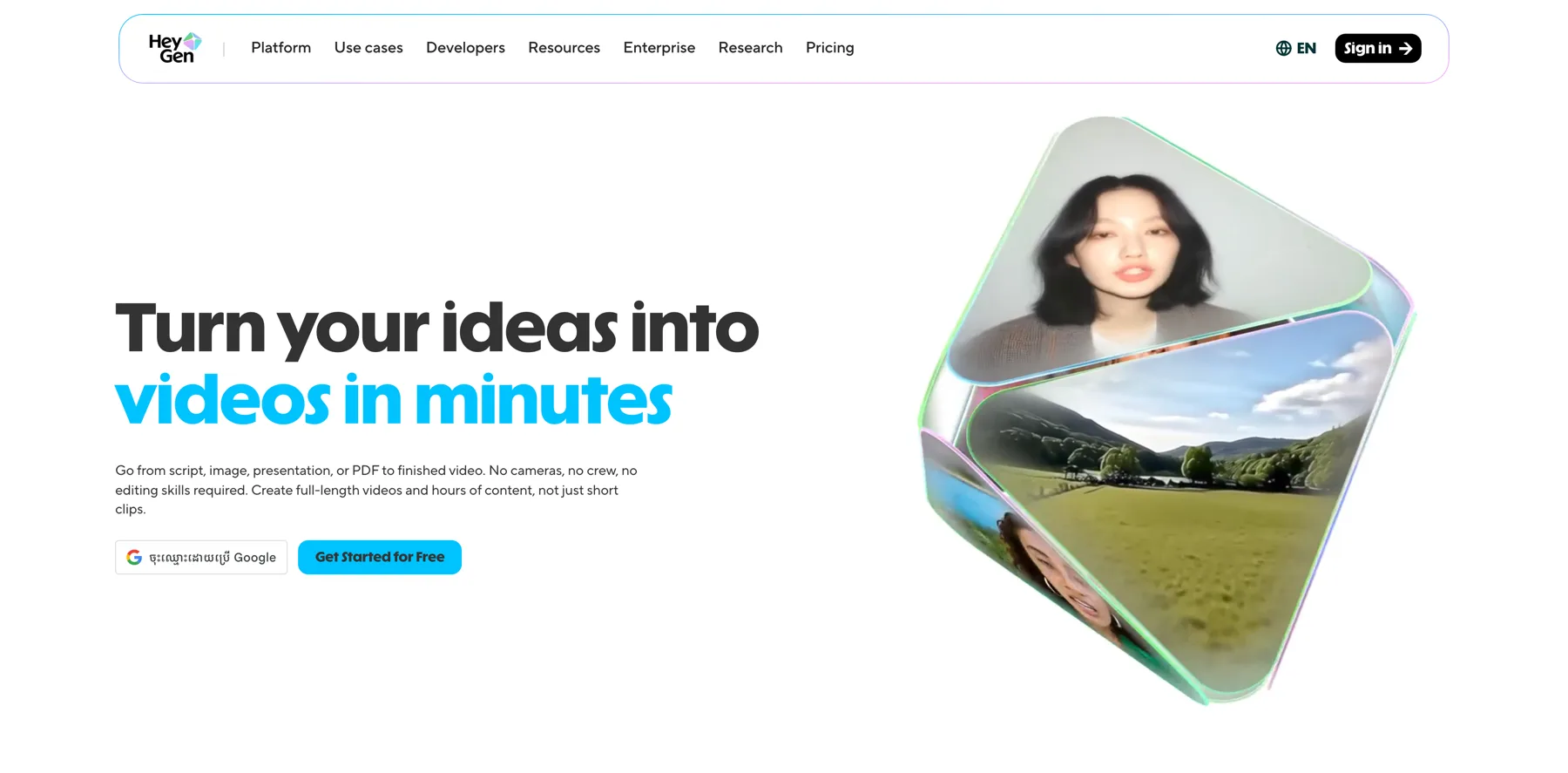
Jan Koch: Okay, and then the cool way, as we're talking about video, is you can use AI for video outreach. That's why I have HeyJan on the screen right now. What you can do is you can upload yourself and create personalized video messages at scale, so that you don't always have to record all the videos. Like, sometimes, I have a young daughter right now, so sleep isn't the best, as you can tell here with my eyes.
Sometimes you're just not feeling like doing video or you don't have the studio set up or something like this, you're just beginning. So AI can help with this for the speaker outreach quite a bit. Obviously, writing the sequences as well, writing the speaker outreach messages is super easy with AI. And then you tweak this for them for yourself.
But just be smart about how you reach out, not just who, but how you reach out. Position it in a way that it's easy for speakers to decide if they want to join or not. They know exactly how much time commitment you will take from them. Usually I would say around 90 minutes. If you want to do a 60 minute interview, schedule 90 minutes.
And
Navid Moazzez: tell them what's okay. I did 75 in the past, but if you want to have a little bit more time. For a rapid fire round and things like that, or if something, God forbid, it goes wrong, which can happen. It happens a lot actually sometimes with remote setups. Yeah, so then you might need 90 minutes, so you actually have time for this.
But yeah, if they can't give you this, I mean, go for what they give you. I mean, that's better than nothing and you have to just work within that time frame. Usually it works out, for the best anyway.
Jan Koch: Yeah. But I think. Now, the next step would be, if we go back to the seven steps of the VSM program, the next step will be the funnel strategy, right?
So, why don't we talk a little bit about this? We have the main landing page of the virtual summit, which is a whole playground for writing copy with AI and what works best for us usually is mixing and matching. So the headlines, for example, we created, I don't know, 100, 150 different variations. And then in the end, we, we use those as inspiration.
To do it for
Navid Moazzez: ourselves. I think this is actually my headline that I came up with based on some trial and error. I think the AI gave me some inspiration, but I stuck with the one I came up with myself. So I'm going to give myself a little bit of credit there. So, thank you. No, AI didn't come up with something better, but we got inspiration and we were like, okay.
Is this better or not? It's like testing it, uh, against something. It's like a split test almost, like you can even run ads to this if you really wanted to go all in, you can actually split test headlines. We haven't done too much of this, but this one is clearly working pretty well because we're getting good sign ups, sign up rate, and uh, We're getting a lot, very high conversion rate on the sales as well.
So clearly it works. I mean, that's, you know, what you get when you've been in the trenches for 10 plus years, you get pretty good at this. But if you're just starting out, I would model something and I would seriously check what ChatGPT comes up with. So maybe you can showcase this, Jan. And how we would actually do this.
Jan Koch: What, what I would do is actually take a landing page of an event that I want to model. Let's, let's take our own as an example. And what I would do is I would paste it into ChatGPT and say, please analyze this text from an expert copywriter perspective. And give me an explanation of how the psychology behind the copy works, how I can replicate this on my own summit.
notice we are still in the pet conversation right here in the Dog Summit chat conversation. Yeah. And also suggest 20 high converting. Summit website headlines. What you do is you don't reinvent the wheel, but you ask any AI like perplexity could do this. I think Claude would be really good with this as well, but you, you take what is there and you analyze.
If you like the psychology behind the text, especially if you're not a copywriter who's been doing this for 10 years, I wouldn't copywriter, but I've seen enough good copy to understand what works and what doesn't, and to have at least a good assumption as to why, but you always want to cross check, okay, what does what someone else, like an AI, think about the copy, and then you can take that as a baseline to see, okay, I want to take this component, like right, right here, it has a problem and solution framework that is super well proven, it's PAS, Problem, Agitate, Solution, it is empowering and using positive reinforcement, and you, pick the components that you like and that you resonate with, that you feel could match your own brand, and you take it for yourself.
Navid Moazzez: Yeah, I think what you need to do is to also break it down into sections and the page is pretty long so what you should do is to like start with the headline then you go to the next section because Let's say you're a Virtual Summit Mastery student in the past, you know, then what I've typically recommended is that maybe gave fill in the blank copy and stuff like that, which we have now in the new Summit Wizard.
But here we're gonna make it a little bit simplified for you and also showcase how we're using AI. So basically you would do it section by section and then you can come up with a copy. Pretty easily with the help of AI and I don't use necessarily AI for everything because I already have the copy But I'm telling you if you're like starting from scratch with something you wanted something unique for your Snowboard summit or the pet summit in this case, whatever you are doing then that's what I would do and pet summit I would say is also a little broad.
I think you for example Mitch, he does it on different topics within that niche so he does it on dog nutrition or You know, gut health and things like that, basically, that's what you would do typically, and not just going super broad, but not also too narrow. This should be enough of a market.
Jan Koch: And you can see this already in the ChatGPT responses as well.
So for the record, it first took 20 headlines for our AI for Creators summit because it didn't get the prompt right. Happened sometimes, but when you say, okay, do this for the summit we outlined above, you get. headlines that are on point, and you can see right here, so this is just dog training techniques, then we have another just dog training focus. Empower your pet. It could be, okay, my dog is very scared and she's anxious and very insecure. So it's more on, if that's a thing, dog psychology, but you can already see.
Navid Moazzez: Yeah, something else I've used in the past is go behind the scenes with 50 plus leading dog training experts. Dog training experts, for example, and then the subtitle, or if you go back to the page, Jan, then we can showcase what we mean there.
go up there. So basically you see there, it says discover, step by step. Basically how to build, grow, and monetize your creative business from leading experts. I think that's pretty cool because I have. And the title is the number one AI summit. The reason I did that was there's a lot of AI stuff out there.
So I wanted to position it like that. And I think we have done a great job because you cannot find all these speakers and on another summit, at least not for creators. So I'm not lying about this. There's other summits. They might be bigger. They might have more speakers from OpenAI or who knows, right?
But there's never been a summit. For creators like this. So I positioned it like that and I think that's been working really well. And then I have in the subtitle or, you know, this paragraph text that I have a little more. And I do think what we added was this PS, not really anything to do with AI, but it's, you can create some of this with AI for sure, but it's a starter kit essentially.
And that has been working well to increase the conversion rates because a lot of people want this, but we don't deliver that instantly. And I don't know if This is the time to talk about this or it's a little bit later, but uh, we basically have in the welcome sequence, uh, they can get access to this. I think we'll mention about this a little bit later when we talk about the emails.
Yeah, in the next steps, yeah. For sure. So, uh. Yeah, and then the social proof is really important, so yeah, you might not have a lot of social proof, but maybe you give some of your friends or something like that access so they can check so you get a few. We are using Sendia for this, but could use this with an image.
I just think Senja it's really easy to collect testimonials and to add this kind of stuff. So we just embed a little code snippet here that's how we add this kind of stuff. And the image shares and stuff like that, all done in Canva. Just as a , you know, a little plug for this Summit Wizard.
We give you all these templates as well. That's basically our, all our done for you templates. And everything we do for virtual summits is included in that, like the fill in the blank, copy, everything in between. So in this session we go over the, all the AI stuff basically. So you are prepared.
Jan Koch: Right. And then the next component is obviously some form of sales page. The way we set up summits is you sign up for a free ticket, you get redirected to a one-time offer page. This is now at the, the main sales page. It's not the one-time offer,
Navid Moazzez: but it's, yeah, but it looks the same. So the only difference you're using Deadline Funnel, and that's a 20 minute timer, but you can test that, you know, all the way up to like one hour depending on the audience.
I think it works well. It doesn't really matter. You can even do it one day or something, but I think 20 minutes to 60 minutes is okay. And then we also have abandoned cart sequence and stuff like that synced to this. So if someone leaves the cart, they can get the offer. I typically sometimes do the offer again if they want.
Sometimes do a discount in the abandoned cart, but it's just a really clean sales page. And we have, as you see, the irresistible offer. It's so good. Almost, excuse the expression, but you feel like almost a little bit stupid to say no to this. That's kind of the, that should be the essence of the offer. If you feel, wow, this is so good, why would I not take out my wallet, take my credit card, and spend the 97 bucks on this or whatever it is.
Even if this was a little more expensive, like 147 or 197, it would still be a steal. There's way more expensive programs that doesn't, they don't offer this type of value. So, and even just one of the courses, Like, we include the Dennis Yu's course, for example, I think that's like 400, 500 bucks on his website.
So, I mean, that's legit, that price on his site, but he just was kind enough to give it away for free here. And some of the other people, they have also been gracious enough to give away some courses. It's not that difficult to do that. Like, you can actually reach out to some people. The reason they might do that is that, is because they get exposure in your paid offers to your customers.
So they might take a lower priced offer they have. I mean, 500 is not really a low price, but Dennis doesn't really need probably to Make a lot of money off this, so he doesn't care. So he just wanted to, like, get in front of more people, essentially, get his brand. For him, it's more important, the brand. So a lot of people, they just want to spread their brand.
And that's why they are doing this stuff. So you don't need to feel that you need to give maybe a higher commission or something like that. In some cases you can, if they promote it. that's, I've seen that in these kind of bundle packages, if they provide something, they can get like a higher commission, for example, instead of 40%, maybe they get 50 or 60 percent, so.
Jan Koch: Right. And then the last component to really dive into here is the checkout page and we've actually used AI a bit here to tweak the headlines and to get this list really nailed.
So that's like a benefits and feature statement and things like that. And this. This copy here, we actually outlined this offer with AI, the entire offer. We can talk about this later, how, what this looks like. Yep. Um, essentially that, that's the, the, I would say. This
Navid Moazzez: is a bump offer, this is an extra offer you can add on.
I think your goal when you're doing this, because the, if you're only selling an all access pass or a super bundle, it's 97. If you only have this, all you make is 97. And, and you don't, it depends a little, we have tested different price points depending on the audio, you can do anywhere from let's say 47 to 97 if you have a really, you know, fluent market, you can maybe even have a higher price point, like if you're up to, you know, in the finance niche or something, maybe you can have a higher price, but usually this works pretty well, so it's like an impulse purchase, and the bump offer just increases the order value, same with the upsells and stuff like that, so I really, We want you to think of something that adds to the package.
That can be session notes, for example, that could have been a bump offer. We just wanted to make it something better, so we did, The AI Content Amplifier. I think that's, such a good offer. I think it's converting really, really well. I don't know, 45 percent or something like that, which is crazy.
And our upsells are converting really, really well too, uh, in many cases, so like pretty much every. Every other person who comes, they're basically taking one of the other offers. So instead of just getting, it's like you're doubling your customers, essentially. That's basically what it is. Like without getting double the customers, I'm getting double the sales, basically different products they're purchasing within the same funnel, which is really,
Jan Koch: really cool.
You increase the customer lifetime value and the average order value. Yeah.
Navid Moazzez: And right away, these people never heard of me in some cases. In some cases, they did because they are like from VSM in the past or whatever, but Even if you are starting from scratch, you can do this. I don't know anything else where you can actually just come out with a product and say, Hey, come and buy my product.
Most likely we'll hear crickets, but when you're doing a summit, it's like you're building this know, like, and trust factor instantly, and people are just buying because they see the speakers, you're associating yourself with them. It's like branding by association, essentially. It's like a really cool concept and it works really, really well.
That's how I launched my brand. Like 10 years ago, basically.
Jan Koch: And it's not hard to create these courses when you have tools like Perplexity or ChatGPT in this case at your fingertips. All I've done is I've said, help me outline a short video course on puppy dog training, taking one of the topics of the summit to really dive deeper into that, and made it specifically for families.
So what you want to do with your offers is you want to select the most likely to buy sub segments of your attendees and create offers for them. And if you do like the ultimate dog training bundle for this summit, you could have puppy dog training, you could have elderly dog training, you can have gut health, you can have, I don't know, dogs and kids.
Whatever it is, and ChatGPT, when you ask it to outline a video course, it gives you this structure right here. We've used this time and time again. This could be, I wouldn't call this a course, like with 15 minutes, 20 minutes here. I would probably do this as maybe a workshop.
Navid Moazzez: You don't need to do courses, by the way.
We have some courses in the AI Super Bundle. It takes a pretty long time to do all of it. Like, not long time in comparison to what it took before, but we are not using. ChatGPT to come up with the knowledge. I want to stress that here. So you need to be knowledgeable on what you're talking about. It's not like you're getting a script from ChatGPT and you're just gonna refer to that.
That's not working. I mean, you can do it. I know people are doing it, but it's not really authentic to do that. You need to have knowledge when you're speaking about something. For example, I can speak all day about virtual summits and the things we have covered in the AI Super Bundle, in the AI Profit Booster and these kind of courses because I've done it.
I think I'm speaking from experience and people can normally tell. Tell us, well, I mean, at some point they figure you out, I think that's really important. So yes, an outline is fine, but then you tweak the outline. I think that's what you have done a lot, Jan, for these different courses we have created. We do like a basic outline, and then we say, okay, does that actually make sense?
In this case, for virtual summits and the blueprint we are doing now, I have seven steps for this. We don't necessarily need AI to do this is not going to come up with my system with AI. You know, like I have already my steps. So we are basically just bringing AI into it. And that's what we are teaching you in this session.
So that's kind of what I would
Jan Koch: say. Yeah. So as a practical example, what this would look like in the real world. Let's take this part two. Basic commands, 15 minutes, sit, stay, and come. AI now gave me, okay, this is an exercise you can do during the workshop, and I agree, those are very useful. I would expand on this to have an exercise that lets the dog switch sides.
Like, when you're walking the dog, you want to be able to say, Right, and the dog walks on your right. And you want to be able to say left and the dog walks onto your left side. Insanely useful. It's not in here now. So what you would do is you'd copy this into some form of Google Doc or Word or whatever works for you.
And you expand on this with your own knowledge. Like I would never. Ask ChatGPT right here to say, okay, how can I teach sit? How can I teach stay? And then just use this. Either you should know this or a guest that you have at the summit should know this and you do a co teaching session in this workshop.
Navid Moazzez: I think the co partnerships and you can co teach with the expert or bring them on for a workshop. It can work. For example, you might do a 45 minute session for the free summit and then you do a 45 minute bonus session. It doesn't always work. If they're a really big name, it's like hard to kind of ask for it.
I start to ease into it. I do it with some people I'll have better relationships with or I feel okay with this person. It's okay to ask this. I don't like, I don't necessarily like to take more time for someone bigger right away. That could be something you do later on when you develop that relationship because you just have to be mindful of their time and stuff like that.
So I try to do it from that end, or you can do a shorter summit session, maybe your attendees will just sit in on 30 minutes, if that's fine, maybe you can do a 30 minute session. Bye. Session for the free summit, and then you do like a 40 minute session for the paid bundle or paid course or whatever you want to offer.
I think that can also work really well.
Jan Koch: 100%. And now the next step, I would say, we've talked a lot about the funnel, we've talked a lot about offer creation.
Navid Moazzez: One thing, by the way, I think we can just show the upsell in this step as well. Right. You have that up, Jan. Yeah, we can do it. Remember we talked about increasing the order value?
Bump offer is one way, that's on the checkout, so you just have a little toggle. So they add that, that's the AI content amplifier here. That can be session notes, that can be anything. That just adds to it, that's just an easy way. You don't need to explain that too much. Because you don't have so much space.
You notice the limitation there?
Okay, here we have the AI Profit Booster Bundle one click upsell. The reason we created this one, first of all, we want to increase the order value, but also we wanted to have some kind of next step from the AI Super Bundle. Remember we talked about the bump offer, the AI content amplifier, basically you just add this with like a toggle. This one works really well, but you don't need so much information to explain this one.
That's why it works great. As a bump offer, you can do session notes, you can do something else there, doesn't really matter, but it should be something like a next step for people to take here, and I've used swipe vaults, I've used different things there, anything that is kind of easy for people to say yes to works there.
And if you go to the OneClickUp, so Jan, this is basically the next step for people, but you need a little bit more to explain this. This includes different courses, there's a little bit more to it, so if you scroll down on the page, You will actually see that this is like some really valuable courses or workshops we include in this offer.
And that's basically what you're a part of here. So we are It's kind of meta, but we are explaining how we have done this. So if you're here, it kind of worked to get you in here. And hopefully you're finding value of how we're actually explaining this. And some of these pages, we have them available with Thrivecart.
Because Thrivecart is, I mean, it's pretty decent. All these platforms are kind of the same. But Thrivecart works well to create these one click upsells, the bump offers. You can do this really easily. And we have these templates available in Summit Research, it's the Summit package where we have all the Summit pages and all the templates.
And in the funnel wizard as well, if you just want, for example, checkout templates, not so much summit focus, but everything else you might need in your business for different landing pages and stuff like that, then funnel wizard is really good. But that's, it's really the first upsell, then we had also funnel wizard as one of the upsells.
So we really thought, okay, what do people need to actually Take the next step and spend a little more money, but also get a little really good value from this. That's what it's all about at the day. If it's just some BS that you created with ChatGPT, that's not going to work. Actually, we are taking our own time to do this.
Like, you're not going to create any templates with ChatGPT. It's not going to work, right? So you can get maybe some ideas from ChatGPT, but you're not going to create all of this. You need to actually have some knowledge. To be able to do something like that, you can also partner with someone to do this, that can be one idea if you're newer to this.
But you need to actually make sure it's really good, because keep in mind, people already spend 97 or something like that with you. So you gotta make sure that is good, and then for them to spend more money, it's gonna be really good, because otherwise people are gonna get pissed off, but just looking back at this, that we don't have really any refunds and stuff like that, for the package, I think we have done a pretty good job.
So, that's pretty much what I have to say about it. It doesn't need to be much of a complicated page, it's just very straightforward, you have a compelling copy on there, and you can actually use AI to come up with some of these bullets and emojis and stuff like that. I guess that's what I use it for mostly
the offer, you can also use AI for to some extent, but then you want to tweak that to ensure it's really accurate. And, yeah, I don't know if you have anything to share about this, Jan.
Jan Koch: No, I think, you've made the most important point, which is, think about the summit as the entry point, then there's a bump offer in the bundle to make the first step and dive deeper, and then As people progress through those products, what is it that they will encounter next as the next roadblock, and you can position upsells and downsells that solve those roadblocks for them.
It's all about shortcutting the learning curve at the end.
Navid Moazzez: Yeah, and how do we build these pages? We use Elementor, Thrive Architect, you can use other website builders as well. I have had some issues with Elementor for certain things. These pages, as we mentioned, the upsells and stuff, they are done in Thrive.
ThriveCart, if you go back to the other pages that we have shown before. This is ThriveCart as well. Yeah, and if you go to the summit pages, the, yeah, this page, for example, is now in Thrive Architect. We have used Elementor. We had some issues with certain things, but yeah, whatever you use can work.
We have templates for Elementor and Thrive Architect in our different template products, like Summit Wizard and, and Funnel Wizard. And, that's basically what I want to say about it. I mean, you can use ClickFunnels, you can use GoHighLevel, you can use anything you want, doesn't matter, but, thiss is just what we have stuck with.
it's basically for WordPress and you can do some cool things when it comes to the speakers and stuff like that. That's probably why. I still use WordPress, although I don't, I'm not in love with the backend or anything like that, but it makes certain things a little bit easier with kind of in the regards of what you can do with the speakers, and otherwise it would take a lot more time.
Jan Koch: Yeah. And speaking about making things easier, let's talk about how ChatGPT can help us with the session strategy, I would say, which is the fourth. step of the seven step framework.
Navid Moazzez: Yeah, and that's really interesting actually, because you would spend a lot of time on researching the speakers before, right?
I mean, I still do to some extent, but because I kind of enjoy some of this process to actually see if I can find some hidden gems that I don't know about, but for sure with AI, it can speed up the process.
Jan Koch: Yeah, absolutely. And let's say, you haven't done an interview before, like for Navid and myself, it's, I don't want to say second nature, but we've done hundreds of interviews, and we feel quite comfortable talking to strangers and just trying to extract the most knowledge we possibly can in a friendly way.
But if you aren't comfortable like this, ChatGPT is a huge Advantage for you because what you can say is, okay, you're now an expert interviewer, a moderation expert, got a decade of experience interviewing thought leaders. Help me prepare for an interview. And if it's a high profile person, you can put the name in here, let's say with, with Cesar Millan.
Navid Moazzez: Yeah, that's gonna work pretty well. I mean, you can do it with, you can do it with quite a lot of people, but I would say if they're a newer person, it probably wouldn't work as well. Unless they have some articles on prominent websites and stuff like that, it's not, it's going to be more difficult.
Jan Koch: Yeah, so what you can do is you can say things like, what should I ask him to make the conversation relevant to the attendees of my doc training summit?
And then also here's a little trick that I like to use. How can I combat nervousness and open the conversation? In a friendly way, so that we can actually do a nice interview. So, when I think about when I started doing interviews in 2013, the first one I ever did was, was with Pat Flynn from Smart Passive Income.
I was nervous. I was so nervous. Like, I wish I had a tip like that back in the day. We just pushed through it back then. We said, okay, we have to do this to get to go on the map because it was an incredible
Navid Moazzez: opportunity. And mine is still live online. I think you have taken yours offline possibly, but mine is still online on the YouTube channel.
Yeah,
Jan Koch: mine is offline by now. It's not as relevant anymore.
Navid Moazzez: Mine is not relevant either. I just kept it up. So people can see it. But even to this day, sometimes I stumble intros and stuff like that. Even for this session, you know, we're not going to leave that in probably, but we, I stumbled a few intros because, you know, sometimes you want to do certain things and then you kind of mess up.
That can happen, you know, but it's not the end of the world. You just rerecord even the best people on YouTube. They mess up a lot and, You'd be surprised. It's not as perfect as you see it in the final, final video.
Jan Koch: Right. So what you can do now, hopefully this point is clear now, as you see these questions, you prepare a checklist or you prepare a list of questions that you can ask during an interview, because when you draw a blank and you don't know what to say, you can just look at down at your list of questions and you continue the conversation.
Yeah. You can execute these tips right here, this is a really good point, dive deep into the work of the expert, because when you know what they can talk, what you can talk about, and when you've seen what they've been asked in previous interviews, and you take a different spin on things, the expert will appreciate that as well, and you will have a way easier time talking to them.
Don't
Navid Moazzez: ask like closed questions because then they just, I mean, imagine you just get yes or no answers or something like that. I mean, that's says itself, but you want to do, you want to ask something so they can open up, like open ended, like they can actually explore this, I also like to do certain things at the end, for example, something I say, I haven't done this in every session, but I think it's pretty useful to do, it's to ask, now that we've reached the end of the session, was there any question you wanted me to ask, but I didn't, and then they can, or do you have any final words of wisdom?
For example, something like this I can end with, I also, Like to do, if I sometimes ask if you lost everything and you started from scratch in X field, or you wanted to start over in the world of, online business and use AI to build things up again. What are the top, what are the steps you would follow to get to 10, 000 a month really quickly, for example, or to get to 1 million a year that, I mean, basically to build up to the same level they are at.
I think that's a really cool question because that's going to get a diverse range of answers.
Jan Koch: And you've done that with Mark Joyner for the AI for
Navid Moazzez: Creators. Oh yeah, I asked him really good questions actually at the end. Yeah. I got some because I was, I mean, I was genuinely interested in him, like, because I was like, how do you actually stay relevant for 30 plus years?
He's not this big influencer on social media or something like that. That's not what I'm, that's not what he's about. But he's been able to stay relevant in some shape or form for 30 plus years. And he gets invited to speak at Affiliate World or all these kind of conferences all over, all over. And Keynote, basically.
Jan Koch: That's a tracking pixel. Can you imagine?
Navid Moazzez: Yeah, I mean, he basically, Russell Brunson learned from him, so I think like, if you're genuinely interested in someone, I think you can, for example, Mark, I could like use AI to come up with a set of questions for him. But I think the personal questions and maybe you can refine certain things with AI as well.
I mean, I think you can even do it in the style of Joe Rogan or your favorite podcaster. If they're like Lex Friedman or whoever you, whoever you like. I mean, you could, you could do that. And that's kind of the power of AI. I would not only stick with this for something like this, but you can even make it fun.
I probably should have made it a little bit fun for our summit, we could have said AI came up with these three questions, what's your answer to this? I mean, we should have like played with it a little bit.
Jan Koch: He would have said, I'm not answering them. I don't know,
Navid Moazzez: but ... so that's basically how we would use it for the sessions.
I think what is important is that you make a really strong list of the speakers you want to feature. I think we've made a few mistakes for in the past and also for this summit potentially. And, you know, when things snowball, it's very easy to get in the world of, Ah, I need to say yes to them. Like the honest truth is.
We could have probably had the same level of success with fewer speakers. It's not about, we created a lot of content from these speakers. I think that's great. I think that's good, but there's a few speakers I feel like, I'm not gonna mention all this of course, but I feel like the content was good but it was not like, wow, it's not like I was, I was not so excited to speak to them personally and that's Probably a little bit of a sign that I shouldn't have done this in the first place.
I got like in recommendations from someone. I didn't want to let them down in some instances and Yeah, so just just get your guard up a little bit. It can snowball, especially when you're doing a summit that reaches a lot of people. You are going to get a lot of people that reach out to you via DM and stuff like that.
I did a lot of LinkedIn outreach, for example, and then I started to get more people on board. So just be careful who you get on so you don't have like an overwhelming Set of sessions to edit and we know a lot about this, basically.
Jan Koch: Yeah, and that's why I have Riverside on as well, because Riverside is the tool we use to record a whole bunch of the sessions.
One thing that sets Riverside apart is, first of all, it records on my computer and on the guest's computer, so you, you buffer any bandwidth problems and bad connection issues. And we had
Navid Moazzez: a lot of sessions that were bad, uh, like, looked like it was gonna be super blurry or something like that, or bad internet or whatever.
But actually they came out clean. I also used Ecamm Live for a bunch of the sessions. I do like Ecamm, but I think if the guest has, if the guest has a bad internet It's gonna be way worse with Ecamm, and you are, it's a little more technical, it's not super technical, but it's for sure more technical, you might wanna use, let's say, uh, something like, I'm gonna put this up here, like a stream deck or something like that to switch the screen, so then I can like, if I wanna put me up here, I can put me on the screen, for example, and then I can come back to I can do it really easily, I can put Jan up here, or us both on the screen, so we can do a lot of different things, yeah?
So that's, that's kind of how it is. I think that's cool, you can do stuff like that with the Riverside too, if you use like a multi switcher, but otherwise it's gonna switch automatically. So it's a lot easier for you to focus on the guest. Another platform we also kind of like is Squadcast. It's similar to Riverside, but it's owned by Descript.
They bought Squadcast. So if you only want one subscription, and we've had some issues with Descript, but I hope they're going to fix this. So we're not going to mention too much about everything here, but then they include Squadcast. So the value might be better with Descript Pro, but we have also a trial.
with, Riverside, so you can actually get two months free of the pro plan. So you'll find the links in the description here, so you can just check it out, to be honest. It's like worth a try, whichever platform you like the most. And I think it's just easier also with the magic clip feature. It's not perfect, but Descript doesn't have something that does this automatically.
You have to kind of do a little bit more manual work with Descript to do this, which can be good or bad, depending on what you like.
Jan Koch: Yeah, we can show this how Descript does this because Descript has
Navid Moazzez: AI. If you want to go into a session, let's just go into showcase how easy this is in Riverside quickly.
Just go into the studio to see, I think you can go into, this is the editing stuff
Jan Koch: basically. Yeah, I can't open the studio right now because it would capture the camera and then I would jump out of this
Navid Moazzez: recording. Okay, but it's really easy. Just set up the studio, make sure you put your take your, the right camera and mic, essentially.
Yeah. And if you're using headphones, you just have an option for it. If you're not using headphones, you said, I'm not using headphones, but I think they, they typically recommend headphones. I didn't use it, but I probably should have used it. Maybe it's a little bit better audio.
Potentially. I, I don't know. I haven't noticed too much, but it might be
Jan Koch: I think. depends because you've got a really good microphone, the microphone can buffer quite a bit and just focus on what's good, but for the editor, what makes it really easy, like, I'm not a professional video editor by any stretch of the imagination, but I can say, okay, do I want just Navid?
Do I want Mark in there? Do I want them side by side? Do I want a grid? Full frame AI, which means the person who's speaking automatically is in full frame.
Navid Moazzez: If you want to keep it simple, just keep it like, the full frame view, because I think the side by side may, it's a little bit annoying when When you are, when you're not speaking and the guest is speaking and you're just sitting there, like nodding or something like that.
I think that looks a little bit stupid. I think if in a, in the best world, like when you're, when he's making a point and you're like reacting, I think you should put side by side. And, but that requires, unfortunately you cannot do that easily right now in Riverside. Hopefully in the future, they're going to add something.
Now you have, you still get the separate files and tracks. So you can actually do that in your editing program really nicely if you want to if you have the time by all means do it but otherwise you just keep something simple and I think it will look good and they have improved their editor now so maybe they are trying to improve it.
Rival Descript a little bit, but it's still quite far away in terms of the feature set.
Jan Koch: This is what Descript looks like in comparison. And we use that to edit all the sessions because it's really easy to edit from the timeline. Like you can see the transcript that I'm highlighting right here. It gets highlighted in the editing timeline and I can just remove this.
And it's gone from the timeline as well.
Navid Moazzez: Let's show the sidebar. I'm gonna remove us from the screen quickly so you can show the full thing here, Jan. Let's because you can like you can do quite a bit here. You have studio sound which we have a love hate relationship with it's sometimes working sometimes it's a little bit strange depending on like the tone of voice and Like how low you're going, but you're not going to get, we might do a video later about this for the YouTube channel, but it's, it's a whole different story.
But in most cases, it works pretty well. Sometimes it doesn't work. So you have to be careful. Can lead to inaudible words sometimes, but the studio sound makes actually this sound a lot better for guests. It sounds like they're in a studio, essentially. I mean, it actually does really well. Maybe an audiophile, they may be able to tell, but in most cases, your audience will not be able to tell, especially if you're doing a summit in a dog training niche.
They probably don't know. This is going to be good enough.
Jan Koch: And what's cool here is that you can build these templates, like we've spent a lot of time creating design templates for different types of shorts that we want to repurpose. And what you can do is you can ask the Descript AI. To say, remove retakes, edit for clarity, what we often use is add chapters or markers, and then when I click on this, I can tell it, okay, in this 15 minute video or 16 minute video, let's say I want to have four chapters overall.
Navid Moazzez: Yeah, and it is getting better at that. In the beginning, I found it not to be. That's great. But I think it's getting better and we have also given some feedback to the support of Descript. So hopefully they're going to improve this further.
Jan Koch: Yeah. And this looks pretty cool to have the intro, creating a brand template, uploading, processing, and repurposing and final shots.
And then all you do is you add to script and you, you have chapters that you can then use. For YouTube, for example, to make it easier for people to navigate what parts of the session are interesting.
Navid Moazzez: This is what I talked about a lot during the main summit. We talked about the supporting content, the mundane tasks that you don't like to do, like creating chapters before was really time consuming.
But now you can do it really easily. I mean, with Descript or there's tools like Instant Chapters, you can also do it in other forms. Like I know Riverside, they have a show notes feature. Now, if you go back, I think you can show that as well. I think that's really useful too. I, I, that might be a little better than Descript even.
Like in terms of the show notes, because it's more specifically for the podcast. Yeah, so you just click with, you can't even do it here, so we'll see what happens, but it might take
Jan Koch: a few moments. I was just going to say it's 1 hour 24, so it might take
Navid Moazzez: a few moments, but maybe during the session we'll actually finish it, so we can go back.
Yeah, we can come back to that, yeah. Yeah, but I think Descript is like useful. I think if you're doing anything where you want fast editing, I think there's not any comparison. With Descript, there's CapCut, there's uh Of course, screen flows of the world and all this, but if you want something with AI features, I mean, I think Descript is, uh, you know, top, uh, at the top still.
I haven't found anything better.
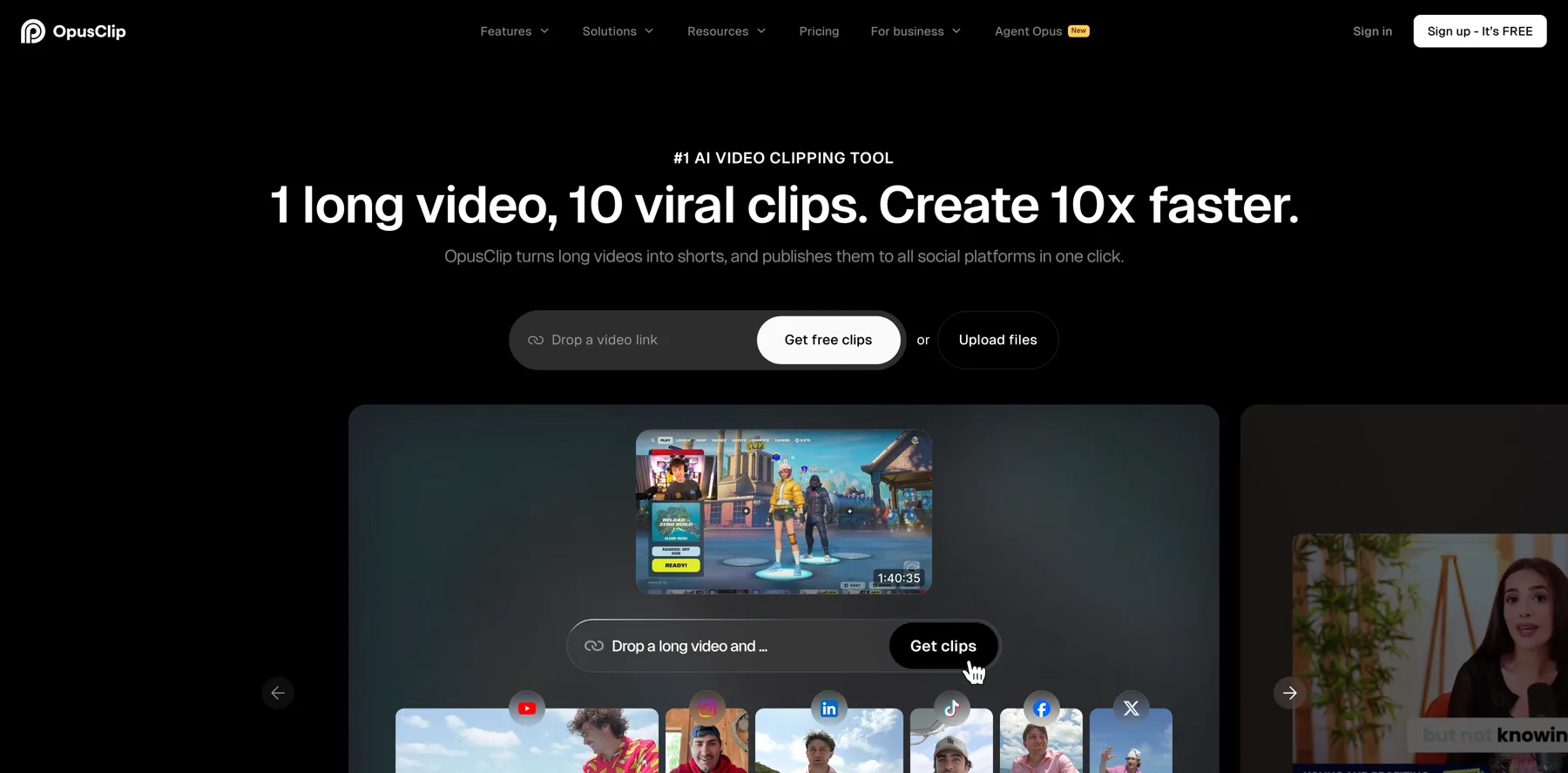
Jan Koch: As an honorable mention, let's also bring up Opus
Navid Moazzez: Pro. I love how you say honorable mention.
Jan Koch: Because Opus was, uh, we were really, really happy about it in the beginning, but then it started giving us a
Navid Moazzez: hard time. I do, I do think it's good, man. I do think it's good, but I think.
Depending on what you're looking for, I think it's good. I think you can get some stuff a lot easier. Like, I think for our use case that we needed something really quickly, it didn't really Work as well. Like, I mean, we, we were also really specific of what kind of clips it put out there. Not just any clip.
And I've seen people who have recommended or boosted it. I don't find their clips that great, to be honest, because they just use the automatic feature. They're pretty BS, to be honest. They're not great. So you have to go in here, have a little bit of human interaction if you want good clips.
And then you have a lot of different templates and stuff like that. So I do think it has its advantages.
Jan Koch: Yeah, one thing that, that we particularly found frustrating while recording a summit that is, it's not for every, like for a podcast, video podcast, this would be good, but you can see that I cannot edit this session anymore.
I have to upload the video again to be able to edit the clips.
Navid Moazzez: I forgot to mention this. That's 30, you have a 30 day window to edit anything. And now, because I didn't know this when I started, I basically dumped everything in there because we had a lot of videos to edit at the same time. And then basically, I mean, I didn't lose a lot of money, but it's still like a hundred some bucks.
I don't know exactly what I paid, but it was something like that for, for one of their plans where you get quite a lot of hours. And yeah, uh, that kind of sucks. So you kind of lost this money. It's gone. They wouldn't be able to extend it. The IVS support. So that, that's a bummer. So that's why you would use something like Riverside, which is included in their plan, which is really nice.
And if you get the two, two months trial, you could potentially use Riverside like completely for all your sessions for free for the summit with my trial, which is kind of nice. Yeah.
Jan Koch: And now that the show notes are done here as well, which, which. Honestly, I think they look really good and they are fast.
Navid Moazzez: If this is better than this, maybe, maybe, hey, maybe we'll use that even because now as we're recording this, we are just about to launch the AI for Creators Summit where it's about to go live. So, we might as well use this if this is, do you find this better than Descript, Jan? 100%. Yeah, it's because they probably have a more tuned model.
This is actually really good. So, you know what you can do? You know what we can do with this? We could actually just, I'm just getting ideas since we are recording this, but we can actually upload our sessions within Ecamm to Riverside. You know, that's possible. So you can actually use, it's like a storage kind of, I mean, it's not meant for this, but you can like put your session there and then you can generate all this kind of extra material in Riverside.
So if you start off using, I think that's where Riverside wins over Squadcast currently, because I find if you want show notes and you want all this stuff, And if you actually get it really good, I would say Riverside is better, but the editor in Descript is better, so I would probably use both if you have the money, if you just want to use one, it's difficult to be honest, you have to try both, and I'm not really for or against, it's just I haven't used Squadcast enough, but I've used it a little bit, and the main thing I didn't like there is that they didn't have If you're not like a photo nerd or something or a video nerd, you will probably know this, but Riverside records in 24 frames per second, which is kind of the normal like film frame rate.
All these YouTubers like Peter McKinnon and people like that, they record at this frame rate. That's kind of what you normally see in the movies. Um, and, and squad cast, they have like the 30 frames per second, which is the TV where it sees everything looks very realistic, which is like, you don't see the motion blur.
that's kind of what a, what the difference is essentially not a big deal to most people. But that's worth mentioning.
Jan Koch: It is, yeah. But let, let's, let's move on. I think we've covered these sessions a lot. Let's talk about. Email and delivery strategies for the summit and one thing we've prepared right here.
So to set the stage, we are now at the point where you want to notify the attendees of your summit. Hey, the summit is starting, let's say three weeks out, two weeks out, one week out, and then you deliver the sessions on the days. of the summit. And one thing we come back to AI for in this context is we take emails we like, this time it's, it's our own email and excuse for ChatGPT messing up the formatting here, but we've copied and pasted.
the welcome email into ChatGPT and said, okay, break down the structure from the perspective of a world class conversion copywriter so that we can then write the delivery email for the first day that announces all the sessions that go live, that link to the sessions, maybe announce a live stream or giveaway or whatever, whatever, maybe a sponsor throws into the ring on the first The, the point of this is you take a structure that works, you take an email somebody spent hundreds of hours and thousands of dollars on to refine.
Navid Moazzez: I don't know if I spent that time on this welcome email, but either way.
Jan Koch: Think about, think about it. You've been doing this since 2013.
Navid Moazzez: Yeah. No, I know what works. I would consider myself probably more a copywriter than you, but, uh, I mean, I'm not a cop. I'm not, uh, I've never gotten paid to write copy and stuff like that, although I did some done for you summits long time ago.
I did that. But honestly, what I would say is they welcome email. I have spent a lot of time tweaking. I didn't use, I'm going to be honest here. I didn't use AI. to write a lot of the emails for the summit. We used it to optimize certain things, yes, but I didn't use it to write the full emails.
I just want to be honest here, because I think it's important to, to note that I have a lot of copy from before. It's pretty easy for me to tweak things. And yes, what I like to use ChatGPT for is to break down structure. I think that's what Jan has done here. That's, that's one of my favorite use cases. If I want to write a LinkedIn post or anything, I go to find my favorite content on this particular topic, or from my favorite experts on this, on the platform, and I say, hey, I like this content, can you break down why this is working, or what's popular, the structure, and then I plug in my own content into the format.
That's what I do.
Jan Koch: Absolutely. So what I can do now with this, because this is a different chat conversation than the chat we started about the DocTraining Summit, what I can do now is I can take this as a guide, copy this into our DocTraining Summit and say, email style guide, Use the style guide above to write a friendly and engagement sparking welcome email to my blog training summit.
And this is, as Navid just said, it's going to be a starting point that you then inject your personality into. And granted, we don't have a name for the summit yet. We don't have an agenda. We don't have a. Speaker list, ChatGPT doesn't even know that I'm Jan who's hosting the summit at this point, but you see the process right here and that's
Navid Moazzez: important.
You can, you can also add custom instructions. We have talked a lot about that in previous, trainings and the AI Super Bundle for the ChatGPT Mastery course and stuff like that. If you add, the more context you can give, the better, essentially. If you give more context, you're going to get better output from ChatGPT or from the, your favorite AI tool. So I don't know if this is going to actually be the best, but it should be pretty decent because you should follow actually the structure of the email you plugged in. So you,
Jan Koch: it does follow the structure to a T without even knowing the source email.
Navid Moazzez: Yeah, exactly. So when you do it, it's pretty easy. You could also do this yourself. Essentially, let's say you are part of, let's say you get Summit Wizard, you get all the templates and stuff like that, you even fill in the blank copy, but you can also use an email that you like from someone else, but you have to be wary of not copy exactly, like, you have to like, redo certain things, write it in your own voice, add your own stories, don't copy completely, I think that's not the best way to go about it, and then everyone is gonna all of a sudden have the same copy on the internet, but yeah, people are you know, reuse some subject lines and, you know, stuff like that from other, others for sure, but what I find really useful and what ChatGPT and AI tools help with is that you can come up with a way to mix them together, kind of, like you can try different things and then maybe you come up with a home run that works really well for you and your market.
I think it's worth testing a lot of things, uh, and, With the help of AI, you can test a lot more things than before, because you have a partner here, a collaborative assistant that you can just use whenever you want. And it's not sometimes free, sometimes really affordable. I think even with Microsoft Copilot and stuff like that, you can even use the GPT 4 for free, right?
But either way you can use GPT 4 in some platform for free, but I would still have a subscription to the plus plan on ChatGPT.
I think it's great. But then again, there's BARD, there's different platforms you can use. There are also third party tools that you can explore as well. We're not going to get into that too much here. We'll
Jan Koch: show
Navid Moazzez: Perplexity in a minute. Yeah, Perplexity. I love Perplexity actually. That's really good. I wish they actually had GPTs and stuff like that.
I think it would be extremely useful if they had some of the features set in ChatGPT.
Jan Koch: Right. And I've just rewritten the email slightly while you were speaking to rewrite it with the focus on families owning dogs. Yeah, that's nice. And this is now so cool. Eagerness to learn about dog training for families.
I would write this differently, but it understands what's in store. You say, don't miss a single bark or wag. This is so cool. And now it has even dog emojis.
Navid Moazzez: It is funny. It's a little bit cheesy, but maybe that works for that audience.
Jan Koch: Yeah, who knows? I mean, ChatGPT knows, because it knows.
Navid Moazzez: I mean, it knows, I mean, it knows what's on the internet.
I mean, I would still put it in your voice. So maybe you're speaking like that, by all means keep it, but otherwise you might want to tweak this a little bit. I think that's really what you want to do. You have a welcome email when someone signs up for the free summit, like we showed you from the registration page.
Opt in form essentially, the opt in, then they go to the next step, and then you have potentially a little bit of a series of emails depending on when they sign up for it, so you can have maybe some resources for people, maybe some extra bonus material that you deliver throughout this little sequence, you can also have how to get the most out of your Kind of all this kind of stuff, like, I mean, if you've been part of the AI for Creators summit, you might have seen some of you signed up quite a long time ago, some of you signed up recently, and then you bought the bundle, whatever.
But, yeah, so that's why it was important to have some emails. If you're hosting the summit just evergreen, you don't need maybe as many emails, maybe afterwards you have more of a More of a sequence to lead into your newsletters and whatnot, that's what you can offer there. But we also have post summit emails.
I don't know what you had there,
Jan Koch: Jan. Yeah, we also have affiliate promotion kit. As we're talking about emails, I think this is also a good thing to talk about. As step six of the summit, which is The
Navid Moazzez: summit launch strategy, the launch playbook. That's my favorite step probably, because that's when actually you start getting some results from your hard work.
Besides actually doing the sessions, I really enjoy doing the sessions, I love the launch strategy, that's one of my favorites for sure.
Jan Koch: Absolutely, and this is also where a lot of AI comes into play, because you can see right here. We've got quite a long document
Navid Moazzez: with all sorts of things in it. It's longer than it looks, to be honest.
It's pretty straightforward. It's because it's swipe copy and stuff, but I Let's give people a tip here, what they can do. We're not gonna go over all the swipe copy, obviously, but you need some swipe copy. You need to make it as easy as possible for people to promote. And I would say, the most of your opt ins and sales, if you have your own audience A handful will come from them.
In my case, I had quite a lot of people that came from my list. But then also we have affiliates, so that's the main areas we're going to focus on. You can also do some other content on the social media platforms. You can use some of the clips to promote and stuff like that, which is great for repurposing.
We can show this in a little bit here as well. But yeah, the promo kit, we can take an affiliate email for example. If you have seen an affiliate email you like, maybe you've been part of a promotion, you can take an email and basically break it down with the same kind of method we showed you before, the structure, and tell ChatGPT to rewrite that for your audience, or for your target market, for your summit.
Jan Koch: Right. I think what's important here is that these emails have these placeholders, which you can obviously tell ChatGPT to put placeholders for personalization and intros and stuff. I
Navid Moazzez: don't like too much with click, the only thing I don't like in ClickUp is with this, I would probably keep this in Google Doc for the emails, because it adds some formatting, which is kind of annoying.
Change that, but I haven't, I haven't heard any complaints, but you know, I know for myself, I complained when I used this myself for my emails and I was like, damn it, it's actually adding bullet points when I don't want bullet points. So if it happens to me, it might happen for some speakers. It's a quick fix, but I would probably keep the swipe in Google Docs and the rest could be in ClickUp or Notion or, or something like that.
Yeah, you could link
Jan Koch: from here to a Google Doc. That would be because it's nice to have this overview here. And then when, when it comes to the socials and using emails for social and you pull up my Google, my LinkedIn, you can see that I have posted a few clips. So this is Amr Awadallah, for example, which is a short that we did in Descript.
From a session with just very simple captions in here that we can use to repurpose, and what we've done is we've built this insane Google Drive folder with 60 subfolders and everybody had like five to, I want to say eight or nine different clips that we distributed with the speakers and then they, they promoted it.
And to be fair, they got really good engagement at times from those posts.
Navid Moazzez: Yeah, no, they like that. And that can also be something to promote Evergreen, because yeah, if you have a lot of these clips, you're probably going to get hundreds of clips. You can get thousands from the longer sessions. We had this from the rapid fire round.
We asked a set of questions like, what's your top three tips to get started with AI and stuff like that. What's your favorite tools, AI tools? We asked questions like this. What's the, what's your take on the future of AI? So we actually had all these answers from the speakers, and then we used that. to repurpose into short form content, in a 9x16 format for Instagram, for YouTube Shorts, for also LinkedIn is taking this format as well, as you can see there.
And, uh, yeah, that's, that's basically what we did. And you can do that from Riverside. You can do that from Descript as well. If you, I think that's a great promo material in addition to the affiliate swipe copy, which you can use, you know, ChatGPT, but I think in general, my favorite use case for a lot of AI stuff is when it comes to kind of this, little bit boring content to create, like we'd mentioned the tags for YouTube, the descriptions, the maybe action guides, you can also mention a little bit of session notes, although it's a little bit more complicated to do it the best way.
I think stuff like that. That used to take a lot of time, that used to take a lot of, cost a lot of money, just a few years ago, transcripts even cost a lot of money to do it perfect. Now, tools like Descript and Riverside, they do a really good job when it comes to transcribing. Yes, they're going to mess up occasionally a word here and there in tools and names, but if you can add it to a glossary as well, and over time you might actually learn from this and do a better job.
Jan Koch: Right, and I've pulled up Perplexity AI, which we use for YouTube session descriptions and for this, these are descriptions on the website, actually, and we use specifically the Claude 2. 1 model because what we found is when we paste in the full transcript of a 1 hour to 90 minute interview, ChatGPT struggles quite a bit to extract all the takeaways and the bullet points and things to talk about inter mention, whereas Claude does a better job with this, frankly, from our experience.
Navid Moazzez: Dunno, if you call this hallucination, I mean, it's a form of hallucination.
Jan Koch: It's a lost in the middle
Navid Moazzez: problem.
Yeah, it is lost. But it kind of, I, what I find strange, and I think that's the problem with AI sometimes, is that it actually makes shit up. Instead, instead of saying, I actually forgot what it, it would be better that it's, I forgot the middle of the interview.
I forgot, I cannot reach the middle of the internet because it's too long. I would prefer that. You're right, ChatGPT
Jan Koch: fills in stuff that never was there. Yeah,
Navid Moazzez: fills in stuff. And I found this with a lot of tools that are creating long form content. I'm not going to mention any names now, but there's for sure, there's a lot of them.
And basically all of them do this, make the same mistake. If it's a really long session, it's going to mess up something along the way. I think it's what I, what happens with a lot of content, sadly, but I think there's workarounds where you can give like more instructions. For example, you can create a GPT around it.
We have done this for session notes. I don't know. We can mention a little bit around the session notes because that used to take a lot of time. And I think AI can speed up this, although we have had some struggles with what we mentioned when it's a really long session. How do we pull this out? Because we had something we wanted to model.
But it was still a little bit difficult to do it really
Jan Koch: alright, so this is a GPT that we've built for Summit Wizard, and it is essentially helping us to repurpose the interviews.
into show notes, with a summary, with the most important takeaways, with resources, everything you would have as a, the most comprehensive show notes you can think of really. And what we've done is we've trained it on existing show notes that we created ourselves, existing show notes from other conferences that we are friendly with, that we could use, and some other guidance on how we like Show notes to be structured.
And then what you can do with this GPT is you feed in the transcript of an interview and it gives the repeatable structure for the show notes and saves you a ton of time with this. That's a really good use case for AI.
Navid Moazzez: Yeah, totally. And for the, I mean, I don't know if you wanted to show something before we wrap up the sixth step for the affiliate copy, how you'd actually potentially rewrite something.
Maybe take one example. And then we have something around AI chatbots for customer support and also what you can do with your student area. your membership to have kind of a chat with, your data and with your knowledge and with everything from the summit. Right.
Jan Koch: Let's do, an affiliate email for Cesar Millan at the Dog Training Summit because obviously our interview was so amazing. We connected so well.
Navid Moazzez: I, I've used this example before in the past with Cesar Millan. I think it's like. I, yeah, this is one of the top dog experts, right? Or whatever.
Jan Koch: Yeah, he is. He's super famous. Yeah.
Navid Moazzez: I wonder if Mitch Asser has had him on, I don't know, maybe he's too famous.
Maybe he thinks the competition is too fierce, you know?
Jan Koch: Yeah. That Cesar Millan can use as an affiliate to promote his session at the family dog training.
So again, this is a very, very broad prompt. Because what we want to do is we want to refine along the way. We are not going to say, okay, write the email and then we're using it as it is. But we say you are a direct response copywriter affiliate marketing expert. So you understand what makes humans tick.
Navid Moazzez: Do you take my past email to just tell them to break it down or?
Jan Koch: This is actually just from the get go, we'll do the comparison with your past email, because as you can see right here, if you do this at first glance, without any references, it's pretty much useless.
Navid Moazzez: that's what it is.
I think it's good to show this, because most likely it's gonna be pretty useless, unless you actually know what you're after, and you're giving it, hey, I want you to start with this, next to you, I want you to actually go into this. You need to actually be really specific. If you want, like For example, the bullet list of the speakers with the topics and stuff like that.
I mean, of course, you might, ChatGPT is not going to know this unless you actually feed it the data. But you can also just add this yourself. To be honest, it doesn't take too much time to just add most of this yourself. It's more like the other sections that might be a little bit to come up with where it's like specific to your niche.
Which you cannot just, for example, copy certain things from my email, then it wouldn't look good for your email in the dog training niche, for example. You might want to tweak that.
Jan Koch: Yeah, absolutely. And that's why, again, it's useful to have the breakdown of the structure first, so that you know, okay, this section is applicable, this section maybe not so much.
Navid Moazzez: Exactly.
Jan Koch: And I've, I've just copied your first affiliate email
Navid Moazzez: into this. Yeah, I think it's enough to show the ex, but just to show people that this can actually be the way forward if you want to use AI for this. If you already have some emails that you're happy with, what you can do and something Matt McWilliams, actually, I do recommend that session on the, on the summit.
He's using the strategy a lot. Because he has so many affiliate emails from all his experience. I don't know how he's been around for over a decade in the affiliate marketing industry and as an affiliate manager as well. So he has like emails from all kinds of industries. So basically what he can do, and he has them tracked and stored and all this kind of stuff.
So he can basically take an email that he likes and say, Hey, rewrite that for this launch. And then it's going to do a good job because you already have the data, you have what's working, but you're just rewriting this. So the more So the more reference material you create for yourself, the easier it's going to be to actually use AI because then you're going to get better output without too much effort.
Jan Koch: Right. So it's always worth building your personal swipe wall. I know you do this a lot, Navid, with all the emails that you receive. And just go back in the video and see like, like two minutes back with the first variation of these emails and compare them to this one right here. This is like night and day.
Then obviously you can take it from here and say, okay, rewrite this with more placeholders and expand and things
Navid Moazzez: like that. Course I do this all the time for social media copy for, I did this for the affiliate copy for the summit when people, uh, post on Facebook, LinkedIn, uh, Instagram, things like that. I did it and it did a really good job.
I tweaked it a little bit after, but did a good job and it was just breaking down a structure. I actually found a post I liked for another summit. That was kind of similar. And then I took that post and said, okay, this is interesting. Let me break this down. And it did a great job. And then I tweaked it for the AI for Creators Summit.
So I'm using, for this, I'm 100 percent following the strategy. Because I didn't have as much reference material for some of this, so I wanted to create something new. And I used this strategy for this, essentially. So, I think this is really good. Let's move forward here, Jan. AI chatbots for customer support, but I think what we are mostly using it for, this is not exactly customer support, but you can use it for customer support as well.
I think there's platforms like Tidio for example, that's a great one if you want to have like an AI powered chatbot. And HelpScout is adding AI features for customer support as well. But I think the really, really cool thing you can do here, if you have a lot of content like AI for Creators Summit and these bundles, To use a tool like Searchie.
. All right, here you can see in the sidebar, you can see Searchie. This is actually, Searchie Wisdom, which we are using for kind of the AI Creators GPT or knowledge base, if you will.
You can use tools like CoachVox AI for this as well. We're gonna show you a little bit inside of Searchie too what this can look like, but for now let's just showcase actually what you can do with this. Basically, you feed all the data, like the videos that you have from the summit, from your Super Bundle or the All Access Pass into a tool like Searchie.
So, and then you can get basically the answer. So if you want to ask something in the members area, you can do that and then you're going to get a written response and Searchie has improved quite a bit as of late before the output was not always the best, but I think it's improving and it's going to just get better and better.
I think, as we go along, any AI tool is going to get better, basically. And what I think is cool with Search is that you get a video reference because they started as a video platform. basically you can search for any video content. That's how it started. Now they have added a lot of AI features with Searchie Copilot and, Search Wisdom, which this chat bot here is.
And, basically you can pull up the video answer. Which is really cool. So if you go into it, that's basically how it works. It's really easy to set up. So if you go into Searchion, then we can showcase this really quickly for everyone. So basically you just set it up, you decide your name, then you can have a little bit of your branding, you can have some description, then you can feed your data.
So what I think Searchion lacks is customization, to be honest, like in regards to, can you customize the voice? No, you can't. That's CoachVox AI. You can actually customize the voice more. So if you're speaking to a very specific audience and you actually want something, like you want the AI to respond in a way that it really sounds like you, probably Searchie is not going to do that.
Because right now as of time, at the time you're recording this, it cannot. But I do think based on what I mean, I think Stu would want this. Stu is one of the co founders of Searchie. I think he would want that it's going to be customized so it can actually sound like Stu when you're chatting with his.
But, people are actually monetizing these individually as well, so you can sell access to some of this for like 9 a month, 20 a month. Because that can be actually you upload your knowledge, basically what you have acquired over the years, and they are selling that. That's actually already a use case of this.
We are including this in the Super Bundle. So that's an additional value. We also have another one in the AI Profit Booster. So we actually have two of these, depending on kind of where, in this one we have a different one. For example, we uploaded the AI Virtual Event Blueprint, and we have the Newsletter Secrets as well. We have some different classes there. We uploaded all this information and then we can add a pre set of questions as well. And that's basically it. I don't think there's too much more to it. And then you can embed this little widget onto your site. And there you go. And the people can access this in your members area and you can create more of these.
You can have this also on your main website if you want to, if you want to have something for these people, but it's not, I wouldn't say it's like a chat bot, so you can actually direct the conversation, like here you just upload information, I'm sure there are other ones where you can actually have more of a conversation, organic, and you can actually have set answers, that's more also in the line of customer support than, I don't know, there's tools like WonderChat, there's of course, Tidio and platforms like this, which is more in the line of customer support a little bit.
I think you can do more customization there, but I think what's really cool with this is the video access. I think that's what some other platforms may lack, and I know search is coming with that you can upload also documents in the future. So I think that's going to be really neat when you can upload like a PDF or something like that and not only video content.
That could be great for knowledge base, content, if you, I know Stu has used this for this purpose for a launch. He wanted his team to have access to his brain, but he was really busy. Like he wanted, the team wanted answers from Stu, then they created like a little widget in search of wisdom, and they actually got access to Stu without actually speaking to him.
So I think that's. That's pretty valuable. I think, this is something to explore. I think in the future, this might be that you actually can see your You can have your own face popping up, you can have audio with, you know, there's tools like Hey Jan, 11ElevenLabs I think some of this might be built into tools like this in the future, or they might come up with their own solution.
I think that's kind of a little bit the future of what we can expect. That's already possible, but I think when all these tools are talking to each other, and they actually, they work in synergy, I think that's when we have actually succeeded with a lot of this. And actually giving our audience, our customers, have a better experience.
I think I'm really excited for this. Yeah, I don't know if there's anything else in regards to this, Jan. I think, I think there's a lot to do with it, but I do think it's an easy way to add some more value to your members, so definitely explore this if you're doing any form of paid programs. I think just to speak to this, where do we host our content?
This is our, if you go back to the membership, we use, LearnDash and BodyBoss for this. What I say is the best. If you use WordPress probably is one of the best. There's other ones. Thinkific, I don't like all of, I think every platform has some issues here and there. I think you just need to stick to something that works.
If you are really on a budget, you can use ThriveCart as well. I think they also have some issues from time to time with certain things is not the most, you know, advanced membership platform, but you can stick with something. That works for you. There's a community platforms like Circle. That's really popular these days.
Skool is really popular. But yeah, if you're using WordPress, I think LearnDash is kind of what I've used for a lot of my time online. I just wish they integrated more AI features so you can give more of a Netflix experience. Like when you're coming to the homepage, you would actually get something based on your interaction.
Like if you're going on Netflix and you're watching a movie, Or a series, you're actually going to get recommendations based on that. Without actually Netflix asking you any questions. You're just going to know your interactions on the site. I think that's going to actually be the future of memberships and courses.
When this is actually easy to implement. I think search is going in this direction a little bit. I think that's What Stu wants to accomplish, but it's a little bit still complicated. So I would, hopefully some tools are adding this in the future. So that's what I would say around this and the repurpose. I think as we are in this step, I think the repurposing is really important for the launch.
We talked about this, like to create the shorts. I think we covered this quite a bit and that actually feeds into. The next stuff, which is the Summit Growth Strategy, that's the last step, that's kind of when you have wrapped up the summits, you have seen some success, you're getting your leads. You're getting your sales right, but then what do you want to do?
You can turn the summit evergreen. Like if you go to the summit registration page, Jan, I think that's really really cool what you can do with it, if you go up there a little bit. So you see the dates, you can actually have a dynamic trigger. So every time you come into the page, You can update this. I mean, it requires a script to probably include something like that in Summit Wizard in the future, but you basically just need to update the site every time someone comes to the site, the summit starts like one or two days later.
We have done this in the past, it works really well, but I think with the Super Bundles, this can work. Even better. And I think something else we wrote down, which is repurposing the micro offers, maybe you can speak to that a little bit because we even have a full training inside of the AI Profit Booster Bundle, which I highly recommend.
This one is really good. So how you can do this really quickly to create these offers.
Jan Koch: Yeah, absolutely. So, these offers are based essentially on the topics that you cover at your summit. So that's why I'm pulling up to the agenda right here. You could take anything that you cover at your summit and turn it into a micro offer.
You could, for example, we could reach out to Mark and say, Hey, would you be interested in teaming up and doing a live workshop? That could be a live program that then turns into an online course or whatever it is, and we split the profits on that. You
Navid Moazzez: can split profits, you can also split leads, you can also pay them if you just wanted it from your end.
I mean, there's many ways to do this, we're not gonna get into that too much here, but the opportunities are endless. And then, but at the end of the day, when you have done a summit like this And you have used AI in this way we have taught you here in a very authentic way. We don't use it for everything, but a lot, a lot of the steps you have AI built in, basically baked into the process.
And that's how you can do things a lot easier, more efficient. You're going to save more time, so you can actually do, create more content. Because we have noticed even with some challenges with the tools we have had, we've actually been able to still do more than we probably would have been able to without AI, I would say so, even though we had some challenges here and there, but yeah, so I think that's the main thing when you're getting to the growth strategy and also Something I would say, do the unscalable things as well, even in the age of AI, like, write your speakers a review, do some things to continue the relationship, deepen the relationship with your speakers, if they have been helpful, or you find that, hey, they were actually a good partner, even if they didn't promote or whatever, they are a big name, maybe you want to Build that relationship.
Maybe you want to go into promoting some of their offers as an affiliate. I would say something important that is to communicate your list after the summit. I think a lot of people neglect that. launch a newsletter. That's the easiest way. Have a weekly schedule to send one newsletter a week. Brian Berni is a great example of this.
He launched a newsletter for his fiction authors after his fiction marketing academy summit, uh, or the novel marketing. And I think. What he's done is really cool. He's actually getting sponsorships. Circle is sponsoring his newsletter and paid like 1, 500 bucks for like two, three emails or whatever.
Maybe it was four emails. I'm not sure, but either way, his list is like 13, 000 14, 000 people only, so he's still getting paid from companies, prominent companies, to sponsor his newsletter.
Jan Koch: I think what's really important here to keep in mind, friends, is that you are sitting on a gold mine of content, and what I would do is, at the end of the summit, like, obviously you would want to rest for a day, because it can be quite intense, but then when you've recharged, it's Take a good look at the metrics, see which sessions got the most attention.
Also look at the retention rate. If you can measure that, we can do that because we are on YouTube. You can do it quite easily to see, okay, what's the, what's the average view time that guides the topics that you should talk about. Post summit that guides the micro of us that you can create. Like when I pull up this document here, this is real behind the scenes stuff.
This is how we map out all the different products that we could do and want to do and have done with the process of AI that I've just showed you earlier, where, where it's about outlining and then expanding with your own knowledge. But what you can do is take the best performing content. Create like a 97, maybe 2.
97 product around that. See who else is speaking about this topic that's relevant that you could continue doing interviews with, for example. See what are news related things that you can cover in an email. Maybe build up an evergreen email sequence. And then you promote those micro offers to your audience.
Navid Moazzez: Yeah, no, I couldn't agree more and I'm going to talk a lot more about some of this and I'm going to do an in depth session in Summit Wizard for this, I mean this was very focused on AI but I'm going to get into it Basically, each step really in detail, that might be like a three, three and a half hour training or something like that, where I dive deep, that's gonna be in SummitWiz, and also we are probably at some point gonna go, go into a more of a coaching program or some kind of accelerator for VSM, where you can actually learn this process, if you are interested to host summit, summits with our guidance.
Even if you just take some of the information we have shared here in this session, you're gonna be better off than most people. I think some of the stuff here in the age of AI you can do is really powerful. It's just a matter of you using it responsibly and, doing it for the right reasons.
And yeah, we have more support if you want it with Summit Wizard and the future Virtual Summit Mastery. We'll link up some resources below and some other things we talked about. We went into quite a lot of tools and I think you If you found it valuable, let us know in the comments as well. Let us know what your biggest takeaway is, what summit will you host.
I would be really curious to create a little bit of a movement of people who want to host their own summits and actually enter any market. Because that's what you can do with summits. And this is not just some hype or some BS. People are This has actually been working for the last 10 years, and we have just innovated year after year with this.
And I think it's working better than ever, to be honest, to connect with people and create all this kind of content you want for your different platforms. So, really enjoyed creating this session with you, Jan, and I'll see you guys very soon. Ciao for now.