AI Affiliate Marketing Secrets
Navid Moazzez: Welcome to this AI Affiliate Secrets Workshop. I'm really excited for this one because affiliate marketing has been a huge role in everything I've done since the early days. Actually my very first Sale online was an affiliate sale back in 2013 I think it was for Bluehost. Maybe Jan can share your first affiliate sale as well But I remember this was I just had some content or maybe I did a direct referral sent a link to someone actually, like a peer or a colleague or something when I started out and they signed up for Bluehost.
I got 65. I was, uh, I felt like, wow, this is really cool. I can make money online basically. So affiliate marketing is a pretty easy way to get started. It's not easy to make, you know, maybe a full time living doing this, but at least can be a side income as you're getting started, or maybe that can be a side income to what you're currently doing in your business.
So Jan, tell me a little bit about your experience getting into affiliate marketing.
Jan Koch: Yeah, I think it was around the same time in 2013 and it might not have been Bluehost, but definitely was a hosting company that I got my first affiliate sale from. Back then I was still building websites, so I referred all my clients to a hosting company that I liked and then had them sign up with their own accounts so that I get my affiliate commission.
And it is. I think it is underestimated how powerful affiliate marketing can be to add some additional revenue to your income stream.
Navid Moazzez: Yeah. And affiliate marketing essentially just recommending a product or service you might be using in your business. That's the best thing when you're using it actually.
And then referring someone else to this, like can be a tool you're like ConvertKit, or a podcast tool or whatever that is or can be a supplement or anything food even like anything you might be using in your business like Amazon is the biggest affiliate program in the world not the best commissions but that's usually what people get started with you can refer a book send it to a friend and then anything they buy in the Amazon Store within a certain period of time you get basically a small commission a very small one.
I prefer software because usually they pay 20 to even 40 50 percent sometimes or courses and things I have been using in my business. So, but we're going to give you a small win as we're getting started here. Uh, we can actually showcase this. This is something I set up from the very beginning. and this has made quite a lot of money, over time for me.
And, and I know a lot of others have done the same. So this is what's called a resource page. And it's very simple to basically share your favorite resources that's relevant. To people in your industry or your audience essentially and that's what they are doing here listen money matters And this this is using a tool called Lasso which we use also for to collect all our affiliate links within WordPress That's probably the best tool to do this.
There's a few other ones but Lasso is the best one to do this. You can even track revenue and stuff like that with Lasso. But this is just a simple collection of these links and then you can build this out within Lasso. It's really, really easy to do. It takes just a few minutes to set up something like this.
Jan Koch: Yeah, so this is what lasso looks like and it's quite affordable as well. It's a paid tool because of the advantages that you get like you you can track all the revenue and things like that It is super affordable though And what I would say
Navid Moazzez: is premium one like for these like but they do so much more lasso started out Similar to thirsty affiliates, which a lot of people have been using before and even Pretty Links pretty links It's just a link collection.
It's just links I would not use it. That's what I used in the very early days. I don't use that anymore. I don't even use Thirsty Affiliates, although I know a lot of people used it, like Adam M. Froy, we mentioned in the blogging session. Uh, he's using Thirsty Affiliates probably because he's not maybe too familiar with Lasso somehow.
I don't know. But, uh, Lasso is by far the best one. They have so many great features. So if you are using affiliate programs from Impact, for example, they have so many different ones or partner stack or. Uh, even share a sale and these kind of networks, then you can actually sync up Lusso to this. I think that's what I'm really excited about too.
That's a newer feature they have added, and I'm sure they're going to add more networks and stuff like that. But, uh, just on the simple side, you can do this. Kind of, uh, link collections and, uh, boxes and comparisons and a lot of different things that you can have. And I think that's what's really cool. Uh, I think Thomas Frank has this here.
This is Lasso basically. You can, you see, these are Amazon links, actually. I'm sure he has. Basically taking and then
Jan Koch: you're updating every 24 hours.
Navid Moazzez: Yeah, they update. So I have done the same actually for a lot of gear I have. But this is the easiest way to do this actually. It would take you quite a long time to style something like this if, if you didn't use this plus, imagine it was out of stock.
Imagine it updates. Well, Lasso is basically checking to Amazon and they update this automatically. If it's Amazon links, you can of course do this for any tool or resource as you saw in the other example, but especially for stuff like this is very useful. If you want to show gear or anything you're using, maybe you have some supplements, if you have a health blog or whatever that is, then you can showcase this here, your favorite protein powder or whatever you might be using in your workouts.
You can showcase this in this way. It's a very nice display. And then I also use it for books, for example, from Amazon, because then the updates. So if I have a post and I randomly link to a book, then I can put this link to this little display because it looks nice. It's something that stands out. Then people are gonna pay attention more.
So if you're writing a post with the best gear and you have, this is just a collection here, but you might actually just integrate this within longer pieces of content too. I think that's just adds a revenue stream because this is within AI profit booster, right? How do you add revenue to this? This is like small wins you can add throughout your site to actually make money.
Jan Koch: Yeah. And if you don't know how to get started, you simply copy and paste the link to an article or a review format that you like, like this, this post from Thomas, for example, you hop over to ChatGPT and you say to ChatGPT, break down the structure of this article. With its affiliate links and explain why each section is built the way it is.
Turn this into a formula so I can
replicate post for my own blog.
Navid Moazzez: Yeah, this is just an example with Thomas. I don't think he ranks for this or something like that. So I would take this with a grain of salt. It's just to show you. We are going to show some other ones that actually might rank. In Google, I think Thomas did it more as a resource to his community, which is also Yeah,
Jan Koch: he has this major atlas.
I think the creator atlas, what he calls it. It's a part of the series.
Navid Moazzez: Exactly. This is like what he's using. And this is more of a resource. I mean, maybe he can rank for this at some point if he builds links and stuff, but Either way, it's a good resource to his audience. And that's, that's also not to be overlooked because you can create content on your site that you can actually send to your email list and stuff like that.
So not all content is just, okay, I'm going to rank for this immediately. What if you already have an audience? Well, you can create content on your site and then direct people to this content, which builds authority, trust, and all this stuff you want to do as you're building your business. Right.
Jan Koch: And somebody I would always pay attention to when it comes to affiliate marketing is Adam and Freud, because he's ranking for some really competitive terms on his blog.
So we could do the same with this article from Adam, and then you can, you can essentially model the big players and you'll see this is 21 best online course platforms of 2024. This is a beast of an article and you don't need to start out. This long, but you can take elements from what Adam does. For example, he always has this Adam's take that we also mentioned in the in his best ones.
Navid Moazzez: He usually do this. I've done this before as well. I and not and something to talk a little bit about here is the different types of content, especially when it comes to written content. I think the small win we talked about the resource page have a page where you can link up different. tools and resources you're using in your business.
This you can do with Lasso. You don't need Lasso for this. You can also just, you know, create, whether you use Elementor, Cadence or anything like that, you can use this too. Uh, of course you need a website, you need a host to have this kind of stuff. We talked a little bit about this in the AI blogging mastery one, but, uh, yeah, that's, that's the first step.
And then you have a few different types of content you might create as an, as an affiliate marketer or someone to you, someone who might, who want to use this in their, in your business, that's the best of article, maybe the 10 best website builders, for example, or Yeah, this is one on course platforms, which is great.
So you can do this. it's very simple, the headlines. 21 best online course platforms of 2024. My top three picks. I mean, doesn't need to be that complicated, to be honest. So that's what you do. And then you have review of a single tool. So maybe you like, Thinkific, which is the case here in Adam's article.
Then he writes uh, an in depth review about Thinkific, and that's one type. And then you want to compare Thinkific with Teachable, then that's a comparison article, Thinkific versus Teachable. And that's kind of the types of content, uh, you want to create. Now there's, there's one more, alternative.
That's kind of like a review as well, or a kind of a comparison. But let's say a lot of people have been searching for ClickFunnels alternatives for the longest time, because maybe they don't want to pay the subscription fees. Then you can cover other tools in there. Maybe you cover Kartra Maybe you cover Groove Funnels or Groove Pages and all this kind of stuff that's kind of how you do this and you will like you might not cover as many maybe you cover seven ClickFunnels alternatives You need to know in 2024 or something like that.
Now you can't miss in 2024. And then you, you have an article like this. And I do like when you have, if you go to one of my articles, you can see how I've done it in the on the Creator School. So here you see an article on my site, similar to Adam's. I like this top piece. This is a little custom, I must admit. So it's not something you will get out of the box. Uh, but you can, you can aim to get to this at some point for sure in your journey that you have very organized.
You see like the top five tools up there, you can have top three tools or whatever. And when you have a review, you can put like a box up top. It's basically, it's a CTA and we are talking here about some ways to profit from, uh, from your efforts with AI and things like this. Well, when you have this up top, it's going to be a higher likelihood of someone clicking through than scrolling through this entire article.
Because some people, they are just coming to this post and they're okay. I like this. I want to click through and they, I want to check the top tools only. And they might not read the entire post. The reason you might have more tools in an article is just to have, you know, some, it's a little bit longer.
And you don't need 21 necessarily, like I have here. You can have like, start with 7, start with 10, 13, something like that. Smaller number. And then you can go from there. But the structure is pretty similar though.
Jan Koch: And here's an easy win when you, when you go back to this toolbox page here, you see that they have a review linked for most of the tools.
So if you don't really know what tools to review, start with the ones that you already use and that you have linked on the resource page. And then this also helps with the internal linking structure, of course, guide, help helping to keep people on the website, which is a super important ranking factor.
And then you've done this as well here. With the full review?
Navid Moazzez: No, this is just going down. I think if you click on it, I think they should scroll down in this case. Ah, I see. Okay. But then if you go, if you go further down, I can show you an example of this. If I have this here, if you go down, uh, okay. So this, I didn't have the lasso box here, but usually I've had in other reviews, I've had lasso as well. here probably didn't add it yet. Uh, yeah. So I think it was on my other side because I just moved some of these posts to creator school, but before I had also lots of books, you can actually link to. The review full review if you have it on your site and that creates this internal linking But if you go back to this, uh, listen money matters.
I think that was a cool thing They are doing it. I believe this might be a lasso if you click on a on a review go back to the review Yeah, I think this might be a lasso box or something or similar at least it looks quite similar But either way, this is what I mean where you have something prominent up top for your views And that's basically created you have like really there you have a description you have pros and cons And then they can click through to the tool when you have an individual review.
I think that's really, really powerful. And they even have a comparison here. So we can even break down this post. Like we can do this on the fly here. That's just, let's see, let's say we want to create something similar for our brand. and then we, we might break down what they have done.
Jan Koch: Please do a detailed breakdown.
This review post. Outline the structure and explain it in detail. That's one of the best tasks to give to AI.
Navid Moazzez: Yeah, especially with ChatGPT, we use it a lot for these breakdowns of structure and things like that because we want to create something repeatable that we don't need to think too much every single time because that's tedious.
That's why a lot of people quit doing this stuff. I think. With this process we have developed, even Jan has mentioned before, it was hard to stay consistent. Even for me, it was hard to stay consistent. Some, some periods I did really well, like I publish all the time and then I got like burnt out with this process and I didn't do it.
But with what we are sharing here, it's a lot easier to do this. And we are going to also show you. in a, how we can do this with video. Like if you prefer this and then how you can take it to, to a written piece, but here you go. You have a pretty good structure here, actually, you can follow and you need to find something that you like every affiliate marketer Content online, they're using slightly different structure.
You have to kind of see what the headlines and stuff you want to cover, but it's a few things that is always the same. What is X? What is ConvertKit? pros and cons of ConvertKit. Who is ConvertKit for? How to use ConvertKit or ConvertKit features. For example, I'm just talking about this in general, but it would be the same for any tool you, you will use.
ConvertKit pricing, how much does it cost? FAQs, like the top questions about ConvertKit in this case. Uh, and then a conclusion. I mean the conclusion is really simple. that's basically how I would do this for every single thing. Even if I'm writing a review about a course. Let's say I've taken a course from Stu McLaren.
Uh, his uh, membership experience course. I believe on My site, I even have a review about when it was tried before and then he's changed it. I think that's the same approach. You might add some testimonials that he had. You can like add some rich media to it. Maybe you have an interview with Stu in this case.
You can like add in a lot of this content. It is the same when it comes to, reviews about software or if you have used a fitness product like a jump rope. I like Cross ropes, for example, that's my favorite jump rope. I'm using I could I mean, there's actually a really good jump rope youtube channel Maybe you can showcase this.
Uh, it's called jump rope jump rope dudes it they make a a lot of money from affiliate marketing or like Basically partnering with these brands essentially that's kind of a form of affiliate marketing And if you look at the descriptions, maybe you can check a video without playing it here Uh, I'm sure it has a lot of affiliate links or, or for sure about jump ropes or cross ropes.
Do you see cross ropes? Yeah,
Jan Koch: yeah. Cross rope first link.
Navid Moazzez: Yeah, there you go. Cross rope. So this is like the best jump rope, I mean, I have, I generally believe it's the best jump rope too. So it's, it's not wrong about this. I think it's really, really good. I think even I found it through them initially and I probably bought through their link because they had a collaboration with them.
So I, I definitely contributed a little bit to. to their money. But you see here, that's a great way. I don't think they have like a blog or something like that as much, but that could be a lever they could actually pull to bring in even more revenue because he has so much great content on the YouTube channel.
Imagine if all of this were on a blog form. I don't think they do have much of a blog. I think they have an app and some fitness programs and stuff like that. Maybe they do put some stuff there. They
Jan Koch: are opening up again, as it seems. Yeah, they're putting some work in here, but it's not, let's
Navid Moazzez: see how that looks.
Jan Koch: Okay, it's not, it's, it's not, not blog content in the way we would provide it. I think
Navid Moazzez: it's not the best. I do think he has so much potential if he would put like this in an SEO optimized way on the blog, similar to what he does on YouTube, because on YouTube is really good. Imagine you put that on the blog in the same way.
yes, goes to show anything can work. Doesn't matter if you're in the marketing space and talking about, tools like ConvertKit and these AI tools and stuff like that, uh, or courses, to make money, doesn't matter. There's, there's, in any industry, there's affiliate programs that you can join.
And I encourage you to actually type in affiliate program for X, you know, you can even see this on Lasso's website. That's a great resource. If you go to Lasso again and go to their footer, I believe they have a list of basically all their affiliate programs. And that's actually a really good resource for affiliate marketing.
Yeah here you see they have a list of like ten thousand six hundred seventy seven best affiliate programs of this year Uh, I mean you can find it in any industry So we can link this resource up and you can just basically find a lot of great programs If you're in different industries, I think this is a good one to just get started with to just join some programs but I think they Join some of the big networks, like sometimes Share Sale is good, but uh, the impact, I have a lot of affiliate programs within Impact Yeah.
That I'm using. Partner Stack is good for SaaS and marketing software and things like that. So that's where I would kind of start with this. So you just get accepted and it's a little bit harder in the beginning when you don't have any brand, but if you write a good description, what you're doing with this.
You can't even say I have an audience of a few thousand people. I'm looking to do x, y, and z. I'm looking to promote it on the, on my blog and my newsletter. You will get accepted to quite a few and then some more competitive ones might take a little while But it's not that difficult to get accepted in the beginning and some don't even have an approval process They just approve you right away
Jan Koch: Yeah, I think it's also important to just jump into the water and just get started and also learn how to create that content I mean you've mentioned a few different types of posts and honestly, I would Do it the process for each one in the same way you find a really good post online from one of the big names, you put it into a I break it down so that you can adapt the structure to your liking and don't just take it one for one, but add your own spin on things.
Maybe you can add when I look into this overview here. Maybe there's something where you can add a personal take, for example, which you always should, I think. Or there's my personal experience section with a tool that is not listed in the AI lists. And then what I would do is, the next step is to think about, okay, how do I get eyeballs?
Onto this content. So this goes then into the promotion type of thing and you can do this with seo Or we've also talked off camera about using video marketing and even faceless youtube for that I would love to hear your take on that navid
Navid Moazzez: Yeah, so let's talk about a few tools you can use and we mentioned this in the ai blogging mastery workshop.
Uh, Before we get into the video. I think semrush should be semrush hrefs ubersuggest answer Uh, the public's tools like that are useful when it comes to the written content, content AI by RankMath. We can show this a little bit like for writing the content, content at scale can do affiliate posts as well, pretty well.
And, uh, something we will cover a little bit is bonuses, but we'll leave that towards the end. What you can do with, you know, adding to the stack, like if it's very competitive, you can actually add bonuses, to encourage people to sign up. And that can go via email marketing and stuff like that. But I do like when it comes to the faceless videos, there's Heygen, Synthesia, tools like this you can use.
I think that's just a matter of scaling what you're doing. You can also translate content like this with 11ElevenLabs and tools like that. I think it's just. The opportunities are endless and that's why it can be very overwhelming in the beginning You just need to decide from what angle you will take things.
Maybe you don't want to be on camera Maybe you want to start a youtube channel talking about different tech or different Online business tools or whatever. That's fine. You can do that. Maybe you will just create I mean something we talked actually off camera a little bit about is whether or not it's ethical to clip content for this.
Because people are doing it when it comes to inspirational content. You know, when it comes to 10 laws of, this person, or 10 laws to success by Robert Greene, or like stuff like that. People clip this all the time, and that's usually fine to get millions of views doing this. What about if you took content from different experts and maybe even the founder and things like that and you compile content about a software or a tool or whatever it is that you're doing, it can be about anything, by the way, and then you have a 30 minute video or something about it because longer videos do really well on YouTube to some extent, if it's well put together, and then you have a higher watch time and all this, that's maybe up for debate, but I think you could potentially do that.
Of course, you're not gonna say it's my review or something like that. But you can potentially take content from other people and, uh, of course, within the fair use policy on YouTube, if it's possible, and then clip this, that's something up for debate. I'm not going to say you should do it or not, but you have to do your own research.
But that's a similar concept as you're actually taking these clips, like even Carmichael and even Think Media. I think they have a lot of their own clips, but I've seen they actually take clips from others as well for some of their videos and they make a longer video. Like, for example, they had. One with Mr. Beast's YouTube tips. I don't think it was all right from Think Media I think that was from a lot of different people and they clipped this and they obviously monetize this as well So I don't think you will get demonetized necessarily if you're doing it the right way If you're doing it the wrong way and using too much of other people's content, I think that Might be an issue.
So be careful with this, but I guess it's a little more of an advanced strategy to do this But because you need to know what you're doing a little bit But I think it's still really powerful or as we mentioned you can make faceless Channels and you can just have an avatar. Although I think it's very impersonal I I would not do it, but I think you could also get another talent on the videos For example, that's another way to do it.
I have not done this personally, but that's something you could consider. I would probably still start with video in many cases, like, because the same structure applies, if I want to do a convert kit, review, it's pretty similar to do a written piece as it is to do a video, I would cover more or less the same things, of course is more structured when I'm just writing a post, but I would cover more in video because like when we are speaking like this, we are speaking more natural and people will be more engaged. And then I can turn this into a structured piece and embed. this video into the post. So it's more rich media and people stay on the site longer, which means my review will hopefully rank better and faster in Google, even without too many backlinks and stuff like that.
Jan Koch: Yeah. And in video AI even has a GPT where you can tell ChatGPT what the video should be about. And I should have an account there. So
Navid Moazzez: this is pretty cool. I, I do think stuff like this is pretty cool. Um, would you use, would you think this would work well? As a faceless channel to make for affiliate marketing, give me an example how you would use this Jan.
I mean, I think that that would be great for the people watching this.
Jan Koch: I would use this as fun and entertaining content. I don't think this would work well for educational content. I mean, I'm creating a short now, so there's only one tip that you could give in a short realistically anyways, but I think for Fun content, just giving people a break from their day to day, the shorts could work quite well.
I watch quite a few faceless YouTube shorts every now and then. For long form, I think it's more tricky. You would probably use something like 11 Laps to narrate this well, and then you would use maybe Canva and piece of video together in Canva with video generator graphics, so that you have the text on screen laid out properly, and you have a beautiful slide design and B roll and things.
Navid Moazzez: I think affiliate marketing is very personal too. It's like you share personal experiences. That's what it is. So just because you have a link in a description doesn't mean you will make sales. You have to have the right intent behind it. Like that's what we talked about in the AI blogging mastery session.
Like Google wants a certain piece of content. It's the same thing when people are coming to a video or whatever it is. They want to get, uh, they want to get your experience. Like if it's coming to a review or a demo, they want to hear how do you actually use this tool in your business? Or how do you use this to optimize your health?
Or, uh, jump rope, how is this helping you? Like with the cross rope we mentioned before, how is this helping you? And they want to see kind of the features and all this. And I think it's difficult for a robot to just emulate this. I think it's not going to be that easy. It's going to be very monotone and things like that.
Jan Koch: Yeah. You have, you have to be a really good script writer for faceless affiliate marketing to work. I think what's a good example to, or what's a good thing to look at is how Think Media, for example, structures the channels around different products. So they make a lot of money, like 600,000 views here, 90,000, 340,000.
I can only imagine how many affiliate sales they are getting, even four years.
Navid Moazzez: For the cameras and stuff. I mean, they, they are basically having, there's the top tier in Amazon to get like camera sales and stuff like that. And plus you get other sales, but. Again, Amazon, they got a low commission rate, but if you get a lot of volume, it's still going to be pretty good.
I'm sure they're getting five figures a month in affiliate commission from this channel, just from affiliate links they have. I mean, that's pretty incredible when it comes to Amazon. They are not, Really promoting a lot of other stuff, maybe some now, now they are doing some with AI tools and with IQ that they have higher Commissions, but I do think the highest viewed videos They are usually actually the ones talking about cameras and stuff like that because that's what their audience at least on Think Media They did like that type of content when they do studio breakdowns and stuff like that I feel this content is really popular on Think Media
Jan Koch: Here's another way.
You could use kit.co. Yeah.
Navid Moazzez: I use this as well. It's great.
Jan Koch: Nice to showcase what you're using there. And that's what Sean seems to be using. Yeah, no, no surprise. The big short camera right here.
Navid Moazzez: It is an extra step to link from a link to that from the YouTube. But again, you have different platforms. If you see here on one lens, if you go back to kit, you can actually see, uh, at least if you can get accepted to some of these affiliate programs like BNH and these, they're not always that easy to get accepted to Amazon is the easiest to get accepted to by far.
But you can actually have different platforms there. So everyone will not buy their lenses or camera gear from the same amazon. com, right? They will probably go maybe to B& H or Adorama or. Some other camera store and maybe even local, I don't know how many kit supports, but it seems like they support a few and maybe they can even direct you to the local Amazon, like Germany, for example, that you have a different Amazon than us.
So they will direct you. Even Sweden have a different one now. Uh, Dubai, UAE has a different one. So yeah.
Jan Koch: That's what they do with the genius link right here in the video description. They use a genius link to always. Direct to the right location.
Navid Moazzez: That actually good. I sometimes it's annoying because some, uh, some of these things are not available locally, so you cannot even see it.
Then you need to go to like amazon.com, but at least I think in most cases, when it comes to cameras and stuff, it works pretty well and it will actually direct you to the one that you can use.
Jan Koch: Yeah. And here, here's the video while we were talking, the video was rendering, and this is just one prompt from a GPT.
for that, I think it's pretty good.
Navid Moazzez: Yeah, I mean, I think this stuff will get better. We also saw with OpenAI's announcement with Sora and stuff. I'm sure this stuff will be scary good. And it's already really good. It's just the use cases, the real world use cases, how creators would actually use this for certain things and not just being a gimmick that it looks fantastic.
But how would you actually use this? I think time will tell a little bit, but I think we can see a lot of use cases for maybe B rolls Yeah. Yeah. Stuff like that. And also these other AI tools like Opus Clip to basically spread your content, repurpose longer pieces of content. I think there will get better and better when it comes to adding the B roll.
So actually making more engaging content. And, and while I do still think you're never going to replace like a really good editor, I think it's going to be to a point where, you know, a newer creator can just use a tool like Opus Clip and be fine with this. And people are not going to really say, okay, this was just.
You know, basic, this is actually pretty good. I think we'll get to that point. At least In the near future, I think we'll get pretty good.
Jan Koch: Yeah, I agree. And I think what we'll see soon is that those video engines are becoming, uh, Yann LeCun, Chief AI scientist from Facebook, coined this yesterday on, on, on X.
He said those are world models. It's not about when you think about AI video creation, the AI has to understand. To a degree the underlying physics and cause, cause and relationships between causes and, and follows of, of certain actions that happen. And if an object is hidden behind a different object, the object still needs to exist in the video for physics to work and things like that.
So I think we have a long way to go until video AI is as good as it needs to be, but we are certainly approaching the this very, very fast.
Navid Moazzez: Yeah, let's talk about another thing. I just pulled this up here if you look at the document Yeah, I put the cell courses online. There's a pretty good site. I just want to show you you can create like tools In affiliate marketing and stuff like that.
Um, very useful. I think this is just like integrated with OpenAI's API basically in the background. And they have like a form builder or something like this here in WordPress. That's all they do. Uh, But I think stuff like that is really underrated. Like you can do this pretty easily. It's very inexpensive too to do it.
It's not that complicated. Of course you need to have a little bit of, you know, a developer or someone like that to do this for you. But it wouldn't be that expensive to do this. I cannot imagine this costs more than what, how much do you think something like this costs? I think like a couple of hundred bucks, a few hundred to a thousand bucks, maybe something like this.
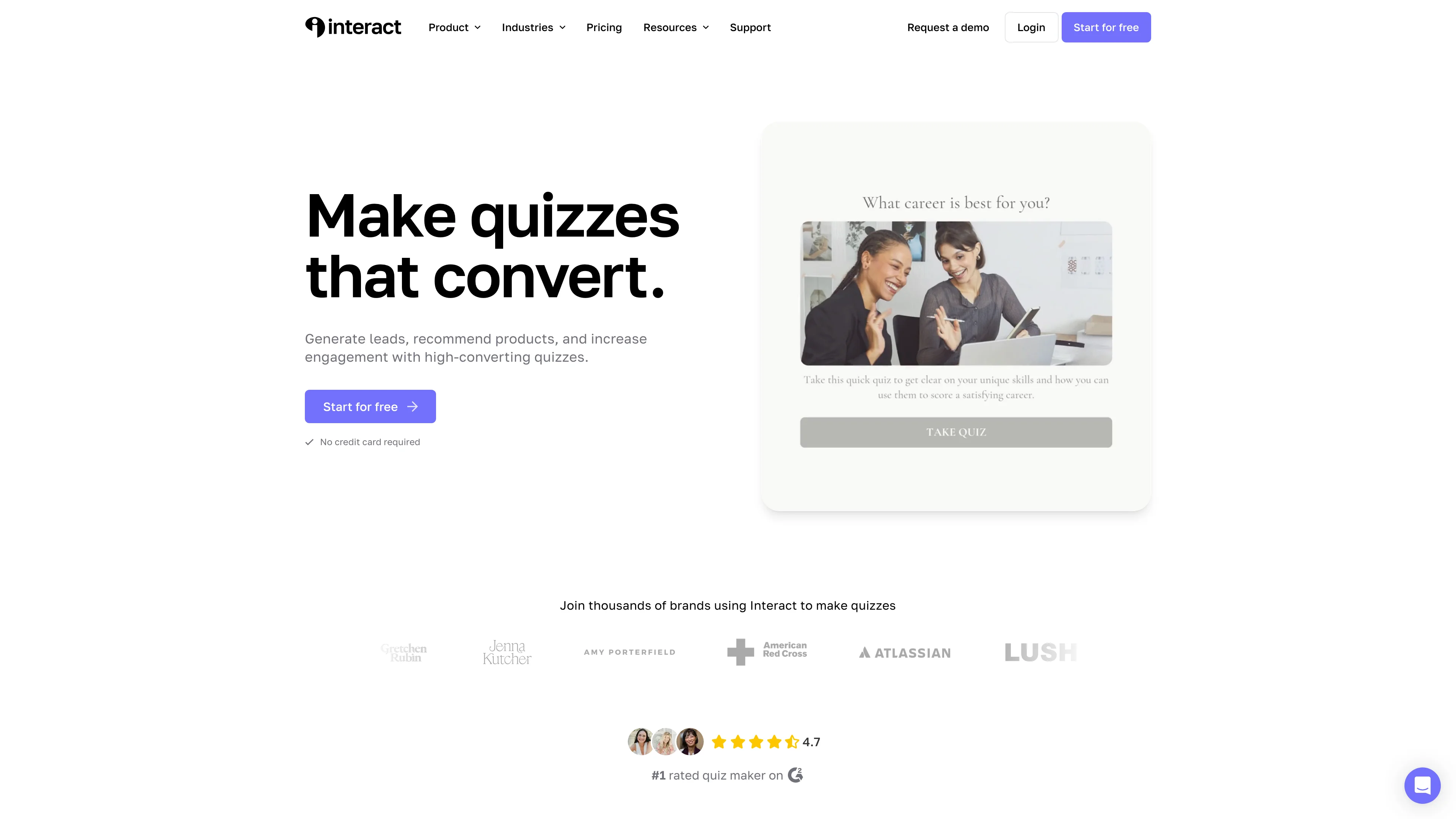
Yeah. Maximum. Uh, so this is, this is pretty good. And the other thing I wanted to mention when you have affiliate marketing posts, uh, Is to do quizzes. So basically you can direct people to the right software. And I think that's another thing, uh, sell online. This guy sell courses online.
He does this. He has actually quizzes. He has different things on his site for his course software. Uh, I think if you go to different posts, you might see this. he has basically different ways to direct people to the content he likes. If you go to like the online course, is that comparison tool here?
That's, that's great. I think he also had a quiz before. You might have used interact actually for it. I'm not quite sure, but, uh, this is basically a comparison tool. So this is really, really useful for people, but you can use interact if you want to have, uh, uh, a quiz for your online, uh, online reviews and stuff like that you're doing.
So I think that's a useful one. And we have used this a lot. I definitely check out the session we have done with Jackie. She goes over this, uh, quite a lot, both on the summit. And then have you had a more advanced session in the, in the workshops, in the members area too? Yeah.
Jan Koch: And I really like quizzes because.
You need to drive people to them just as you would do with any other type of content, but the, the way you can phrase the questions, which is really, really difficult if you don't have AI and you, you haven't built quizzes before, it's really difficult to phrase questions in a way that actually makes sense and that keep people engaged throughout a quiz.
But when somebody went through it, first of all, you can present them with a dedicated results page based on their answers. You can give them the best recommendations and you get the data sync to whatever email tool that you're using so that you could put them in a dedicated email sequence as well.
Navid Moazzez: Yeah, and you can actually have the recommendations going out there. I think you might ask something like what's the right online course platform for me or for you? Like that's kind of how you would start this. Well, and then you can have a set of questions like what stage of business you are in.
You can have like what are you techie? Are you not techie like different questions like this can kind of direct you to it? Like what kind of features do you need you need? Do you need people to answer quizzes? Do you need certificates? Basically based on this you kind of know, okay, they need something very basic.
They need something with community features Then you can say, okay, they need the best community platform. Maybe you would recommend Circle, although it's not maybe the best for courses only, but it's really good for community. Uh, you want something that is, hosted, not self hosted, meaning not WordPress or something.
Okay. Then maybe Kajabi or Thinkific would be a good solution. you want something that you have full control over maybe learn dash with BuddyBoss that's how it kind of structure this if I did something for online courses like, you know The guy we showed here in the previous example, so quizzes can be really powerful I think that's something That people like to take you can generate also leads from this keep that in mind and they can communicate with people further Because sometimes when people come into an affiliate article They're a little bit confused.
They don't really know what to expect. They have maybe 10 tools, even 20 tools and sometimes, uh, sometimes mention of 20 different products. It's quite overwhelming, but then you have a quiz to direct people to are unsure where to start. You can even have like a little pop up coming up with the quiz that you can, the people get, they take the quiz and imagine they came from Google.
Then. You can actually collect their information to communicate further. What is like the likelihood of you closing them or actually generating that sale so much higher when you can actually communicate via email? Yeah, you can even have personalized outreach and stuff like that is some really advanced stuff you can do with email marketing, but Like on the simple side, just have a follow up sequence.
That's all.
Jan Koch: Yeah, I couldn't agree more with this. And this also goes to show to the different types of affiliate marketing that we spoke about off camera, where you have this ongoing evergreen type of affiliate marketing with the blog posts and the videos and quizzes and things like that. And there's also launch driven or campaign driven affiliate marketing.
When you sign up for a specific launch, for example, you've done this very successfully. I remember with Ramit Sethi. And I think we even won that competition or what?
Navid Moazzez: Yeah, it was, I was there. I was number one. I've been like top for a lot of affiliate launches. And what, imagine AI was available. I'm just going to talk about this for a little bit.
And maybe Jan can show some example. If you go back to ChatGPT and these tools, how, how we can actually Do this. so let's say we have swipe copy from a from an affiliate campaign. I know Matt McWilliams He uses this quite a bit. That's actually how he's primarily uses ChatGPT as this bank of a lot of affiliate copies similar to what we have talked about before This is nothing new nothing We haven't talked about previously but basically you will take the affiliate copy and then you will bring that into ChatGPT that can be a Swipe copy or copy it that you might need to write like for your own affiliates Like we just ran this promotion for AI for creators summit.
What did we need? I had some different templates that I had before for a different promotions I've done when I had swipe copy for my own affiliates. It's the same concept We using chat GBT to recreate this to create a set of Emails basically to send to the list. That's what it's about. Or social media posts or it can be anything.
Uh, it's really, really saves a lot of time. Yeah.
Jan Koch: So what you would do is I'm just taking right blogger right now, and it read the overall features from the platform, from the website, I don't have the affiliate copy yet, but in this example, but what I do is I would ask ChatGPT to help me craft an affiliate campaign to promote.
Write blogger to my audience of content creators in a series of, let's say, five emails. Outline the email structure and also suggest bonus resources. I can create to make signing up via my affiliate link more appealing.
Navid Moazzez: Yeah. That's, that's another thing you can do. Um, you, if you have a videos or blog posts, even that's more evergreen content, of course, but you can add some bonuses in certain cases.
It doesn't make sense for everything, but if you have a tool you're like, maybe I like ConvertKit. Then I can add like a video walkthrough of ConvertKit. Like I can add how I'm using it, how I'm using tags in ConvertKit or something like this. That would be valuable and people can sign up. Maybe even if they just take the trial, I might give this.
But usually I would give this when people actually stay on as a customer. Depending on the tool or depending on the course you promote. So I've done this successfully for a lot of things. And that's what people call like the bonus stacking. You don't need to go crazy. But if you're part of launches, usually you might.
have to include some bonuses, if it's very competitive. And
Jan Koch: it's quite straightforward when you look right here, this could be a guide, it could be a checklist, maybe even a webinar. The webinar already is quite a bit of work if you pull it off well.
Navid Moazzez: I would do like a video like this, kind of like a workshop of some kind, like where you go over something, you can outline it beforehand, like kind of what we do for these sessions.
I mean, I encourage you to check out our micro offers training with AI. That one is really powerful when it comes to doing stuff like this with, especially with video or courses. We also have a session about how we use AI with courses that one I also recommend, but like just on a smaller scale, micro offers is really fast to create.
And that's why I would recommend that. And here we have a page wheel that's formerly busy. They actually changed the name. But, that's a great tool for creating these resources, checklists and templates or whatever you want to throw in there into the mix, basically. I would encourage you to create something that is harder sometimes for people, if you really want to stand out, like in my case.
Let's say I promoted Stu McLaren's, the membership experience course. I would probably include maybe a sales page template or something like that, like something a little bit more work. I think that would be really appealing to people to sign up via my affiliate link. I haven't done this too much in the past, but now when we have all these templates for funnel with certain stuff like this, I could just.
I can include one of these templates, for a promotion. and that would probably make me make my offer pretty appealing to others who also is part of the promoter, the affiliate launch.
Jan Koch: Yeah, that's one really important thing. Glad you're mentioning this here because When you are part of a big launch, people will hear about this launch, not just from you, but chances are they are subscribed to more people who promote the same thing.
So your bonuses have to be quite appealing and they have to have a personal connection with you. But one thing I would shy away from. The JGBT suggested right here is offer a free, a free 30 minute consultation call for anyone who signs up using your link.
Navid Moazzez: It could be a fast action bonus. If you, if what you share is really, really valuable and it's a premium offer, like you making, let's say, a few hundred dollars per sale or a thousand per sale or whatever it might be, then it could make sense for like a fast action bonus.
Ryan Levesque and people like that talk a lot about, okay, how do you get people to take action fast in a launch? This works. Pretty well in a launch setting. I would not do this as an evergreen offer or something like that. For sure. Not that would just devalue what you offer with your consulting, but as a fast action bonus, I think it's valuable to do that, like to
Jan Koch: limit this to like the first 10, maybe
Navid Moazzez: something like this.
Yes, I've done all could work a group could work too.
Jan Koch: Yeah, unless you have a strategy to upsell reliably on those strategy calls like i've used this in the past to give people ideas about okay This is where you are at and this is where you could go And then if it's a good fit, I upsell people into higher paid consulting plans and things like that. That's a battle tested strategy that works all the time unless you Place like this where you can monetize every third or every fifth of those free consulting calls.
I will limit to how many people you can offer this.
Navid Moazzez: Yeah, let's, one thing we should do a little bit here as well, and as we are talking about this, I think we had a few other video channels like, We can mention, uh, I think, yeah, Metics Media is a good one. I mean, he just does a lot of reviews based on this channel and a lot of them does very well because they're in depth.
I think YouTube wants a lot of in depth content. I don't know how long, this one was pretty long. This is 40, 42 minutes. 40 minutes for like going over. This is basically what I mean. You can actually start with video. Like if you don't want to write the post from scratch and you just want to, okay, I have these tools.
It might be easier for you to just talk through the tools, especially if you have some experience. Like I know a lot about course platforms. I can do this video almost in my sleep to talk about different course platforms with a little bit of preparation. I would see, okay, the features, the pros and cons a little bit and then talk it through and go over this basically.
And, uh, if you look at his, we can look at the descriptions as well. I think Adam doesn't do this a lot. Actually, Adam doesn't use affiliate marketing on his, uh, that's something he doesn't do. He has, Adam Enfro is not really for affiliate marketing on YouTube. That's really interesting, by the way. He just directs people to his masterclass.
So he doesn't really make that much money, if anything, from affiliate marketing on his, uh, On his uh, youtube channel. I I unless he started with this recently, but I don't see too many links to other tools and stuff Yeah,
Jan Koch: he has he has an affiliate link to TubeBuddy.
Navid Moazzez: Okay, I guess he started with this I think he started with this.
I think before he only had links to to his master class, but either way, I think there are other ones to do a lot better with this But either way you want to link it in the description. That's like a really Easy way to do it. You want to also in the first comment You can pin that comment. If you look at Creator School even, that's what I've done a lot on Creator School.
I basically put a pinned comment similar to what he has here, I guess. and I, I did this for the one with Rachel Miller, for example. If you check, if you check the one with Rachel Miller, uh, uh, you can just check that one in the first comment. I actually even updated this recently. It should say page wheel.
And then you can go to the first comments, . Then you will see what I did. Actually, a lot of people in the comments click that link. I already got sales from this. This channel is not big, but I'm already monetizing this channel with these small links. I, like a few hundred dollars or whatever it was, it's like a new channel and I'm making sales.
I think I made one already for Matt Leitz bot masterclass or whatever it was. I think that's also, it's just, it's not that difficult. Like, especially if you're using. a YouTube channel. I mean, it takes a little bit of time to build it up unless you do a virtual summit, by the way, then you can build it up faster.
Then you can build it up faster. I mean, I built 1500 subscribers in like one week. That's not that easy. Even one guy I followed recently, I just want to, this is actually really difficult to do. One guy has like millions of followers on social media. Uh, Jon Lee, he has a channel called success secrets. He has now a video on his channel, how I got thousands of subscribers in 14 days.
I should make like how I got 1,500 subscribers in seven days. That's like what goes to show like a summit can like be a launch event for something like this. And that can also be used for affiliate marketing and using some of these AI strategies we have shared, uh, throughout this process. So. And, uh, well, another one we, I know you like this one.
Miles Beckler, I think is a good, good channel to, for affiliate marketing. He also has a lot of stuff on his site. Although not as optimized on his site, he still puts content on his site. So, he's a little bit more into blogging too, I would say.
Jan Koch: Yeah, what I like about Miles is that he's a really good teacher.
He's really good at breaking down processes and explaining them. And it's also quite long content that he creates most of the time.
Navid Moazzez: Pretty long, yeah. And it's interesting what he does. I think he's also, he just like talks. He's really, he doesn't even script the videos. They're just like talking heads and no B roll, no fancy stuff.
Of course, his channel, he has some videos that are really popular, although as of late, they are not getting as many views, I think, as, as they have before, but, uh, still, he's just consistent. That's what I would say about him. He's just consistent. He doesn't care. He knows, like, at some point, if I continue, one video will pop off, and that's all that matters.
Like, that's what he does. That's why he doesn't bother too much with the rest. Maybe he would do better if he did editing, but he has other businesses and stuff like that. So, this, I guess, is A little bit of a side gig too.
Jan Koch: Yeah. I think, I think what he does is he tries to get you onto his email list, like right now you're a limited time webinar replay, so you have to watch this.
And then at the end of pitches, uh, get getting onto a phone with him, I think, but he tries to get you. onto email, he just sells a 74 product straight away from the video, which I couldn't imagine convert too well, to be honest,
Navid Moazzez: like, I think it's 47, right? Yeah. Yeah. Okay. Um, but, uh, I don't know if directly from video, but it's still better than like a higher.
Ticket offer but he has other bit what I like with him is that he's sharing actually based on experience that he has Right, I think I business with his wife that is in a different niche and then he's basically breaking this down But let's let's recap a little bit what we have covered Jan as we wrap up this session here So we have covered quite a bit in the beginning.
We covered like about the resource pages I think anyone can just have a resource page Um, you know, get this up and running, like, of course, set up your site first. If you don't have a site, get that up and running. That's not what this video is about here to set up the site. But we do recommend WordPress if you're doing affiliate marketing, you can use Kadence or Elementor or something like that.
Make sure your site is optimized for speed. And there's a lot of different tutorials on the web about this. That's not what we intend to teach here. We are more about the AI stuff for, this video. you can then write all these descriptions and stuff like that for the tools with AI, that's really easy to do.
you can even get suggestions what tools to include if you're not, or tools or resources to include in your industry. I think that's another under a great use case when it comes to AI.
Jan Koch: Yeah. And you can even build those, contents for the different elements of individual reviews, which I think will be the next step.
So you list all the tools on the tools page, you start working through the reviews, you start doing some comparisons, one against two others, for example, like they did right here, and you can supplement all the writing. With AI, you can simply feed in the structure of review posts that you like into perplexity, ChatGPT, have it break down the articles, and then you can take your own spin on those.
We also talked about, the best of posts like. The other, the 21 best something, uh, the course platforms, I think 21 online course platforms you can do, which again is another form of giving people an overview and ranking for a different set of content as well, that's also something important to say, people who, who read listicles, the top 50 crosses about dog training, for example, they are on an earlier path on an earlier stage of the decision making process than somebody who researches one specific tool, because they've already narrowed down the choice to that specific. Thing with the review posts. So when you create content, keep that in mind.
You have a very broad target with the toolbox or these best of articles, but you also need the individual reviews and the comparisons for those people further down the funnel. Yeah,
Navid Moazzez: and one thing we didn't talk too much in this one. We cover it more in the AI blogging mastery session is content AI by RankMath.
And just in general for SEO, you want to use this. I think if you go. Maybe you have this up inside of WordPress, Jan, uh, Content AI because I think what you can do with this really easily is to also outline and stuff like that. Yeah, we covered it a little bit with breaking down the structure of a post that you like or a popular post, but in Rank Math you can actually, you can just test this quickly now to just get like, maybe if we do a review post about a tool or something like that, maybe they can give us an outline really quickly.
which is nice, saves you some time to do this. I think that's what I like this for. You can do the same with, you know, ChatGPT, Perplexity, and all this. But I think this is just a little bit easier, especially for someone getting started, to have this inside of the WordPress dashboard, if that's what you're using as your A content management system, basically, and that's what we would recommend.
I've used Ghost and all these kind of platforms as well. I do like them. I would prefer WordPress being like Ghost, but it's not. And with all these other assets, like you can have these SEO tools as well, but yeah, WordPress is more powerful. And, uh, yeah. It stays, uh, stays the best.
Jan Koch: So what you can do here is you can create a blog post outline and I've just given it the topic review post about ConvertKit email marketing tool.
Main points and ideas that I want to cover in this, in this review. Who's my audience? I left the keyword empty for now. What tone do I want to have? The style of the content is a review, and then obviously language is English. But what
Navid Moazzez: if you put in the keyword here? Wouldn't it be better
Jan Koch: It already, it already will add the keyword because it Yeah, it would,
Navid Moazzez: okay.
Would would have it, because it's very obvious that it's about a converted review. But if you put in converted review, I think, I mean, it would probably be the same, to be honest. Yeah, I don't, I don't think it would you see, this is very simple. Like, that's why I don't understand people who like, mess this up.
I think it's very easy. And with AI now, it's even easier to do this. You don't even need to think too much. Like, I have my way of doing this from the past. And I, I get ideas from AI now to improve my process. I think here you see like, what is, who is ConvertKit for, what is ConvertKit. You have all these important things, pros and cons.
You have the pricing, I guess. Pricing should be in there.
Jan Koch: Pricing is not in there because I didn't list it here. So this is, this outline comes after the step when you've broken down the structure with ChatGPT and you would feed the structure as main points and ideas into this prompt right here. But then what's cool about content AI, here's, here's why this is interesting.
You can then copy this into a new post.
Navid Moazzez: You can even start this in a new post directly, I think, which is cool.
Jan Koch: And then you can use the AI assistant from Content AI, write the introduction for my ConvertKit review.
Navid Moazzez: Probably will do it without much spacing.
Jan Koch: Yeah, and now it's in German because the website is in German, but here you can see that it creates content directly in the context of the main article.
Whereas when I was to write this inside I would have to do something like this. Help me write this ConvertKit review article. Then I'd copy and paste the outline into this one with all the H1 And now it even gets annoyed at me and says, I can't assist with that. Yeah. So you see the process in ChatGPT is way more labor intensive compared to, RankMath .
Navid Moazzez: Content AI is becoming more and more my one of my favorite AI tools just for this I don't think it's the best output all the time Like you would have to give it some direction like for example the introductions I have a very specific way of doing this because I want to have a very conversational tone like kind of like Brian Dean if you know anything about marketing is Like content is very easy, like writing almost to, I don't know, like a 12th grader or even younger, like, uh,
Jan Koch: Yeah. I think for a b, B plus reading level is what?
Navid Moazzez: Yeah. B plus reading level or something like that. I mean, that's, that's kind of, you write, you're writing into Novi basically. Like even though you have advanced concepts, you are English or the how your writing should be pretty simple. And uh, and also how you speak in a way like of course you're not using all this.
These other words you might use when you're speaking, but still you, you're not using a very formal tone. At least that's how I would do it. If you're a corporate, maybe you would do it differently, but if you're writing for a personal brand, you want to keep it pretty conversational.
Jan Koch: Yeah, what's also cool with Content AI is that you can write in context, so I can just tell it to write more, and then it expands the content, so it's quite easy to get a draft of content ready.
It doesn't always get the transitions right between paragraphs, there are sentences here. That aren't completed. So you have to be aware of that and have to be careful with that. But overall, it makes creating the first draft of the content super efficient. And then you, you, you would have to go through this anyways to make this your own, no matter what tool you're using.
Navid Moazzez: I think the updating of content is also an interesting one. If you want to add content, like use. Content AI to expand on certain things. Of course, you have to still tweak it So it's in your voice and things like that But I think it can just speed up the process a little bit at least it's a great tool to have your toolbox I think that's how I would say, you know, it doesn't mean you need to use it every time It doesn't need is the I mean, it's the best every single time but it definitely can help for a lot of things and and speed up the workflow and that's what it's all about here.
There's of course other tools we have mentioned before like Vocable and these things they can always be used, you can always test things in different tools, doesn't, doesn't matter like we we use different AI tools, Jan and I, but Sometimes we see the output is better from ChatGPT for something or they do a better job or perplexity, then we might use that.
So we're just switching between them a little bit here and there, but still it's part of our workflow essentially when we're doing things and it's not really that time consuming.
Jan Koch: Yeah. And I think to recap a little bit and to summarize, you have as an affiliate marketer, you have to be aware that you need to have obviously a consistent strategy with what type of content you create.
So you need to templatize how you create content, which you can do with any AI tool that you enjoy. It could also be Jasper or copy. ai or something. Something like that, that would work as well. Then you need to be thinking about, okay, how do I get eyeballs on my content? So you need some form of distribution strategy could be social media with video, for example, could also be repurposing your blog posts and into Twitter threads or X threads and into LinkedIn blog posts, LinkedIn newsletters into any, any.
Platform that's relevant for your market, frankly. So you need the content production, you need the content distribution, and then you need to decide whether or not you want to focus on the long form, evergreen SEO, uh, evergreen affiliate marketing. Strategies that we've talked about with those different types of blog articles, or if you want to be focused on certain campaigns, like maybe, you know, you've, there are these really big launches in your industry that you do well at, and because it's relevant for your audience, makes sense to join those launches and to promote them.
And then you need to base based on those decisions, it will vary how you use AI. Because for the evergreen, for example, it doesn't really make sense to stack bonuses next to the offer. A really good comparison and really good review will usually do the trick there.
Navid Moazzez: Yeah, a hundred percent. And there's, I think, one more way.
there's a lot of different ways to make money from affiliate marketing and AI, of course. But what I see a trend on social media, at least, is these bait posts. And they might do a video about tool. I think this works probably better for more hype y things. And I don't like that as much, but I'm going to mention it anyway.
It's like when you talk about, let's say an AI tool and you do a video, let's say it's like, Hey, I created this video with AI. It's gonna replace video editors and then say DM me for the best tool. Or it can be about anything essentially. It can be about other things too. But that's especially when I've seen like thousands of comments like, and you know what they do?
There's an affiliate link for that tool and they make commission. Or can also in some cases be a sponsorship too. Some big creative on Instagram. Yeah. This what Ruben did, I think.
Jan Koch: Yeah, maybe he, Ruben had this yesterday. He had a ChatGPT hack to analyze the post. Yeah. And the TLDR is you use Taplio for it.
And then, yeah.
Navid Moazzez: This is a great way I, this, this is what, exactly what I mean, this is like a more, this is actually a great value post I would say. Some people don't do this like on Instagram, they might have a fancy video like and that's great That's maybe the value on its own on Instagram, right? They have a great reel about the tool and then they tell people to DM but it's more hype I would say yeah there this is actually a pretty useful post that people can actually get value Even has like some kind of video there where he showcases Some stuff he can do with it.
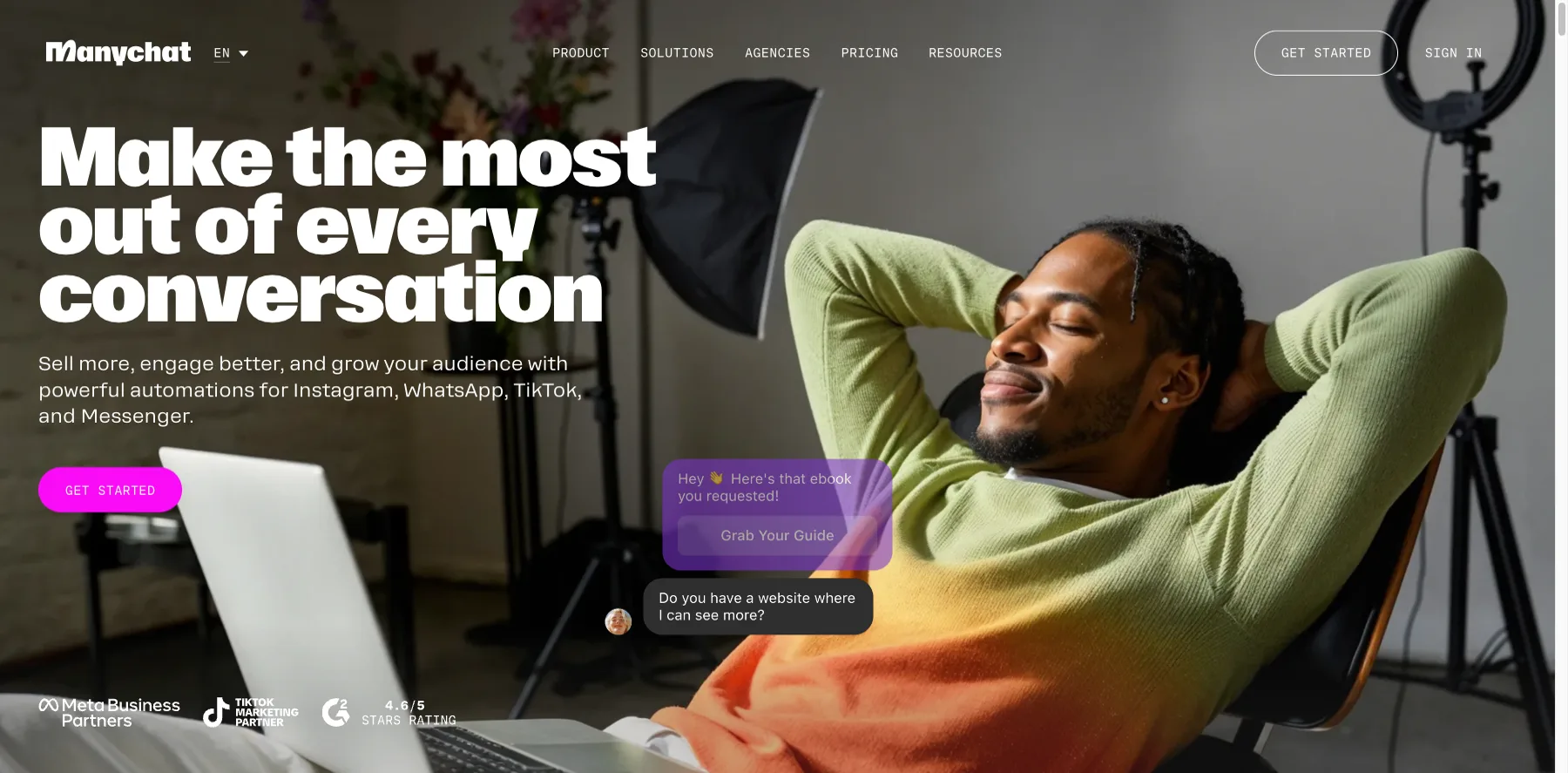
So this is like a really great way to get people to DM you and then you send them the link. They can also automate this on Instagram. For example, with, uh, Manychat and things like that on LinkedIn, you cannot do that. Or at least it's against Terms of Service. So you need to I don't know how people do this.
I mean, if, like, if people get thousands of comments, do you think they really get back to you manually?
Jan Koch: No, I think this
Navid Moazzez: is, uh That's impossible, man. Like, that's basically I, I Here's what I think a little bit about this as we wrap up the session. I think it's I, because I've, I've actually, I've actually commented on some posts and I'm not getting the reply sometimes from what I come, I'm not getting the thing which can actually hurt your brand.
So be a little bit careful with how much engagement you're getting. If you say, I'm going to, if you like and share whatever, I'm going to send you this thing. Be sure you freaking send them this thing. Otherwise, you're going to lose value. Um, that's important. And we have seen that when we have done similar things for email marketing, when we had it for the AI starter kit and people reply and then you're going to get that thing.
Well, people want that thing. Otherwise you're kind of a scammer, you know, quote unquote scammer. I, I, you don't want to be that. So definitely make sure you deliver what you promise. Um, but this is a great strategy for affiliate marketing. on social media. Uh, I think this is fantastic actually.
Jan Koch: Yeah. So, so he only had to send out 114 times.
So that's, I would say that's still manageable, but he got 1,118 engagements and 438 comments. So this, I think
Navid Moazzez: the conversion rate is pretty low. Like I think the conversion rate to get the link will be high. The conversion rate to sales would be low. That's what I think. I think it's not the best conversion rate to, I mean, maybe for trials, it will be decent, but I don't know.
Jan Koch: Yeah, he had, he had this partnership with Taplio to get the first month for a dollar. Yeah. So, maybe that's what people got excited about, but it's a good example nonetheless.
This is one of my favorite ways to actually use LinkedIn, because especially in the AI space, there's so many creative ways people come up with promoting their offers. And I think as an affiliate marketer in general, you always need to be. On the lookout. And I think this is a great way to wrap up the session because in the end, what is this about, this is about building trust with an audience and putting offers in front of them that you actually believe will help them.
And that's why it's so important. I feel to watch what other creators in your industry are doing.
Navid Moazzez: Yeah, and I think if I would have used strategies like this when I started, I could have made even more money on affiliate marketing. I made a lot of money, probably well over seven figures in affiliate marketing over, the years, promoting different offers and things I've been using in my business.
And I think that's what I would say. If you are using the tool or resource course and you have some success with it, you like this resource, like Ruben seemed to have some experience with Taplio in this case, man, it's going to do better. he has a personal partnership. He's actually creating a better deal.
That's also something we haven't talked about too much, but you can reach out to different tools or resources in your industry and create partnerships or a better deal. Maybe the best deal on the website is seven days. Maybe you create a 14 day or a 30 day trial. Maybe you create something better for your customers.
This is just a communication, actually getting in touch. Of course, if you have more of an audience or maybe you're doing an event like a summit, it's going to be easier to get the ball rolling for something like this. But even if you're starting out, what do you have to lose? It's just like reaching out and try to get this in front of more people.
And most tools and resources and even course creators, they want to get their Stuff in front of more people and then if you can help spread the word this is going to be a great bridge between what you create and the offer basically. And that's kind of what affiliate marketing is. You're referring people to that person's course, and maybe you're friends with this person or there's some course you have taken or a tool or a book or anything you have basically any experience with, you can use affiliate marketing for this.
And I think AI is just going to amplify the whole process. And that's kind of what I've seen. I wish I had AI when I started out. I could have done so much more with affiliate marketing, but now it's readily available with all these generative AI tools and even AI video is really exciting. And you can even use.
Tools like Midjourney and Canva and Leonardo AI to do some images to kind of spread the word more. You can do so much with this. I think we, we are just scratching the surface, but if you implement even like a little bit of what we have talked about in this session, you're going to be better off and leave your biggest takeaways in the comments.
Let us know what you think, if there's any tools or resources you will use in your affiliate marketing journey, and I'll see you in the next one. Ciao for now. Bye.