Boost your creativity with AI
Navid Moazzez: In this session, we will talk about how you can boost your creativity with AI as a content creator, an entrepreneur, as an online business owner. And there's some interesting aspects of this. And me and my friend here, Jan, and the partner in this project, we are going to get into some different use cases.
We just had a little bit of a debate, not like in a friendly one, but like how AI can be used. And let's talk about this as a creator, because as a creator, You are, you want to be, I guess, creative. You are, you might be creating content for your blog, for YouTube, for podcasts, for social media. But how can you be more efficient using this?
So, what is your approach, Jan? I'll get mine a little bit into this as well. Talk a little bit about this, how this can enhance your content, what you can do with this, because a lot of things is possible now that wasn't possible without AI. So I'm really excited to dive into this.
Jan Koch: Yeah, same here. And what I want, uh, what I want to start with is the Dreaded Writers blog.
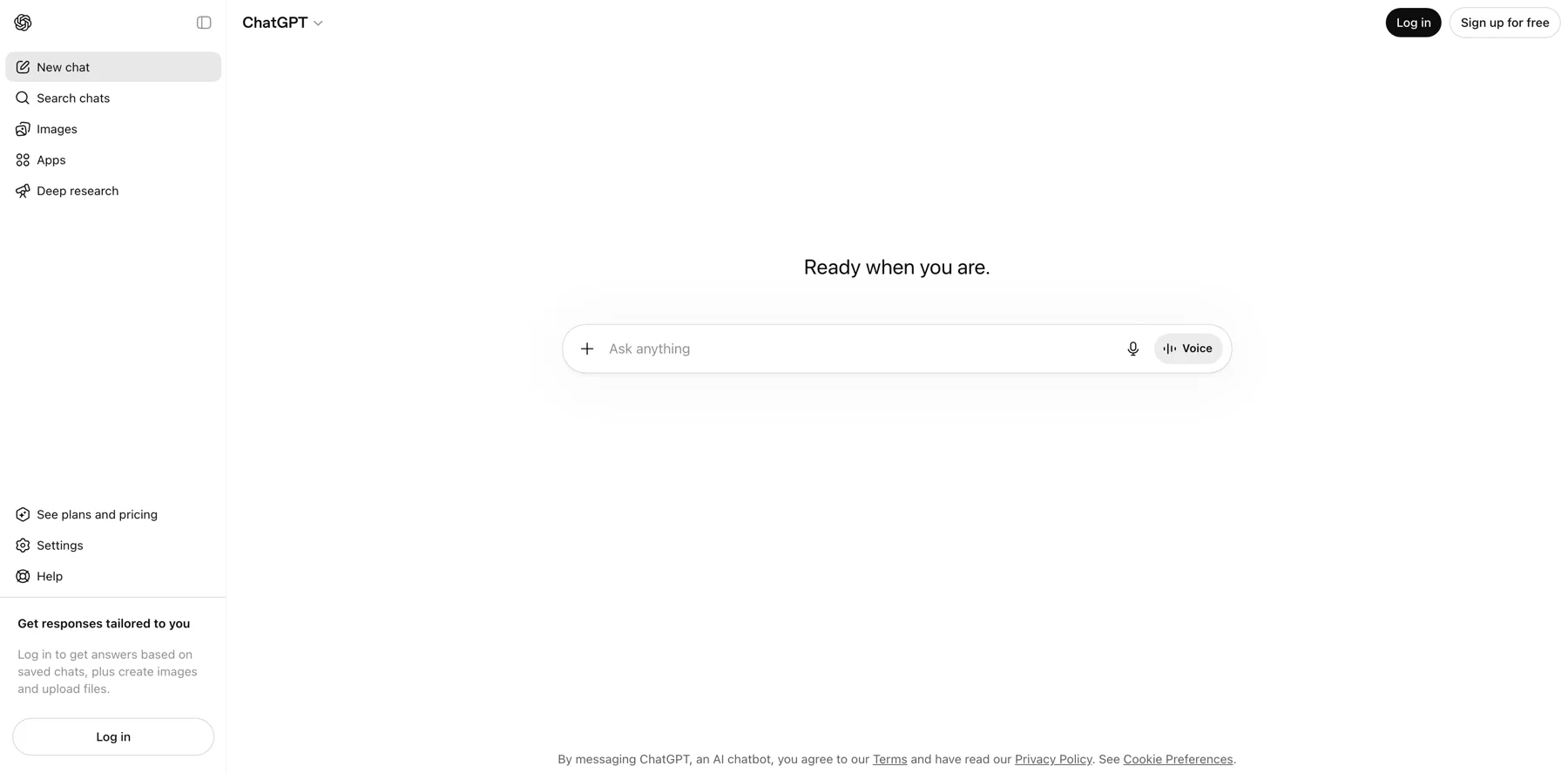
Like, I am, when I create, it's mostly written content. I do enjoy these videos, but I'm not, I'm not somebody who blogs, for example. I'm not somebody who is active on Instagram or Pinterest or whatever. I like written content. So what I use, ChatGPT, for example, or Google bot for is ideation. And the way I do this, as a brief example, when we do a screen share, right,
Navid Moazzez: Yeah, let's show this now.
So, this is... For ideation, it's one of the best use cases as a creator, because you can still, but let's get into this. I mean, that's what I use it for every day, basically.
Jan Koch: Yeah, same here. And you'll see that I have GPT 4 and the browse with Bing enabled. So this is the paid ChatGPT. If you use this, just well
Navid Moazzez: worth it.
Like, I think if you're going to do anything with AI, you probably is one of the first tools you get started with. And so yeah, get the 20 a month plan for the plus version, I would recommend it.
Jan Koch: So the first thing I'll do is when I want to create, let's say I want to create a new blog post, and I don't know what to talk about.
I'll feed my website address into this. That's why I need the Browse with Bing feature. And I'll tell ChatGPT, read through the site, describe the target audience and the offer. So what this does is it gives me the, the security or the, the understanding that I know ChatGPT got it right and ChatGPT understood who I'm serving and what my offer is.
And then based on that, After it came back with the definition, in a minute I'll just ask ChatGPT to create 25 relevant blog post ideas that help me get more sales for my platform. And I think this is a really good way to get started with content ideation because when you create content, it obviously needs to be relevant and it needs to be tailored to your audience.
to your brand, to your offer. And the best way to do this is to feed your existing website into this. We can't do this with social profiles because Facebook, LinkedIn and co, they just block ChatGPT and the other AIs and they shut it down essentially. But if you have a website, you can feed it into it.
Navid Moazzez: For sure.
Another aspect of this, if you're starting out and you don't have too much already, you can actually check your top competitors or people doing similar things and you can get, you know, maybe you want to write similar blog posts to certain people in your industry. Like, let's say I like some of Brian Dean's content or someone else, Neil Patel maybe has some content I like, then I might like, okay, I'll look at that.
But it's also important to see kind of. Okay, maybe you are starting out, so maybe you should look at people just a few steps ahead of you. Maybe not the top guys, so you can actually see what people did, or look at what people who are on the top did when they started, so you can see a little bit like that.
I do this a lot myself.
Jan Koch: Yeah, yeah, this is a really good idea because you can also ask AI to analyze what they are doing and why they are doing it. And this is now quite easy. It gives me 25 blog post titles, Taylor, to engage your audience.
Navid Moazzez: But, you know, Jan, like, for, for, you said something really important in the beginning.
Writer's block doesn't exist in the new age of AI, I think. Doesn't exist anymore. Like, you don't have excuses. You, you will stare, okay, let's see, you're gonna write a book or something. You're gonna stare at the blank page or you're gonna go into ChatGPT or your favorite AI tool to actually, do some ideation and get over that hump or whatever you have, right?
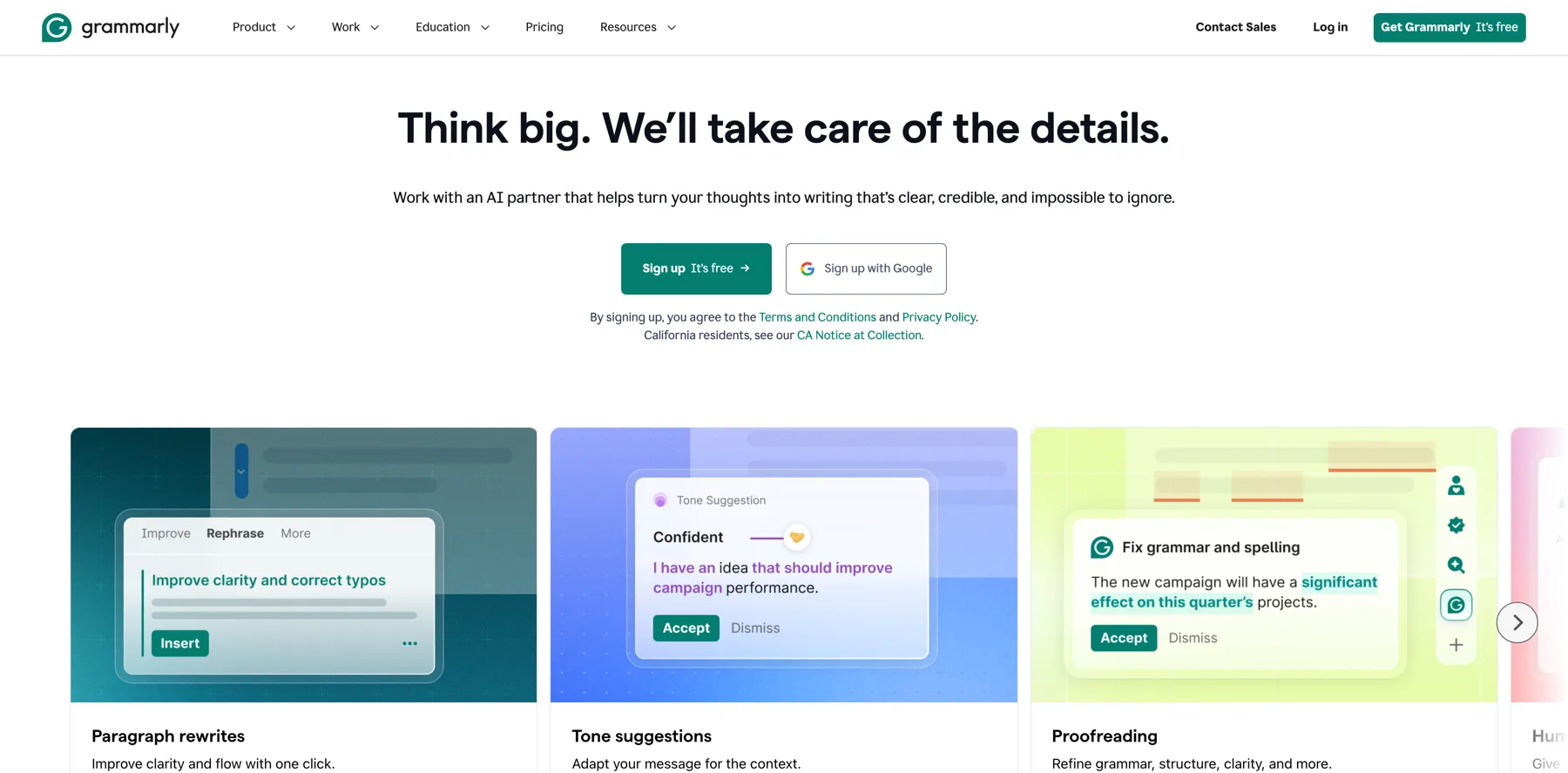
You, you have roadblocks, we always have challenges and things like that, but you can get over it pretty quickly. And then you can continue, like if you need like rewrite a sentence, super simple. And even like with us, we are not native English speakers, like using an extension like Grammarly or something like that.
It's fantastic. You can use it. Yeah, it's really, and that has been, this is probably a tool you are familiar with. They have been using AI for years and years to analyze, the writing and, you know, if you're, it's in passive voice or whatever. I mean, all this kind of stuff that is important when you look at, uh, you know, how to write better, better English, better, or even whatever language you, you write in.
So. Yeah,
Jan Koch: yeah, this is really cool. And now I got 25 blog post ideas, and they don't seem too great to be honest, because they're very sales driven, it's very, very much sales oriented, like Simplify Your Workflow, Integrate Kobra KI Today, Kobra KI is the name, but this doesn't really flow as a blog post, right?
So, Sometimes you have AI that goes off attention, and what I can do is now, I don't like these, because AI, just like a human, takes feedback. This is also really, really important to understand.
Navid Moazzez: Maybe say something like, I prefer something like this instead.. I think that works maybe better. And also you can tell ChatGPT to take a deep breath, actually, like it works a little bit like a human, you can do it, actually, you can tell it to take a deep breath, yeah, take a deep breath, relax, and rewrite.
Yeah, maybe you can like write it on a separate note, like to see what it says, but I have done this on a few occasions, it's working, also some of our speakers said that this is working quite well.
Jan Koch: Yeah, and this is also cool because it just sparks ideas.
Like, you don't have to take what AI generates as the holy grail that can't be touched. For example, what I'm seeing right here is educating your team. This could be a post about awareness. I could talk about awareness in the article. Yeah, yeah. Knowledge Management 101. I could go through my blog and see, okay, which article or which aspects of knowledge management do I not have covered yet?
What can I add to the article? So you have to be, this is where the creator part comes in again. You have to actually get creative with the results that you receive from AI.
Navid Moazzez: And yeah, you can write, for example, outlines and things like that for a blog post or for an interview, whatever you want to do. But yeah, this is, this is a great use case.
What else I, what something else I really like is, we talked about this in the pre chat for this session, and I like I like to use AI a lot for my supporting content, and I like, for example, for the main content, this is main content, we are recording a video right now, or I'm recording a session for a summit, this is main content, this is unique to me, this is not something AI is coming up with, or taking from Google, doesn't exist yet, because I'm just creating it, so what I can do, which I really like, is if I want to upload something to YouTube, I don't want to do the mundane tasks, and we've talked about this in a different video as well, but I don't want to do that, I don't want to Basically, get the AI to take care of my tags, take care of my description.
If you have a podcast, you're writing the show notes with AI. There's tools that do it, you know, in different levels, you know, but there's for sure you don't need to do this stuff anymore. You can get AI to do it for you. Like, same with the chapters for YouTube. There's tools that do this, like instant chapters.
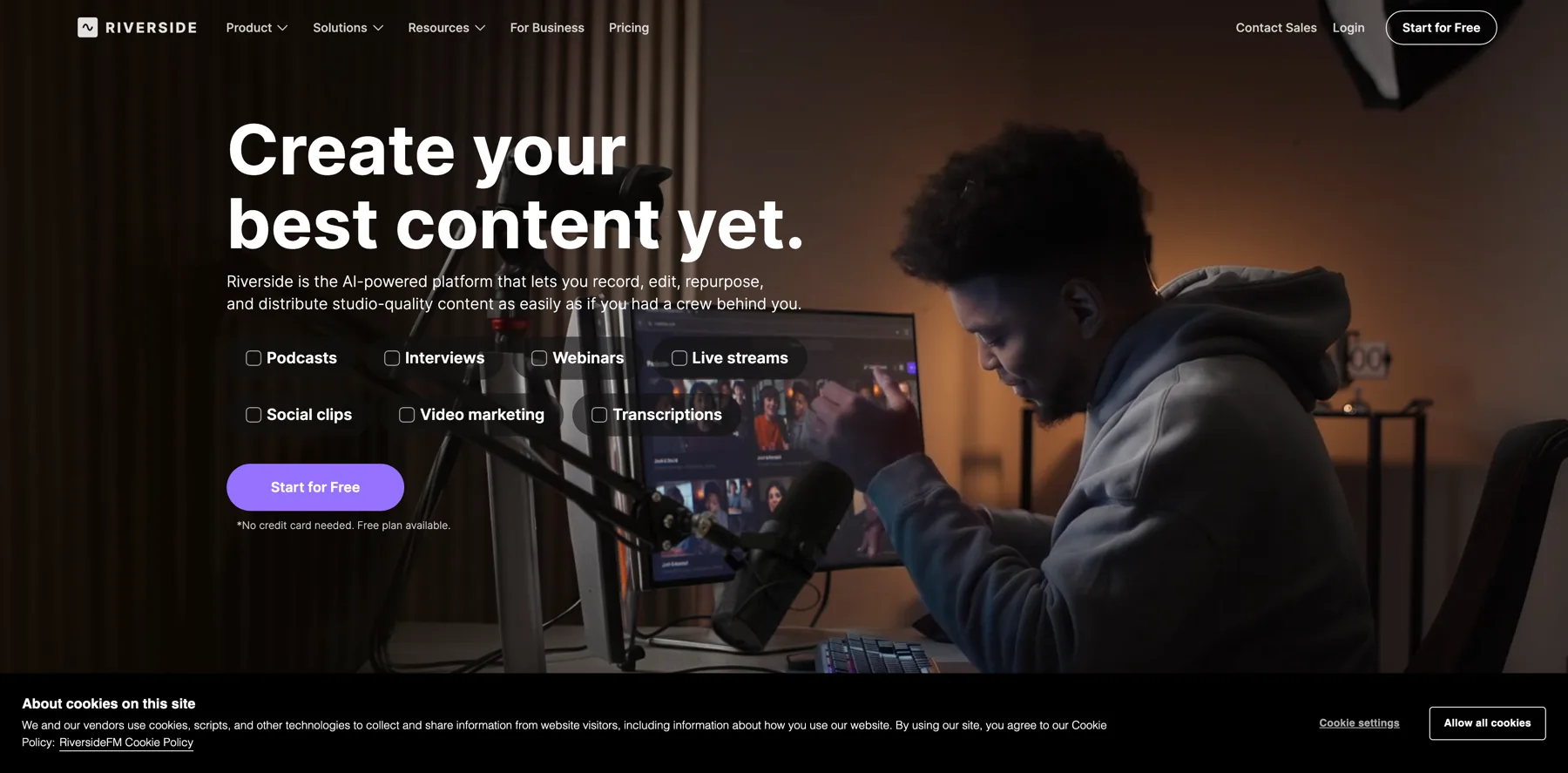
com or, you know, I have a link here as well. You can, you can just go to it, but it's really, really a nice tool. And there's also tools like Riverside. They're probably going to integrate chapters at the time of recording this. They don't have this, but they are becoming more of a YouTube platform because it's the number one podcast platform in the world, essentially.
So they are going to integrate a lot of features like that. So. So yeah, this is kind of how I'm using it and also like for writing content You can start with the writing. Jan, you know, shared something like that He can sometimes start with the writing, but you can I think for me if I have a video It's gonna get me so many different forms of content for social media and things like that.
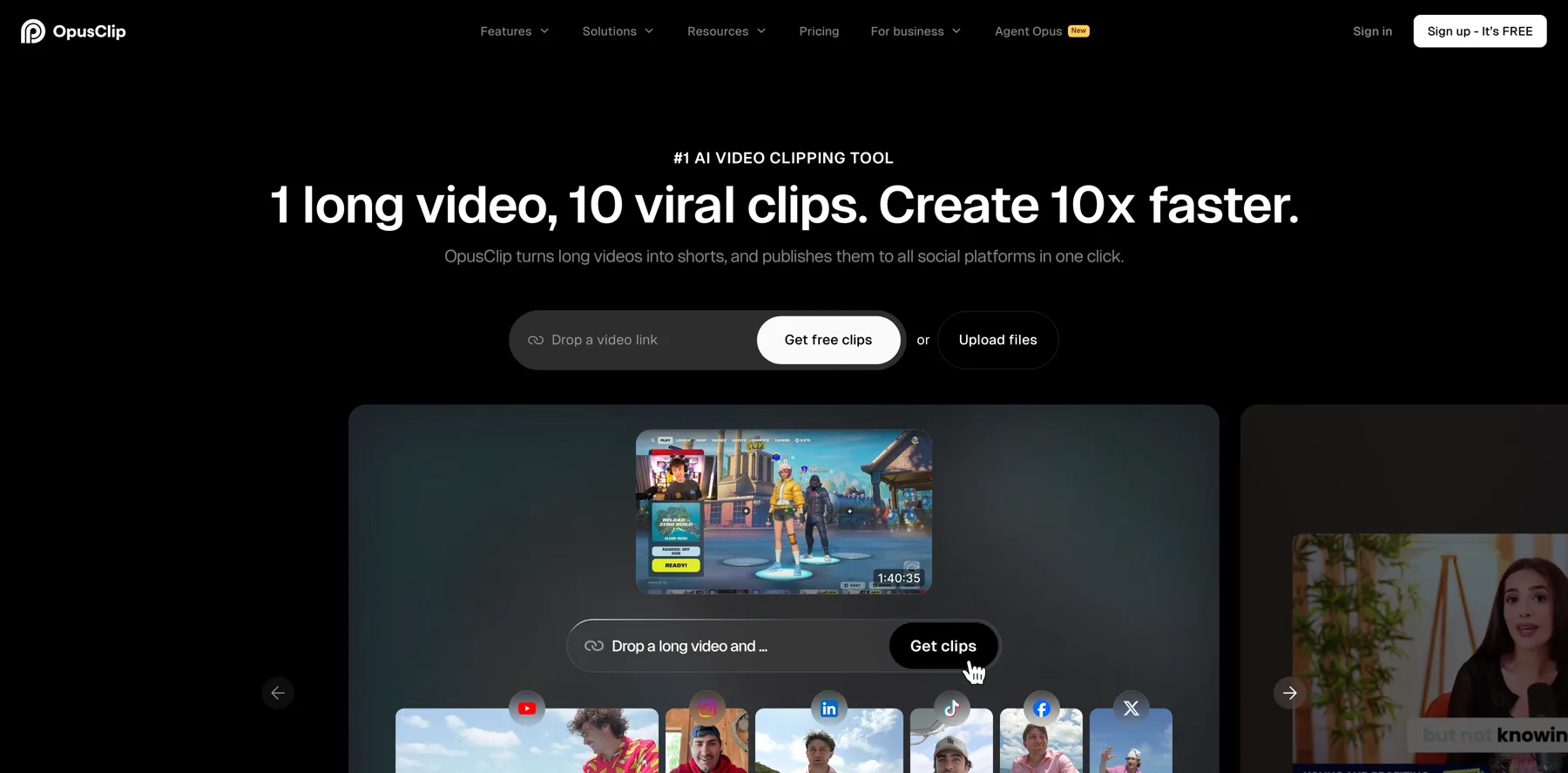
So I don't really need to Think as much of the content creation after have done a video because AI can take care of the stuff I don't really enjoy doing like repurposing this content. I don't like to do this. I can go into Opus Clip or a tool like that to just take a video and put different shorts out.
I can go to a tool to write Twitter threads based on a session. I can tweak it, of course, that you need to add your approach a little bit to it. And maybe there's some words you don't like, whatever. But that is pretty much the best way because I'm a personality driven brand. That's the important part here.
I'm personality driven. So I want to have my personality into this. I want it to be personalized. And if you look at your favorite creators, That is exactly , what's out there. The top creators are not using AI to create , their videos for the YouTube channel and things like that. They might use it for supporting things like, right, coming up with outlines, coming up with, what you talked about for the ideation, things like that, and all the mundane tasks that you don't want to do, and even customer support and things like that, or chatbots, things like that can just like empower you as a creator to get more stuff.
What do you enjoy doing? You enjoy creating. So how do you boost that? By doing less of the stuff you don't like. That is exactly what it is. Basically you can be like a one or two person team to do more than a ten person team did just a few years ago.
That is the power of AI as a creator, I think.
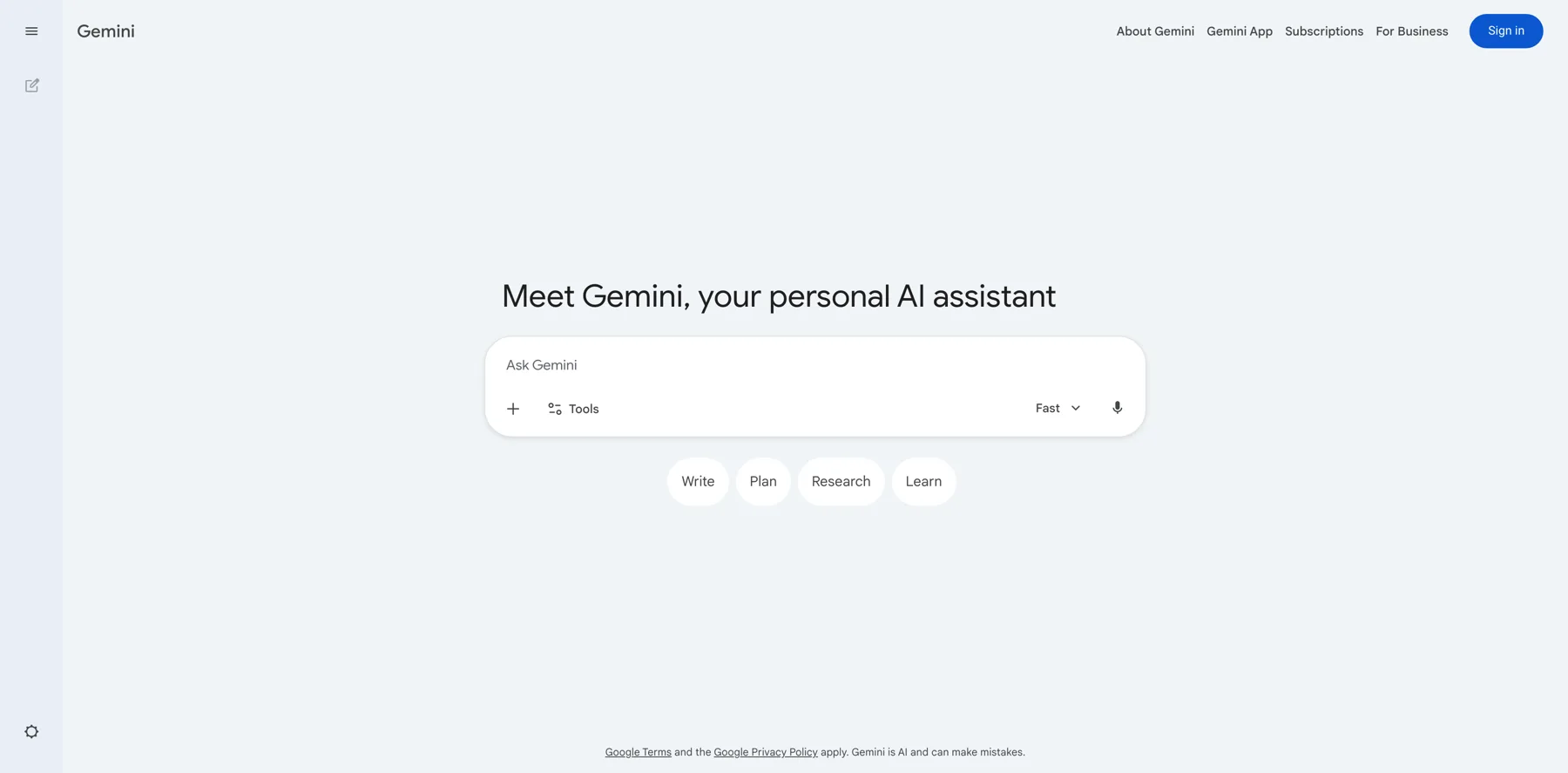
Jan Koch: 100%. And here's another example of AI. We're looking at Google Bard right now. And this is what I love to use for research. And one thing of turning on creativity is knowing what to talk about. And research obviously helps with that. And I 100 percent agree with you, Navid, that personality has to shine through with this.
And if I'm yeah. Struggling for ideas. Sometimes I just go to Google Bard and say, okay, what are the top 10 trends in the field that I'm in? What is it that I should be aware of? And then I take it from there. I think it's really, it boils down to knowing. What you want to create, like having a rough idea, even if you don't have an idea, ask ChatGPT, what type of content should I create for my audience?
My audience are these types of people, I sell this type of offer, what content should I create next?
Navid Moazzez: But one important thing, uh, because... You as a creator, an entrepreneur, take the decisions. You can ask ChatGPT for, you know, ask them whatever, maybe they come up with something, , can be good, can be bad, uh, you know, but you need to take a decision.
For example, if I wanted to ask, who's the best speakers for a virtual summit on AI? It's gonna be a little bit difficult because there's too many people and there's too many, you know, too much data I don't know exactly how everything works But it's too much to collect in order for them to actually do a good job on this kind of question so you have to take a decision on who is the best but you can probably feed them in certain information and then you can see who is good when it comes to this topic, and you can probably get some level of information around this, but then at the end of the day, you take a decision as an entrepreneur, as a creator, you don't leave that to AI.
Jan Koch: That is so true, and also one thing I would love to show, to close this off is, AI can play devil's advocate. If you settled on an idea, it doesn't mean that it is a good idea. So what we can do right here is let's say I want to write the, let's say the 13th post. So I'm not giving it the title. I know this will be investing in efficiency.
A closer look at the ROI of my platform. Now I'll ask ChatGPT to play devil's advocate and give me. Five reasons why this post might fail at its objective to drive more customers.
Essentially what I'm doing right here is, I'm looking at both sides of the coin, right? So I, you don't just, as you've said Navid, you don't just blindly trust the AI. You want to also double check what it came up with, and it can double check itself if you ask it to. And now I need, I need to. Be aware of these things and you probably as a creator know that if you raise expectations in a blog article, you better deliver on them.
If you write too complex stuff, people don't understand it.
Navid Moazzez: Same thing in a video or anything you do, if you want to deliver on the promise like of the video and uh, Yeah, but I do think , this is a good use case for it, as well.
Jan Koch: Yeah, let's show the outline that mitigates these five potential.
Navid Moazzez: Do you use ChatGPT a lot for writing your blog posts or do you find that it's a little bit cumbersome?
Jan Koch: I like it a lot because I have created specific prompts that I use for myself that I just copy and paste.
Navid Moazzez: Let's show that in a different video where we show Writing Mastery with ChatGPT.
I think this is really good for talking about this because... I personally, , I can use it for this, but you need to do it in smaller chunks, because , I think I'm maybe more picky because I'm doing it for my personal brand. So I want it to be exactly, in a specific way. And I think tools like Content at Scale is a lot better at this specific use case.
And it will, it speeds up. Yeah, it's more expensive, but it's also replacing many writers. So, you know, it's all relative. I
Jan Koch: agree. And this is also a good point. People need to be aware that there's not the one AI solution. There's 50 different tools.
Navid Moazzez: Yeah, I mean, but, but yeah, there's some, there's tools, I think the tools that can help your creativity.
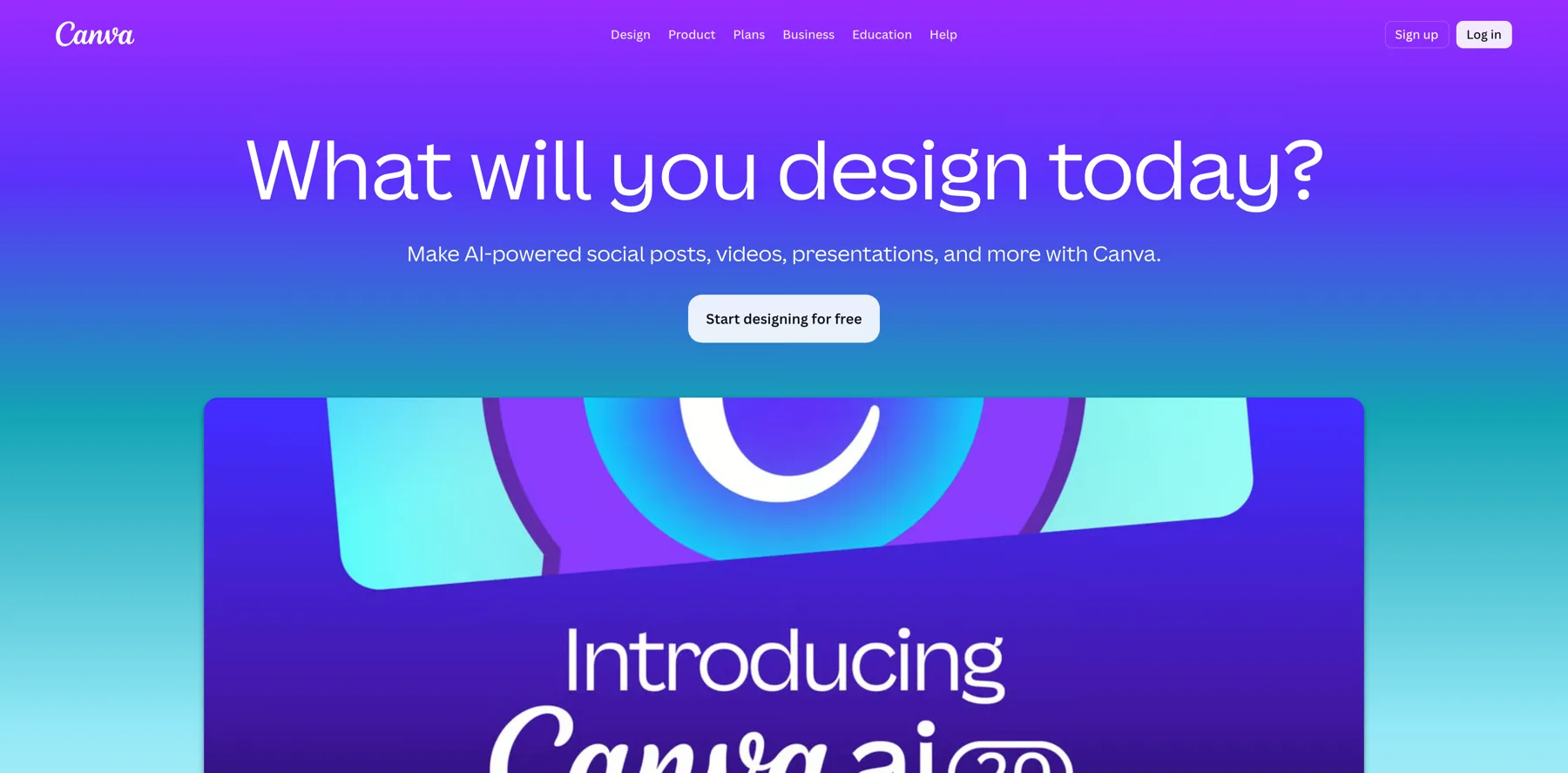
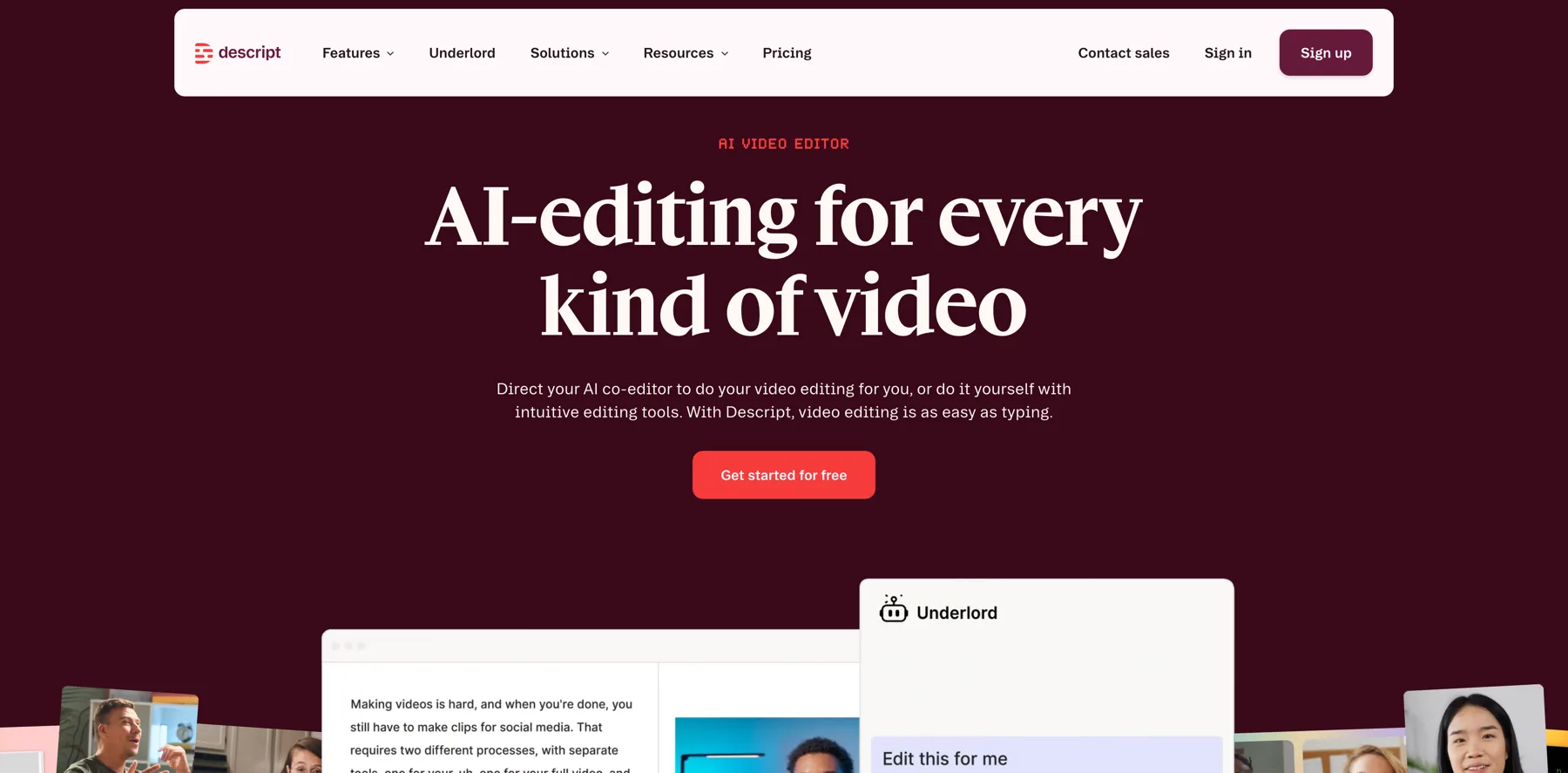
I do think like, like tools that are, you know, there's a lot of tools that are going to come and go. I think tools that are really making a big wave is like Descript. I mean they have been around for a while, , Opus Clip is doing well, Riverside is adding a lot of AI features, of course there's the mid journeys, the Canva, like all this, you need to be aware of it because , maybe you're not a great photographer or maybe you don't take photos, but now...
Even an, uh, you know, you can be a beginner, you can even have never held a camera all your life, and you can actually do pretty good art with Midjourney, and Dall-E 3, and even Canva. Like, Midjourney can do some crazy stuff, you know, but, and yeah, Stable Diffusion, don't get me, get into that, that's like more techie.
So you can do a lot of, a lot of stuff. I don't know what you, when it, is there any specific tools that helps you in your day to day or just using ChatGPT mostly? Like what do you come back to Jan?
Jan Koch: Um, ChatGPT plays a big role, Midjourney plays a big role, Opus Clip. is massively important on the video front.
That's really it. I do have a pair programming AI called Ada, but that's more on the development side of things, that's not so much creator focused. And that's it, really.
Navid Moazzez: Yeah, I mean, there's certain other tools like PDF. AI. There's tools that can enhance your productivity as well, and maybe help with certain things.
We are testing a lot of different AI tools, but I tend to come back to a lot of the tools that I have been using for a long time and the tools that are adding AI features because there's just too much out there. I'm testing extensions here and there. I'm sure it's going to get better, but you don't need to like use all the tools to actually enhance your business.
There's specific use cases. If you're a YouTuber, do you need like every other AI tool? No, you probably need something for chapters, maybe something for doing shorts. And if you're a podcaster, you need something for your show notes and things like that. So think about the use cases, what you need to do in your business right now, and then just do more of it with AI.
That's what I would say. So,
Jan Koch: Yeah. And think about how you can add new things to AI. For example, if you have a course or if you have eBooks, you could build a chatbot that has access to that specific knowledge. That's kind of what I do at Kobra DataWorks, where we give companies. So this is B2B. It's not, not for creators specifically, but we give companies access so they can chat with their data.
And if you have hundreds of thousands of files flying around in Google Drive or SharePoint or whatever, and you want to sort through them easily. AI can do that. We can do that and the other tool in the same realm can do that as well, but just be open minded and search for the problem that you have and chances are by now there is an AI that solves it.
Navid Moazzez: Yes. And I've talked to this with Jordan Gill as well about , you can create these micro apps. If you have courses, that's a really cool opportunity to just add, enhance your courses with certain apps or like a knowledge base or something like that. So that, that will decrease, like you don't have as much customer service.
So you can run a business pretty much as a solo creator or like maybe a VA or something like that, but you probably wouldn't have your VA do coaching and stuff like that. So that's actually something AI can help with, but it's your knowledge, which is really cool. And tools like Searchie has also like say, you know, the wisdom AI and stuff like that is, is really, it's really cool.
And we'll get into more. of the tools and things like that we're using in specific videos. But with that being said, I think that's it for this session, and I'll talk to you guys very soon in the next one. Ciao.