AI for Sponsorship Workshop
Navid Moazzez: In this session we will show you the process for getting sponsors with AI and primarily using AI as an assistant in this case and I have Jan with me because we worked on this a lot together for the AI for Creators Summit so we want to showcase a little bit of the process and I know you have this Get Your First Sponsor course and you have access to this, but we wanted to do a little bit of an update in the age of AI to showcase where AI can play a role when it comes to this and yes, you still need to do the work to get your sponsors.
AI is not gonna do this for you, unfortunately. But AI can at least help you with certain things along the way here. So Jan, what are we dive into first? I think we talk about how to use AI to build media kits for your sponsors. So we have, I guess, Canva. Which is a great tool for this.
Jan Koch: Yeah, the Media Kit is really, really important because that's the first thing a potential sponsor will ask you for.
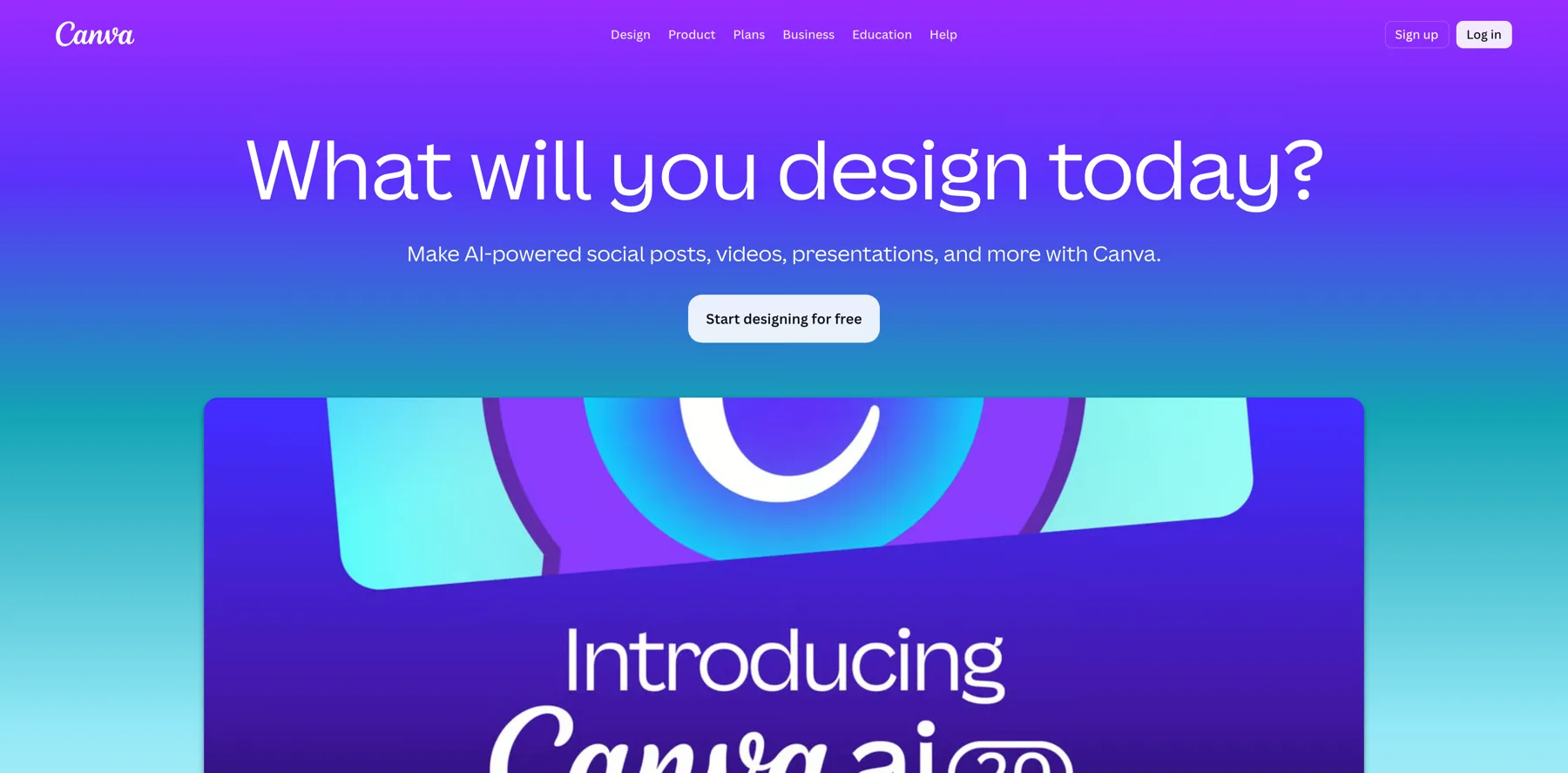
And you can simply search for Media Kit Influencer in Canva and pick any pre designed template. Or what you can do, which I like more, is you go to the Magic Studio in Canva and then you create for yourself. So we go to Magic Design, try the Magic Design, and then we can do the same thing essentially and use AI to rewrite. So we create a blank media kit, and we have Dall E in here. So what you would do is design for a media kit in the tech industry. It showcases how up to date my brand is with the latest AI trends, and you can create graphics for it this way.
This is Dall-E now. So AI design for a media kit in the tech industry. Then you have to create click on generate here, so you can create images directly in Canva via Dall-E. Or you can use the Magic Studio design and create the entire design from scratch. But essentially, to boil this down, you want to have a media kit, let's say this one here, and you want to use AI to spice this up.
Images can be one. These texts right here can be another use case for AI, because obviously you want to present yourself in the most appealing way. And you can take what you have on your website, you can take what you have on your social profiles, put that into this text box right here, and then you see the magic, right?
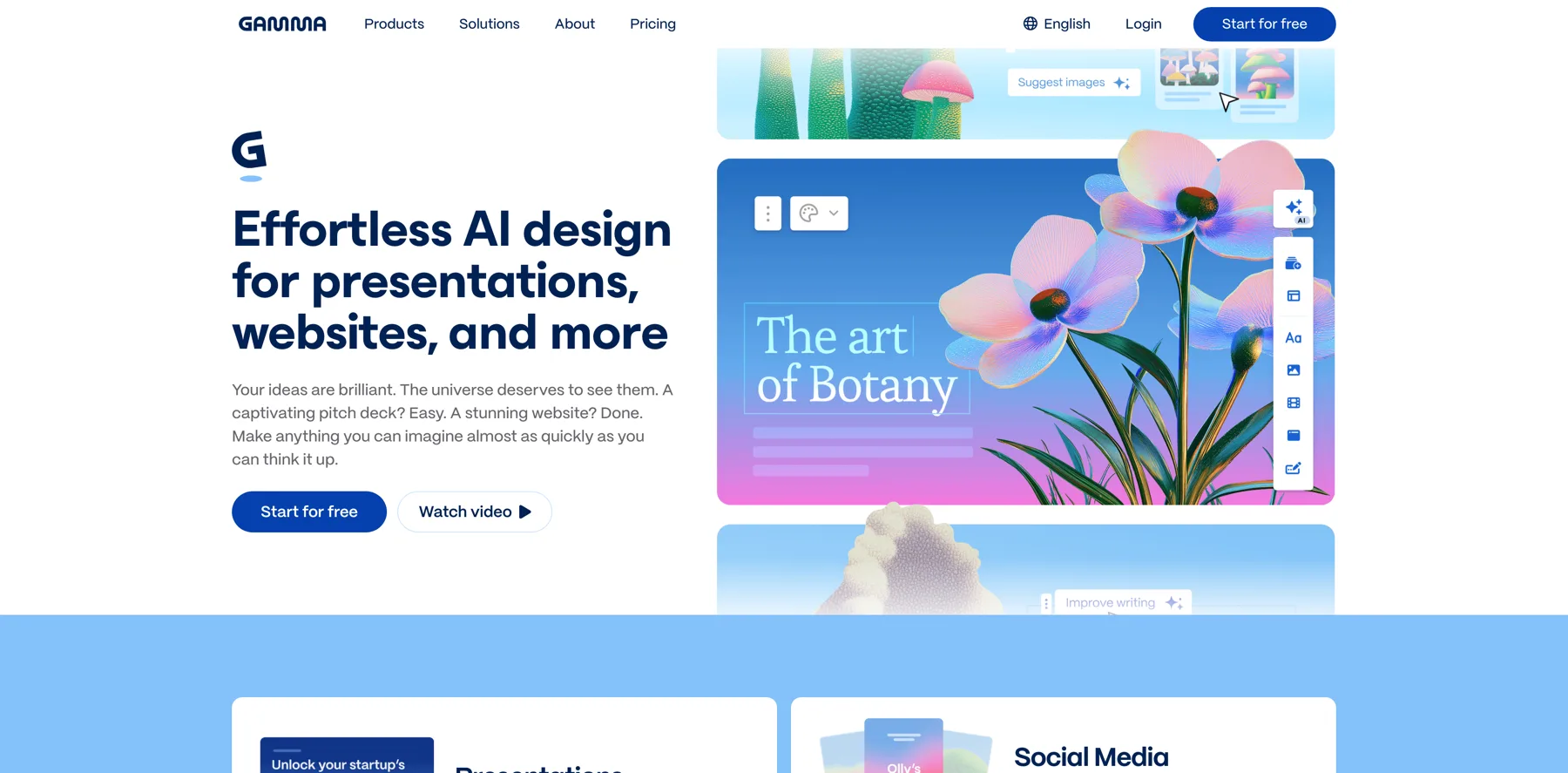
So, you can do some sprinkle fairy dust, try it out, and then Canva comes in with the AI and rewrites this, and frankly this could be done in ChatGPT as well, so this is quite easy to do. It's just good in Canva that you can design beautiful things, and one thing that we also did in Canva is Oh no. We did actually use Gamma for this, which is a tool we can showcase, which is our pitch deck for getting sponsors for the back then it was called AI Marketing Hub Virtual Summit
Navid Moazzez: and we changed that.
Yeah, but it doesn't really matter. I think was, what's interesting is that we used Gamma, we also tried a few different ones. I think beautiful.ai, we, but I think Gamma is pretty solid for this. You can use Canva as well as we showcased. But yeah, for a summit it's a little bit, you know, different because we had an event, so we needed to showcase kind of the benefits and stuff like that.
And yeah, that's what we did. We didn't even do this on brand necessarily here. Like, this was actually in the early stages. We used the colors and stuff, so it was okay for the AI marketing branding, then we changed it when I designed a, the Creator School brand that came actually later. So you can see kind of the evolution of it.
Maybe at some point I shared the full journey, but that's kind of how it came to be. So yeah, that's kind of what we included here. Maybe Jan, you can walk them through a little bit here, what they should think about when it comes to the pitch deck, or what you present to the sponsor, because you did most of these calls with them.
Jan Koch: Yeah, most importantly, when you sell a high ticket sponsorship, so this was, the low end was mid 4 figures, the high end was upper 5 figure sponsorship prices. So, in this case, you need to give them something they can skim through, get the gist immediately, so on the first page, you need to have, back then, the date was September 2023, so this was a couple of months ago.
Out, that I sent it up probably in, February, March, I started sending this out and we had the direct audience size on the first slide, we give then a feeling of what the summit would feel like as an attendee and what the market is and the scene is, a sponsor would put themselves into.
And this is something I feel AI can be a game changer for because it can hallucinate quotes, but it also will give you the right quotes that are actually true and that exist. And having a quote like this, really appeals to brands who resonate with this quote, a business that makes nothing but money is a poor business.
if you want to work with sponsors, you need to vet them. They need to have the same values. They need to have the same standards they operate by. They need to work towards the same vision with their audience and this is where these quotes come in super handy and then you give them a more detailed explanation of what it is that they are actually getting into and you can create those images with AI to convey feelings and emotion you can write this descriptive copy with AI. Then we gave the sponsor the problem that we want to solve with the summit, which is AI is the noisiest and loudest space, and we want to cut through everything, which I think we achieved.
We gave more context about how we want to fix the problem, the solution presentation right here, so 10k-12k content creators, the different target groups that the sponsor would be in front of, and then one thing I want to highlight here that is really important. In high ticket sponsorships, you need to showcase to the sponsor how big the opportunity is they get in front of.
So, I think it's fair to say when you're serious about content production, when you run a profitable business, It's easy to spend 10,000 per year on your marketing stack. That's hosting, that's services, that's tools around advertising, that's split testing. I mean, those things add up really, really fast.
And I used AI to write this copy because we wanted to make sure that our sponsors understand this is not a small opportunity they get in front of. This is a 50 million market in the worst case scenario, which we planned with, which was 5,000 attendees. And the planned number we had was 10,000, even if we had just half that, that's a 50 million market we put our sponsors in front of.
And this is something you can use AI to write. And you can use AI to write the goals that the audience that you put your sponsor in front of have and to format it in a list that is structured in a way that's aesthetically pleasing.
Navid Moazzez: Yeah, I mean, this is basically what we do and we could have done this a little bit better.
We did this a little bit rushed, but it was still like what's needed to actually get in front of the sponsors, I think. So, that worked pretty well in terms of using AI in this early stage to design this. I think, what else can we talk about here when it comes to the sponsors? Yeah, and I think Is there anything there in the media kits and stuff you wanted to add to?
I
Jan Koch: think in the media kit, not so much. What is important in the media kit is that you just summarize everything. But what makes or breaks a sponsorship is the pitch to the right person. And Michal was one of the sponsors that we reached out to. And I want to showcase how we've done this. In the course, you have the access to these email outreach templates.
Navid Moazzez: So they are I think before that, just backtrack a little bit, Jan, finding sponsors. I think, yes, you should be aware of some people in your industry, but for example, in our case, Jan, it's like, I even told you this, we, we probably had potential, like 10,000 different businesses we could have reached out to, maybe more even, like in the AI space, there's so many, or even in the online marketing space.
So that is a use case I could see, at least like starting to do some research in terms of finding sponsors to partner with depending on what summit or what newsletter and stuff like that you have that you want to have sponsors for. I think for a summit it's great to get sponsors because it's an event.
It's a little bit different as well than just a newsletter. That's pretty competitive now with the newsletters and you're just going to get a very, very small fee if you have a no audience, but with a summit, even if you're starting with no audience, you can actually get a five figure sponsorship and we are proof of that.
We had zero email subscribers for this and we still got five figures in sponsorship deals and because we could convey what the summit would lead to and they bought into this and we didn't just lie or make up stuff, that was actually what we anticipated and we did pretty well in terms of delivering, I would say, to our promises.
Jan Koch: Yeah, and that's the entire topic of module two in the Get Your First Sponsor course. To showcase how AI can help with this in a really brief example is quite straightforward. You talk, you give AI context about what it is that you do, and then you ask it what brands and businesses would be in front of that audience that you have.
So in this case, don't ask for a specific brands, but ask for the type of businesses and the types of brands that want to be in front of your audience. Because in this example, I said, I'm a tech influencer talking about AI on my YouTube channel, mostly serving small businesses, teaching them how to use AI.
So one of the potential brand type is tech solution providers. That's obviously everybody who sells AI would be interested to be in front of my audience, but you can also then expand on this. And this is where AI comes in really, really useful to talk about, okay, what are some educational platforms that people can talk to?
Those are essentially competitors to my YouTube channel, but maybe there's a way I could position those sponsorships. What digital services or business services in general are relevant to my audience? Think outside the box here. If I serve small businesses, they need marketing. They need consulting. They need even financial services.
They need some accounting tools, for example, they need invoicing tools. Maybe the owners of these businesses want to learn more about how they can invest the profits. And maybe there's a little bit about team management needed as well. You can talk to hardware manufacturers. You can talk about industry specific solutions.
So you can use AI to identify the brands and the niches of sponsors that you could reach out to, and then you dive deeper, do your research with the resources mentioned in the course right here. So I've got two links here for influencer affiliate marketing networks. Or you use AI to do the research in ChatGPT or Perplexity.
The caveat here is, I would say, the data the AI is trained on is sometimes a little bit outdated. If you use the free ChatGPT, forget it. don't even use this. Go on to the paid plan. But then still, you have to be careful and you have to double check that the companies it spits out actually exist.
Navid Moazzez: Yeah, no, I would do research in terms of what tools and resources are in your industry, you can get ideas from your favorite AI tool as we are showing here, but I would not rely on this because as Jan mentioned, like, if he would have done this in this case, it would have been pretty useless. Yes, maybe they would have found some companies that have been around for some time, like GetResponse, they've been around for a long time, so they probably exist in, you know, the data that AI would pull from, but there's so many companies like that we can research and maybe, Just because AI mentions a company, we might not be interested in this company, for example, to partner with.
So I think it's better to, in most cases, to use AI, as Jan mentioned, as an assistant in this case, but then complement this with your own research or maybe hiring a VA or something for this to actually do the research for you. I think this is a hard Because this is so important, right? To get the right sponsor on board for your event or for your newsletters.
So you don't want to jeopardize this by just handing everything off to the AI here. So yeah, that's what I would say here. But I think there's some other things to talk about here also with the pitch. And objections and closing the deal that we can talk about.
Jan Koch: Yeah, that's why I have Apollo.io up. There's different tools like this where once you know what industry you can tap into to pitch sponsors, you can use a tool or you need a tool to get the contact addresses and to get the email addresses and the social profiles and things.
Tools like Apollo are pretty good. I mean, they're not cheap. Don't get me wrong. It starts billed yearly.
Navid Moazzez: Is this just for getting the email address, Jan, or because there's, there's a few other ones that we have used, like Hunter. io, there's another one, I'm just going to find it.
Jan Koch: Yeah, this is mostly for email addresses, and they have AI assisted writing and things like that as well.
But be careful with, you can only get 900 mobile phone numbers per year, for example, you can only get 12,000 exports per year. There's Hunter.io, as you brought up. There's also what I've used in the past myself, which was okay, it's called Seamless.io.
Navid Moazzez: Yeah, Rocket Reach I've used with great success actually.
You can just take the LinkedIn profile to add a link there and you have a few free ones, but you're gonna quickly run out. I think they have a little bit better. FreePlan, and even Hunter sometimes, at least I found it for, if I didn't find their email, or they didn't have a website or something, I think you can just take their LinkedIn, and you will actually find their good email address.
But a hack here is to just sign up for The LinkedIn Sales navigator, and then you can get access to basically messaging anyone. And I had a great success with this. Not so much AI, although LinkedIn has some AI built in, so maybe you can utilize this, but for contacting people, it's just having a template and then Reaching out to people, and there you can find pretty much any contact person you can imagine for any company, right?
I think they're all on LinkedIn if they are working for a company. So yeah, I love LinkedIn for outreach. I also used it a lot for our speakers that I couldn't find email addresses for. And then I closed them on LinkedIn. Just one message was called outreach. And some people had some follow up questions, but then, yeah, that's not so much AI.
I mean, you can customize your responses, you can do a lot of things with AI in this process. I just used it without AI most of the time, but yeah, you can definitely optimize things with AI if you want to.
Jan Koch: Yeah, and this is pretty good. So this is my new contacts list with people who received my contact requests or who accepted my contact requests.
And this is really powerful with Sales Navigator. But then what's interesting is, how do you reach out to them? And this is where the pitch templates come in that you can access in the course. Those are for email. But what you could do is copy and paste this into ChatGPT or Perplexity for that matter and then ask it to adapt to the specific person that you want to reach out to.
So in this case, what I would do is take this pitch template, copy and paste it into this and adapt it to pitch. A sponsorship for my email newsletter to tech entrepreneurs writing to, let's say we take Michael as an example because what you, what you would do is you go to the profile, you take the about section.
If they don't have that, you take a page from their website. For example, you try to make this custom essentially with this one. This is a very lazy way to do this, by the way. But then what you get is. A customized, somewhat customized outreach message that you can then tailor further to match your tone of voice.
For example, I would write this way shorter. This is, this is not to the point enough. So you would do something like make this shorter, more to the point, and more. Benefit driven for the sponsor. And you tweak this, you play around with this a little bit. And this is, this is a good way to, to customize your messages without working yourself into the ground, because getting sponsors is a numbers game.
The more pitches you send out, the more messages you have, the more relationships you build, the more messages you send and receive, the more money you will make. Frankly.
Navid Moazzez: Yeah, it's definitely a numbers game. So have your spreadsheet, whatever, like just put a lot of companies in there, add contact details and then you can, you know, keep track of it.
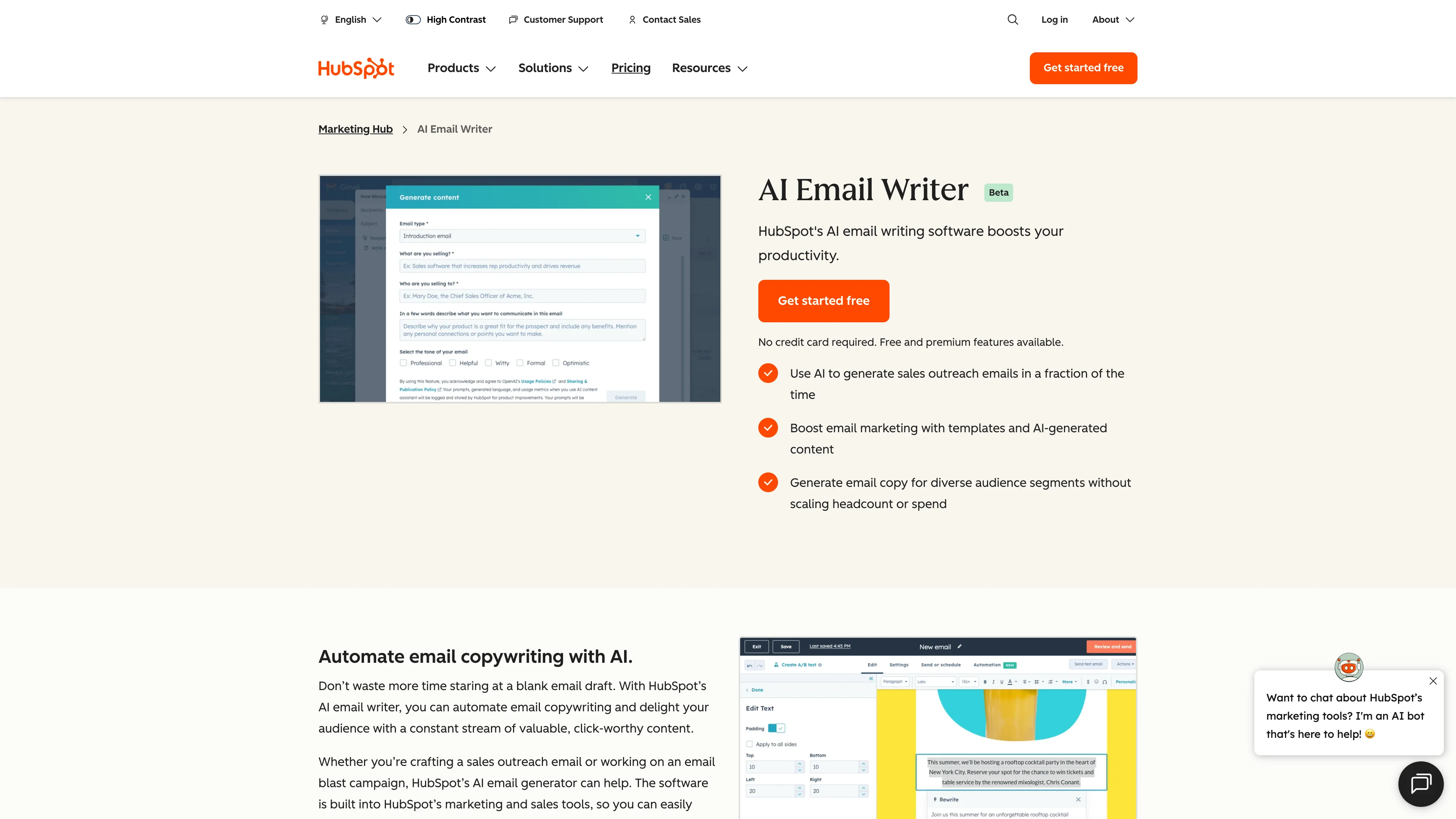
You can also use kind of like a CRM tool. What do you use Jan, do you use HubSpot?
Jan Koch: I use HubSpot for this, in the Get Your First Sponsor course we have templates for Airtable and for Google Spreadsheets to track your sponsors as well.
Navid Moazzez: Yeah, and there's also one, some for Google Workspace, you can integrate it with your Gmail basically.
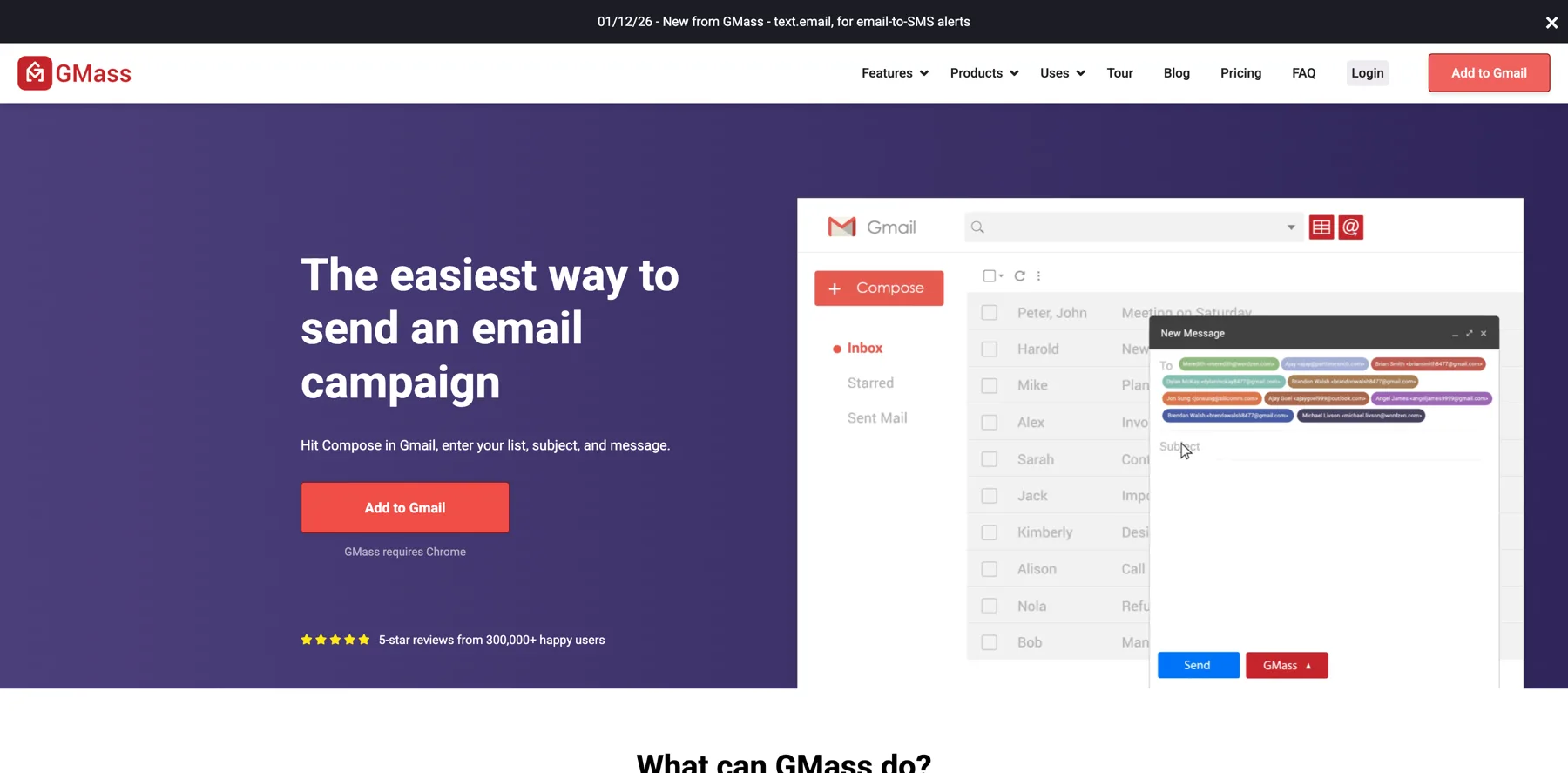
I think Streak is pretty solid for tracking stuff, but there's some plugins for Gmail, I know you can use that, I think, I don't know, is it called Gmass or something like that? Yeah, Gmass, it is. Yeah, I think that's a mail, basically a mail merge, so you can add like, you can do mass outreach, I don't really do that as much, I don't know if you, did you do mass outreach, or, yeah.
Jan Koch: I don't find good results with mass outreach.
Navid Moazzez: I feel like Matt McWilliams do this quite a lot, like he's an affiliate manager, so it's a similar concept, it's a numbers game. The more you reach out to the more affiliates you will close, the same with sponsors. So I do feel like it can work, but I feel, Sometimes I don't, although I know Mats, I do check his emails and stuff, like I don't pay attention to a lot of them because he's like doing it so much and it's like, I feel the emails are pretty generic sometimes, they're still like better than average for sure, he's done this for a long time, but he's doing it so much for different things I'm not even interested in sometimes, so yeah, then I, you know, people tune out essentially, but if you're doing it like really customized, as Jan mentioned, like to the person, to the company, I think you're going to get better results.
Jan Koch: I agree, and it's also, when you start reaching out to those people, you don't pitch in the first five messages. That's what I say in the course as well, you get to know each other, you get to speak first, and then you start to pitch. And then when you are successful with the pitch, I think this is one of the most important use cases for AI in this context.
Either you have to send a sponsorship agreement or you get a sponsorship agreement. And what I would do is with an anonymized version, for example, we have the sponsorship agreement linked for you in the resources in the course, this entire thing. Into a platform, very, very careful that this does not contain names, it does not contain any confidential details.
But what you want to do is you want to use AI to check what are the clauses in there, what, what are you tied to, what can you do, what can you not do. So you copy and paste this entire thing into ChatGPT and say, analyze this sponsorship agreement from the perspective. of a lawyer with experience in intellectual property rights.
So what you want to do is you want to be sure that you understand what that agreement allows you to do, what your obligations are, and what the obligations of the sponsor are, what the sponsor will do with the content that you create afterwards. So this is a really good way to Use AI as a creator when you're dealing with sponsors, because you want to make sure that you're legally on the right page.
And then I would say to finalize the use cases, we've talked about the research, the pitches, researching the contract data, analyzing the contract. The last thing you need to do is you do these reviews. So this is module four in the course where we talk about reviewing campaigns. When you watch this session, keep in mind that you can summarize these results that you had with AI and present them in the best way possible. You can use AI to create infographics by now. Canva could do this in a very beautiful way. And then when it comes to the long term partnerships, I think this is really important. This is a point where you actually want to turn down or tune down the AI use a little bit because in the long term partnership, it's a personal thing.
This is now not a one time transaction anymore. You want to build long term trust and I've got some sponsorship deals that have been going on for years and they've paid me four figures every single month for like three years. At that level, AI might be used to deliver the content, but AI is not used for pitching, it's not used for reviewing, it's not used for analyzing or communicating with the sponsor directly.
Navid Moazzez: Yeah, I think this is a great way to wrap this up because when it comes to sponsorships, yes, AI can be used, but within reason. You can optimize things a lot with AI that wasn't possible before, but it's still this human to human connection that you need to build that relationship. It's the same when you're doing outreach for virtual summits.
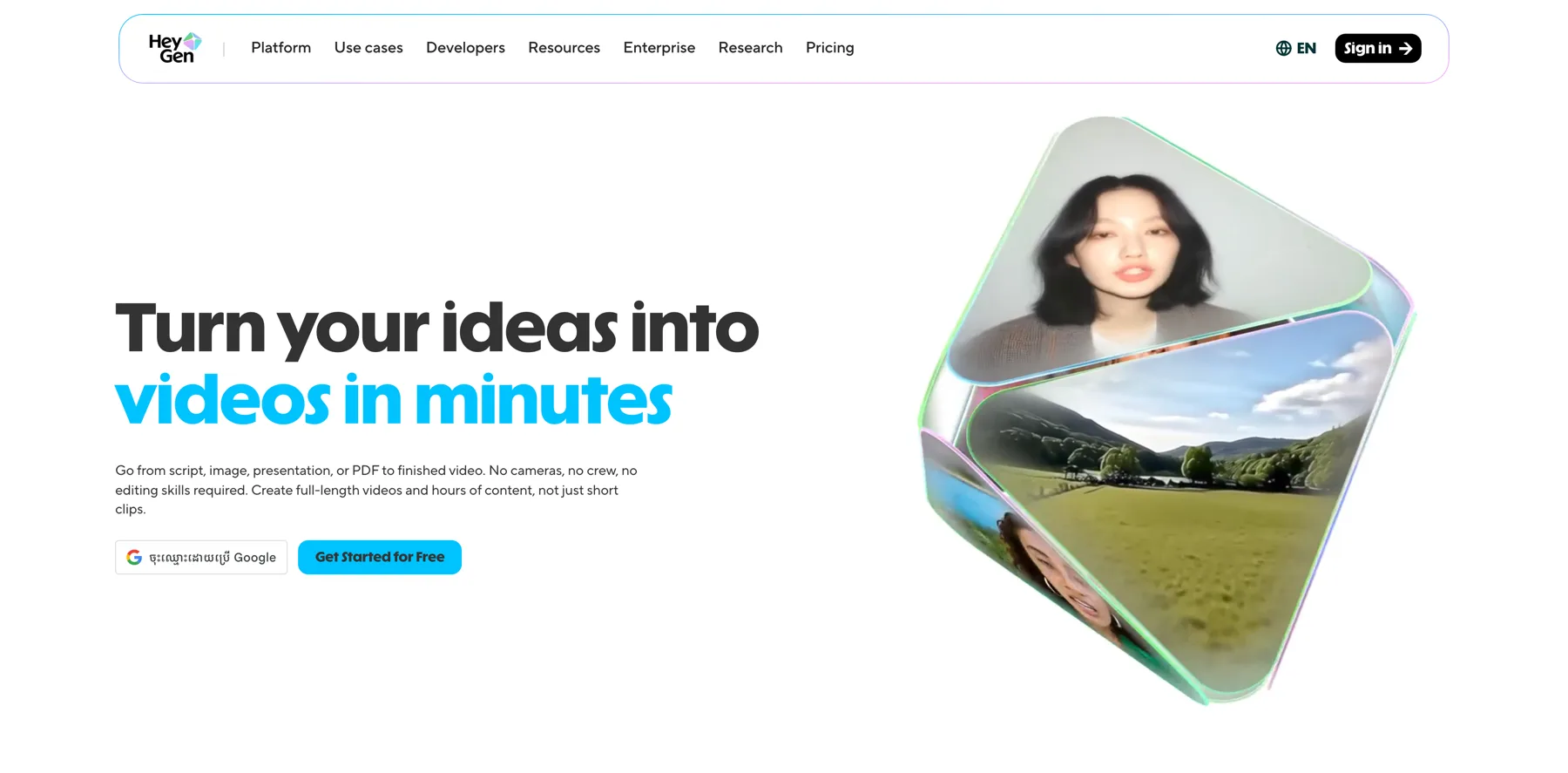
Yes, you can use Heygen and tools like that to clone yourself, even for a sponsor to some extent. You can onboard a sponsor with this, or many sponsors if you have them. But I would still be a little bit careful with this to some extent, especially if you don't work with too many people. You don't need to use AI in every step of the way.
If you have a lot of sponsors you work with, sure, but most likely you're just gonna have a handful and then you can take the time to really call their name out. You can do this, I mean, it doesn't take too long to record like a quick video for them personalized, right? So yeah, that's what I would say here.
Do you have any final words as we wrap up the session, Jan?
Jan Koch: When it comes to AI and sponsorships, there are two things you have to be very careful about. First of all, keep in mind what Navid just said. This is a person to person thing. Like, getting a sponsor is a numbers game, yes, but in the end you want the other person to trust you.
And you won't achieve that if you just communicate via AI with them. The other thing you need to be aware of is, when it comes to creating the content, Make sure you clarify whether or not you are allowed to use AI in the agreement because you don't want that to backfire on you because of copyright issues or something like that.
Navid Moazzez: Very interesting, especially when it comes to YouTube creators, right? Maybe they could use AI to generate some of the content to just do the read of the sponsor. But yeah, be careful with this, probably not the best idea, but You could do it. I mean, technically you can actually use HeyGen to clone yourself and then you can have, basically the sponsorship readout a lot easier.
It will be perfect. No retakes, right? It will just be cloning your voice and having that in HeyGen and it will look pretty good. But yeah, you would have to be a little bit careful. I would be curious if people are using this. I'm sure some people have used it in some way, but I haven't seen like the top creators using it.
Most likely they are very personalized when they are doing their reads and their audience would probably tell. Like imagine that rest of the video is you and then you have the AI just for the sponsorship then also shows to the sponsor you basically don't care as much about the sponsorship, but you just the rest of the video is more important But yeah, if your entire channel It's about AI and you want to kind of showcase this, maybe then it would work.
So you have to be, you know, it's on a case by case basis, I would say here. But yeah, hopefully you enjoyed this little session to learn how to use AI for your sponsorships. And go through the full course, it's actually really, really valuable. So you can get more sponsors for your newsletters, for your YouTube channel, for your podcasts, your virtual summits, of course and everything in between. And yeah, as Jan mentioned, he's even getting some recurring sponsors because he focused on this long term relationship. As you go through the lessons, you can definitely leave your takeaways there. And I'll see you in the next one. Ciao for now.