AI Author Secrets Workshop
Navid Moazzez: Welcome to this AI for Authors workshop, and specifically we will cover how you can use AI as an assistant in your writing process of your book. And I know I've been trying to write a book for the longest time, and I've always kind of procrastinated on it and, with AI it's a lot easier. And I would not use it in the traditional way that you're using ChatGPT for everything.
I think that's where a lot of people get it a little bit wrong because then the book is not going to sound anything like you and it's going to be pretty bad to be honest. But I have Jan with me here because he actually did this in the early days of AI, which I find really interesting. He used Jasper back then, and I'm sure you can tell everyone a little bit more about the process and how it was.
And you had a little bit help because I know it was for Virtual Summit Mastery when you were running it for a little bit. And, yeah, I had a lot of content and that helped me, of course, with this process. But I'm sure we can go into the history a little bit and then we go into the actionable steps for people to follow to actually get a book out there with the help of AI.
Jan Koch: Yeah. I think the most important takeaway right here is that I was leveraging the material you already created for Virtual Summit Mastery when you founded it and develop the program to the level it is. And I think what I want to make clear in this session is that AI is an amplifier, AI is an assistant.
AI should not be the source of knowledge for your book. And when I wrote Virtual Summit Mastery Method, essentially what I did is I took the process that you created for VSM. And I turned that into a book and I expanded on the individual steps using Jasper AI. And now we would do this probably with ChatGPT or Perplexity.
That's what we'll show in the session at least. But it is really about enhancing what you know and making that better and putting that into a format, into a story arc, structuring it into chapters that make sense and formatting that as a book. It's not about using AI knowledge to write a book and then slapping your name on top of it.
Navid Moazzez: A hundred percent. And something very important when it comes to the legal aspects of this, and I'm sure Peter Nieves would like that I mention this here, because You cannot really own the copyright if most of the work is created by a robot, aka the AI. You can't own it. So, if you use AI to kind of help you with the writing process, that's still a fine line.
It depends how much is generated by AI and how much is generated by you. If you, for example, record your book, we're going to talk about it. You can actually record it. That's how I would do it. I would be interviewed. And for each step in my process, I have seven steps in my virtual summit process, for example, then I would be interviewed for each step.
And then I would put that into a book form. Would I use AI for all this? I would probably use Grammarly quite a bit too. That's for sure one tool and I would use that to actually expand upon things and probably when you see this here, you see this Amazon page for the book, it's probably one of the last times you see this because we keep kept this up intentionally so we could record a session, actually show you an example, how we've actually used AI and this book was really well received, but Jan is not focused on this anymore, obviously, since I have now VSM and he's focused on his SaaS.
So we're going to take this down and maybe in the future I will publish a new book on this, on the new process because a lot has changed too. So we don't want to cause any confusion, but for this example, it's really beneficial to just, have this here because it was actually with the help of AI as an assistant. That was in the early days of Jasper, Jan did this.
Jan Koch: With this tool right here, Jasper. ai. Yeah.
Navid Moazzez: Yeah. We will not use this today, but it's still a useful tool. I don't get me wrong. It's a great tool, but I think there's other tools and also a little bit more affordable solutions you can use in the process. That will get you maybe even a better result.
Jan Koch: Yeah.
Yeah, I agree. And you mentioned something quite interesting and that was being interviewed for a book. I feel when it comes to writing books, one of the biggest challenges, at least for me, when I was writing The Virtual Summit Mastery Method, is to put the knowledge that I had into a structure that makes sense for a book.
Because The way it makes sense for me in my mind might not be the way it makes sense for a reader of a book.
Navid Moazzez: It's very difficult, right? I mean, you have all this knowledge. I think what makes sense, you should have a clear process for what you do, especially if it's a how to book. With Virtual Summit Mastery, I had the seven steps, so it was easier, but still, you have to flesh it out.
I also had like a 16,00-20,000 word guide on the site. Of course, that helped Jan a little bit with the process. He didn't use that word for word. He changed it quite a bit to make sure it fit for the book, because it's a much broader audience on Amazon, for example, if they would find the book, so he changed a little bit.
So maybe they don't even know what the virtual summit is. I think you use virtual event more even in the book than virtual summit as the word, because virtual event is a broader, more searched word then just virtual summit so you can keep that in mind a little bit depending on what you're doing. But I think this is still a great authority piece If you want to get speaking gigs and stuff like that for what you do, just having a book out there is like a business card.
It's not to get rich or something like that although there are many books that make people pretty wealthy. It's still for what you want to do probably, especially if you're starting or you've been running your business for a little while, it's just to have something out there that people can find and they can actually consume that you've created.
You can also have an audiobook version of this and there's many AI tools when it comes to this stuff. Imagine how much you can repurpose from a book too. I think that's another thing not to be overlooked. AI tools can really help you repurpose this like crazy.
Jan Koch: Yeah, absolutely. And they even help you just getting started.
If you have never written a book and you think about, okay, I want to have a book out there, I get asked the same questions over and over again. And I'm tired of answering them. I just want to be able to point people to my book, but as you said, use it as a door opener to get speaking gigs or something like that.
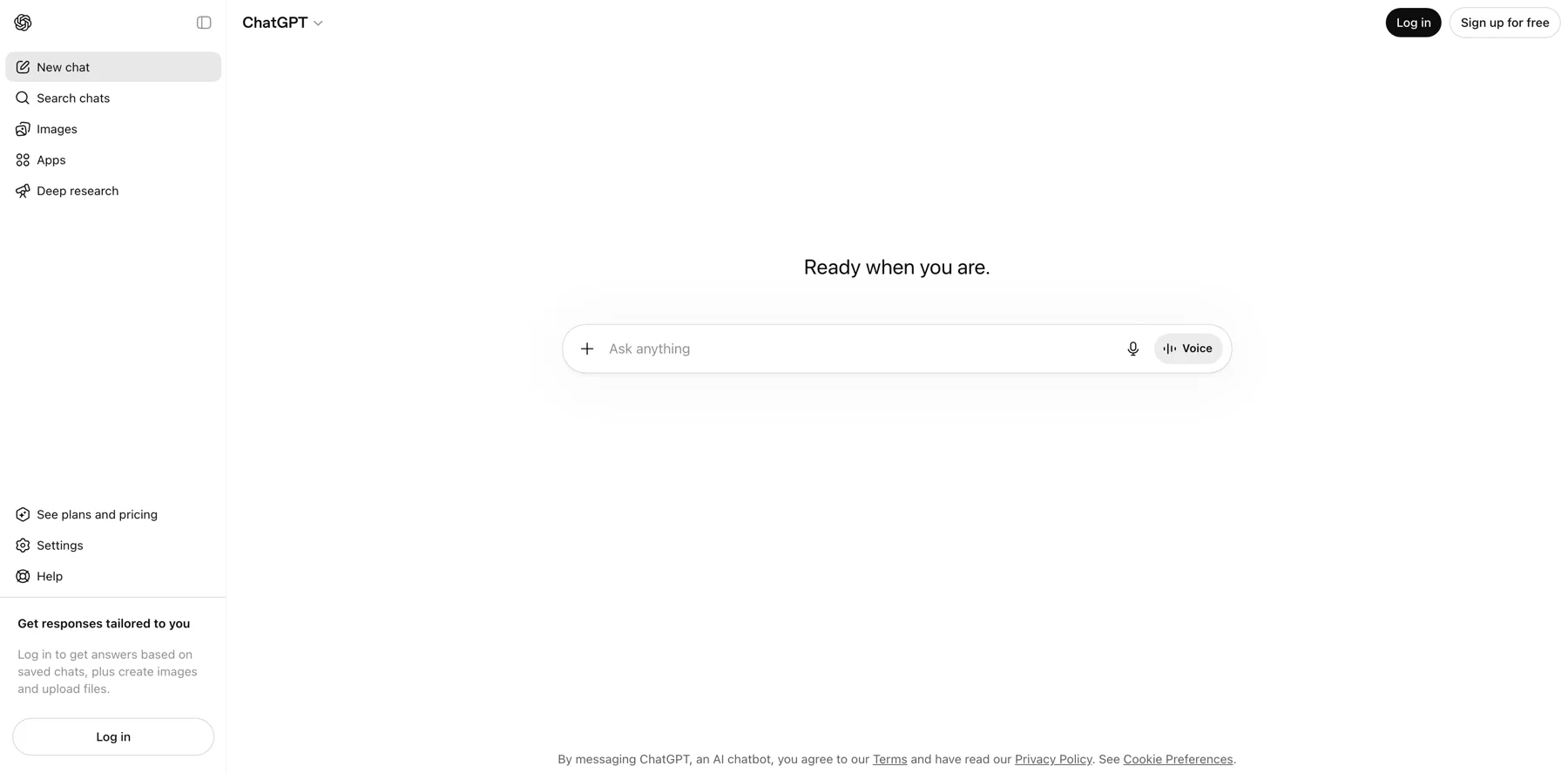
Have a look at the book writing GPT, book writing assistant GPT here inside ChatGPT, because you tell it what you want the book to be about, and it works you through a set of questions. To craft a working title, and then from that working title, you come up with a structure. So it says, okay, whose problem am I solving?
And it gives a suggested answer. What problem am I solving? What are the three reasons this is a problem? What are the three benefits I am unlocking? What promise am I making? What emotion am I generating? What's the next action my reader should take? And those are questions when you take a step back and read through them, they are the component of every good email, every good sales page.
Like it's not rocket science, those questions, but they make a decent book go to a great book, if you nail these questions.
Navid Moazzez: I think this is a good starting point for sure. Will you say this is how you did it with the Virtual Summit book? Or you did it a little bit differently. Of course, ChatGPT was not available back then. But did you do a similar process? Or did you just follow the structure basically? Because I already have the structure. Is this what you would do for a new book, for example.
Jan Koch: Yeah, for a new book, I would follow something like this. I can also show two other tools in a second for my book, Virtual Summit Mastery Method.
I followed a similar approach because the meat of the book was, of course, the seven step process, but that's in the middle of the book, you still need the introduction, the opening, and you still need an ending and in that part, you need to be really sure about, okay, I'm writing for this type of audience and I want to invoke this emotion in order to keep them reading and not put down the book after the third page.
So it was a similar thought process. But having these kind of AI tools would have made it a lot faster, even though I wrote it in like seven days.
Navid Moazzez: You did it super fast. I remember this challenge. I think you were one of the fastest ones to do it with Jasper back then.
Jan Koch: Yeah, it was an official challenge with Jasper back then, I think.
Navid Moazzez: Yeah, it was.
Jan Koch: I'm just walking you through this process right here with the book writing assistant. And this is kind of like being interviewed, right? It's like the AI is asking me questions about what things should go into my book. And then I can come back at it with feedback and say, okay, I want this angle to be a little bit different.
I want that angle to be a little bit different.
Navid Moazzez: The tricky part with this, I would say, is that you are using primarily the AI to create the content still. I think this would not pass as your own copyright. That's the tricky part. Especially if it's a, for example, you can never go with this book to a publisher that will never work.
That's also something to keep in mind. If you just self publish, that's fine. 100%. You don't have to worry too much. And I don't think anyone would just go in. I mean, it happens for sure that people copy books and stuff like that, but. Yeah, if they do that, fine. You don't have to like disclose you're using AI or something like that. You don't have to do it. I mean, if it's your knowledge, it's totally fine. It's like if you're using it for a blog post, but I would be a little bit careful with this process if you really want to own it 100 percent and actually be able to claim it in case someone copies this and publish the same book on Amazon.
If they do that, and you have used AI you cannot technically claim that like if you go to court with this They will actually they you cannot lie in court to say that you have actually not used AI You need to actually say that you have used AI and most likely you're not gonna win this in that case. I'm not a lawyer, but that's what I can assume based on what peter shared about all this kind of stuff
Jan Koch: Yeah, I 100 percent agree with you.
And here's one of the gripes that I have with ChatGPT in this process. I probably would not dive much further into this book writing assistant than outlining the chapters and having the structure in place, because the meat of the chapters has to be from your own knowledge, and you would never, never, never, never upload proprietary knowledge into a random GPT.
Navid Moazzez: Yeah, a hundred percent. This is so important. But I think we are going to get into that. The best is to use the AI as an assistant like this. Yeah, you can write every chapter with the AI too. You can do it for sure. But then is it really your knowledge? Yes, you can train it. You can upload stuff you want, and it can be for sure, pretty decent.
It can be good, but I would still get interviewed by someone to actually get like an hour interview has many words. Like imagine I have seven steps one hour interview for each one, that's a lot of words and that would actually be the book. Of course a lot of editing goes into this but you would have to edit anyway. So you would probably have to hire someone for the editing process of your book anyway and write it. If you want to have a ghostwriter, you can have a ghostwriter too to actually take your words to put it into something that makes sense. If you don't want to do it yourself, because of course, rewriting how you speak to a book form still takes a little bit of work. It's not to be looked down at. It takes time, but it's still a lot easier than you start from scratch on a blank page. I think that's how I would do all the books and people who work with authors, they actually do it in this way, they usually interview them and that's how they publish their books and get it out there a lot faster.
Jan Koch: Yep. I agree. And what I would do is if you are bound on using chat GPT and we'll show Chat with PDF and Perplexity as alternatives, I would create my own custom GPT.
We'll link up this instruction below. So it says is the book title, smart staffing. That's the title from the book writing assistant. We just got description. This GPT contains research and draft content to help me write my book. The chapter outline we just got. References for sources, the capabilities defined for the GPT and then a tone, a little bit of tone instruction and a little bit of formatting instruction, and then what I can do here is.
I can upload my knowledge to this one. So I can say, okay, we'll have this PDF and we'll have this PDF and we'll have some random PDFs in here, but I don't need DALL-E in here. I'm not using the conversation data to improve the open AI models. And you can feed the transcripts of those interviews, for example, into the knowledge in this GPT, so it can reference that.
And then when I save this, I say published to only me. So I'm not running the risk of somebody else extracting the data from this GPT, as I've shown in my AI for Creators session, it's quite easy to jailbreak GPTs. I'm not running that risk. If I only share this with my own account, nobody else has access to that.
So then I have my book writer AI, and I could say something like, help me outline the story arc for my book, and then it would go into the knowledge it knows my book is about how entrepreneurs can use AI to build the ultimate team. It now pulls from my information it pulls from let's say the transcripts of the interviews that you've done and now you have your own knowledge in the context of AI and I think at that point because it's primarily my knowledge.
I mean, you would still obviously need to tweak this and rewrite a little bit, run it through Grammarly and all those things. But I think now you have a better, better standing if it came to a copyright claim, because now it's on you.
Navid Moazzez: It's so interesting. I love that you bring this up, Jan, because it's interesting still.
I was like trying to push Peter on this one because I'm, I was like, for example, with Content at Scale, you can like generate this and then you add your own input and all this kind of stuff, even if it's your knowledge in this case. I think it's tricky. Like if you're using AI primarily as the writing tool to get this done.
But if you're like leaving it as that, this is of course not a book right now. A book is probably like, let's say 40, 50, 60, 000 words, maybe even longer sometimes. Then of course, this is just an outline. You could flesh this out a little bit more, probably, and still get away with it, especially it's your knowledge.
Maybe you take more stuff from your interviews someone did with you or something like that. But then like an editor goes in there and primarily the most of the book is actually done by a human. Then it's okay, then you're gonna own the copyright. But that's up to you to decide. Like, if you're just gonna self publish something, as long as it's your knowledge, it's fine.
No one is gonna care, probably. It's more, like, about you. Do you really wanna own the right to this work or not? I think that's something up to you to decide. Most people, of course, have published books with AI, and they have made a lot of money. That's fine. I mean, you can do whatever suits you.
But if it's for something that really is going to stand the test of time, I would probably own the copyright to it. That's just me.
Jan Koch: Yeah. Yeah, I agree with that. And a funny thought I just had is, if I use a local AI model, like you can download, uh, LLMs to your own machine and train them to be an author or an editor and tweak the words.
Yeah. Nobody would be able to tell because it's local doesn't have like a fingerprint or something doesn't have like any traces of AI, if you would say so, if you could say, I've written this on my machine, because it is in a Word document or whatever, on your machine, nobody will tell that, you can't show that it is not a conversation you had inside ChatGPT or whatever.
So. Tons of different things.
Navid Moazzez: It's interesting, but either way, you can get a lot of help with AI as you see here. I think that's the important, even when we do courses and stuff like that, which we have other sessions on, we use a similar process with the outlining and stuff like that. I think that's where you can take away from it.
Like the outlining, we always almost like for, even for sessions like this, we sometimes use AI to just flesh it out quickly and then we customize it based on maybe they don't get everything right, but then we can actually get more of the points you want to talk about, but it's still a lot faster. I think that's, you have your little assistant to help you in any way in your business.
Jan Koch: Yeah, and another tool I want to highlight about, specifically about AI as assistance is Perplexity. Perplexity is a wrapper around multiple AI models. They have their own, and they give you access to GPT 4, Claude, and their own. I think they dropped Gemini Pro now that Gemini Pro is out. I don't see it anymore at least.
But you can have collections in there. So one thing you have to be very aware of if you're writing a book is you will compile boatloads of contextual information. There will be tons of facts, numbers, historical references, maybe things that you need to refer to in order to back claims that you're making in the book, for example, and what you can do is you create a collection for this inside Perplexity.
Give it the same prompt as I've just given for the custom GPT. And here you can upload the information itself as well and say, help me integrate the research from the attached PDF into a chapter of my book that talks about hiring challenges and lack of labor. Then it would do the same thing. The copilot is active right now.
I love the copilot at perplexity for the, there's only pro plan that has it, but essentially now lets me dive deeper. Into what it is that I want to get out of this prompt. So I want to have the AI impact on hiring and how managers see AI also skip this if you wanted to, but then based on my response here, you can see it tweaks the research on the web a little bit, and it also references the file and it now gives me a very detailed answer. And I find that even though it uses GPT 4 or you can set it to GPT 4, I find that with this copilot, the answers are way more relevant than inside ChatGPT. It's way better structured. And you can rewrite this at any point in time. So this is, I'm not sure if I can, it doesn't show anymore what this was written with, but you can see it's only their own model, Claude and GPT.
But I can now rewrite this with a different model to see, what it, what the output looks like.
Navid Moazzez: Could you upload like audio somewhere as well? Like let's say you have audio files or like video files. I mean, I guess you could get, similar to what we have done before. You can like summarize this or get the takeaways or whatever. I think maybe it would be easier to just get the transcript. Yeah, transcript works really well. Yeah, otherwise they might miss stuff, right? I mean, it's still, this is the interesting part. I mean, I would be interested to see how Google's AI perform with Gemini or Gemini Pro. I think that would be really, really interesting to see because they have 1 million token limit.
That's crazy, right? Imagine, that would be perfect for writing a book. But I think, as we have seen, when a lot of stuff is released, that's just like a basically like being the best they say this that's like it looks good on the stats, but then is it really gonna be that good in the beginning? I don't know. We'll see how it is because if it is really working would be fantastic with the really long form content. I mean, that's what it is for but I think we'll miss stuff still I think that's how it's gonna be in the beginning
Jan Koch: Yeah, I think so too.
The AI researchers that I'm speaking to, they all agree that this lost in the middle problem still isn't solved and AI still has struggles with retrieving all the information from a given set of data, which is also Important to say, I'm glad you're bringing this up because this again shows that AI can only be an assistant in the writing process.
AI cannot do the writing.
Navid Moazzez: Hallucination is crazy. I mean, Amr of Vectara is like a big proponent. He's speaking a lot about this stuff. And I think Vectara is really good at that, but it's not a tool probably would use in your process as a creator necessarily. It's more for people building tools like you do Jan with SaaS.
I think it's great for this, but yeah, that's kind of what they're trying to solve the hallucination problem and a lot of this, but it's really interesting. I think we have tried this so much and it's almost always the case, the AI forgets stuff, even the tools that say, oh, we're going to pull out the best quotes and here and this and that, they miss stuff.
And they are charging sometimes hundreds of dollars a month for this. And it's missing stuff in the middle, like, and it's one of their core features. So yeah, it's a really important aspects to this. And here you see, of course, this is Gemini you know,
Jan Koch: Yeah, and i'm just uploading here. Here's the kicker.
You cannot even upload files to Gemini. I think I I might not be on
Navid Moazzez: the you need to have a paid plan now, right?
Jan Koch: Yeah, they do. Uh, I don't think I'm on that yet because it's literally that just rolled out a couple of days ago.
Navid Moazzez: It just got rolled out when we were doing this session.
Jan Koch: Yeah. Research how AI affects hiring.
But it's still good to show and build a story arc for my book. I think. When it comes to book writing, you have to think about the different steps that you have to go through, right? So you need to decide about, okay, what is the topic that I want to write about? Who is the book for? What are the benefits I want to cover?
What are the action steps I want people to take? What's the next step after reading the book? Then you have, kind of like the storyline format and I love how Plottr does this, by the way, sponsor of the AI for Creators Summit, Plottr. com, they don't have AI yet in their tool, but I love how they visualize the different chapters and the character development and the different elements of a book, even if you're writing a nonfiction book, you have to guide people through the book.
You'd need to hook them time and time again so that they keep reading and always have a little bit of teasers and cliffhangers and still give them enough to keep reading. And with that, I think AI can be extremely useful.
Navid Moazzez: Yeah, for sure. And I think tool like this can be good if you're not really familiar with how you would do the process.
If you have a lot of content, like I had for Virtual Summit Mastery, it's pretty easy to write a book around it, but still, as Jan mentioned before, you still need the introduction, you still need the ending. You need these kind of cliffhangers at the end of chapters, maybe some action steps.
You've probably done this in one shape or form if you have a lot of content out there, even like really big authors, like I remember back in the day, like Michael Hyatt's first book Platform, he took that from his blog, that was his blog posts, basically compiled into a book. So you can repurpose a lot of your existing content.
Maybe you have a really good course or which I've seen students do before for VSM, they have basically taken their content and put it into a book form. I probably wouldn't do that with AI for Creators, I mean, although I could do because AI is changing so fast. But I mean still could still be a book about AI for creators I mean could be a great book with resources and stuff and make it as evergreen as possible, you know. Or for list building, i've done summits on this, that can turn into a book based on the summit sessions based on the strategies on how to grow their email list.
I think it's It doesn't need to be that overwhelming to write a book. And if you have all this content with the videos, for example, it becomes easier. We talk about this so much. That's why personally, I know Jan starts usually with writing, which is totally fine. But I started a lot of it, a video process, because then I have the content already and then I get the transcripts.
I have the written form already and that's how I do it.
Jan Koch: Yeah. And here's something cool that, my friend Matthew Turner does a lot. He writes this book as fables. So what you can do is. Um, just invent a fictional character that you walk through your process together with and you position a guide alongside the journey that, that knows your process and teaches people through the process and you show the character development inside the book and that, that is pretty cool.
I think Built to Sell from John Warrillow also has this format. It's about an agency owner who hates his life being an agency owner, he goes to this really wealthy friend he had who sold multiple businesses and he says to his friend, I want to sell my agency and they go through some numbers and they think about, okay, do you have specific set of processes?
Do you have recurring revenue? What are you known for? Blah, blah, blah. And he says, okay, your agency is essentially worthless. And then the friend mentors this agency owner throughout the book, guiding him through restructuring the agency. And by the end of the book, the agency is a super well, well oiled machine.
He sells for like seven figures and up, but that's a good structure that you can take for a nonfiction book and still. We have a little bit of storytelling into it because what that does is it makes it easy for the reader to put themselves in the shoes of the character that is going through the process in the book.
That's one thing I would change if I would write another book. One mistake that I've made with the Virtual Summit Mastery method is not to use this fable format.
Navid Moazzez: Very interesting. I think that's for sure important. Another thing we haven't really talked about this too much. Because here's the deal. You might have some content, but it's still, you might want to fill it out and fill it out. The fluff is not good, but you might have successful students. I think I have a lot of them for Virtual Summit Mastery, and I could take the case studies. I have videos, even if they are just a few, like seven minutes long, 10 minutes long. I have some videos that are longer as well. You can weave in a lot of these stories into the book because stories sell. Like, that's the key here. So you can basically get into stories in each chapter when you talk about, let's say, how to come up with your virtual summit topic in this case.
Then I would like, okay, someone who struggled with this. Then I would bring in their story into that how they actually came up with their topic And yeah, of course I can tell my own story as well. I'm sure I do that within the book That's also important but weaving in your students or your clients inside a book is really powerful and that's gonna basically lead people, especially if it's a how to book because you want them to take the next step.
What is the next step? Probably getting into some premium course, maybe becoming your client, booking a call, signing up for like, let's say the resource for the book so they get onto your email list so you can communicate with them further. All of this kind of stuff is important. And I think by weaving in the stories, you're going to do a better job at that.
Jan Koch: Yeah, and it's not just about weaving and stories. You can see right here. I'm following one of perplexities suggested next questions. What are some examples of AI being used in the hiring process? And it comes up with references to different tools and things like that. So what you can do in a book is reach out to the people building these tools and ask them if they want to contribute an interview or a statement or a quote or something like that.
Navid Moazzez: Yeah, that's so powerful. Love this tip. I think this is good. And also what you can add to a book, especially if it's more technical book, like in this case with AI and stuff. You can have a glossary. Maybe you are not writing for the most advanced people. I would even have that for the virtual summit book.
I don't think you had that for VSM. I'm not sure but no I didn't I think if you had a time, I would have a glossary, especially if I would do it today. I would have a glossary for any like how to book that is like a little bit complex about list building or funnels or anything like that. I would put the glossary there or even if it's about health or anything like this.
And maybe you have your unique process. You can have words that you explain and you have that towards the end. I think that's powerful. Not, maybe you can explain certain things with the AI helping you, but you should probably, I mean, I wouldn't use AI too much for every single thing in the book. That's also why AI is an assistant. It's not a replacement for your own creativity and how you would actually structure the book.
Jan Koch: Right, right. I agree. And coming back to structuring the book, I think what we should also talk about is what the actual writing of a book looks like. So I think Perplexity is the best AI platform for doing research because also you can group collections and you can group the conversations into collections and name them and search through them properly and things like that. You can compare
Navid Moazzez: That's on the pro plan, right? And what does that cost usually? Is that similar to ChatGPT, right?
Jan Koch: Yeah, that's 20 bucks a month.
Navid Moazzez: I wish they came together kind of ChatGPT and Perplexity. I think I would love to see GPTs within Perplexity. I think that would be really useful. I mentioned this before. I think they have features that are good on ChatGPT and they have really good feature on Perplexity. But I do lean towards Perplexity a little
bit more for certain things. I think it's really good.
Jan Koch: Yeah, I agree. And what's cool is when you get your referral link, Navid, and you can set this up, I guess you get, everybody using that link gets 10 percent off.
So the barrier to trying is pretty low, I would say. So I would do the research and compiling the information inside Perplexity. I would probably still write most of the time inside ChatGPT because ChatGPT is back and forth, I feel is a bit more natural than Perplexity. So what I would do is please suggest three outlines for the first chapter, opening the book.
Then this goes into a very similar process that we've shown a couple of times when it comes to creating content with AI, you go from broad to narrow, and you start with this high level view of give me an outline, and then you go back and forth on the outline to make sure it's really good and it's the way you want it to, and you probably want to avoid any copyright issues. You only want to use the outlines that AI gives you if you agree with them, and then you want to write them, maybe record yourself talking the book, following the outline, but do not write the full content inside ChatGPT. I would probably similar to you, I would just record myself speaking into the microphone, speaking through the outline and then turning that into written form.
Navid Moazzez: You can do voice memos on your smartphone for example, that could be one way if you don't have someone to interview I think still is the easiest to get interviewed because then you have a set of questions and you're basically going through the questions. When you're just speaking, it's easy to forget stuff, although you can still have the questions written down, of course, you can do it.
I just think it's more engaging to do it this way, and that's probably my process for doing a book, but again, if you don't have anyone, I think that's the best way to do it.
Jan Koch: Yeah. What you can also do is you can cheat a little bit here and you can say, have AI interview you. And then you can speak those answers into the note on your phone or something like that.
Navid Moazzez: You can transcribe it after, I mean you can use HappyScribe or even Descript, which you have used before a lot depending on what you use, but yeah, if you just want a transcription tool, a lot of them do it automatically these days, so it w ill not be too complicated to get that.
Jan Koch: Yeah, but this is the approach that I would probably do.
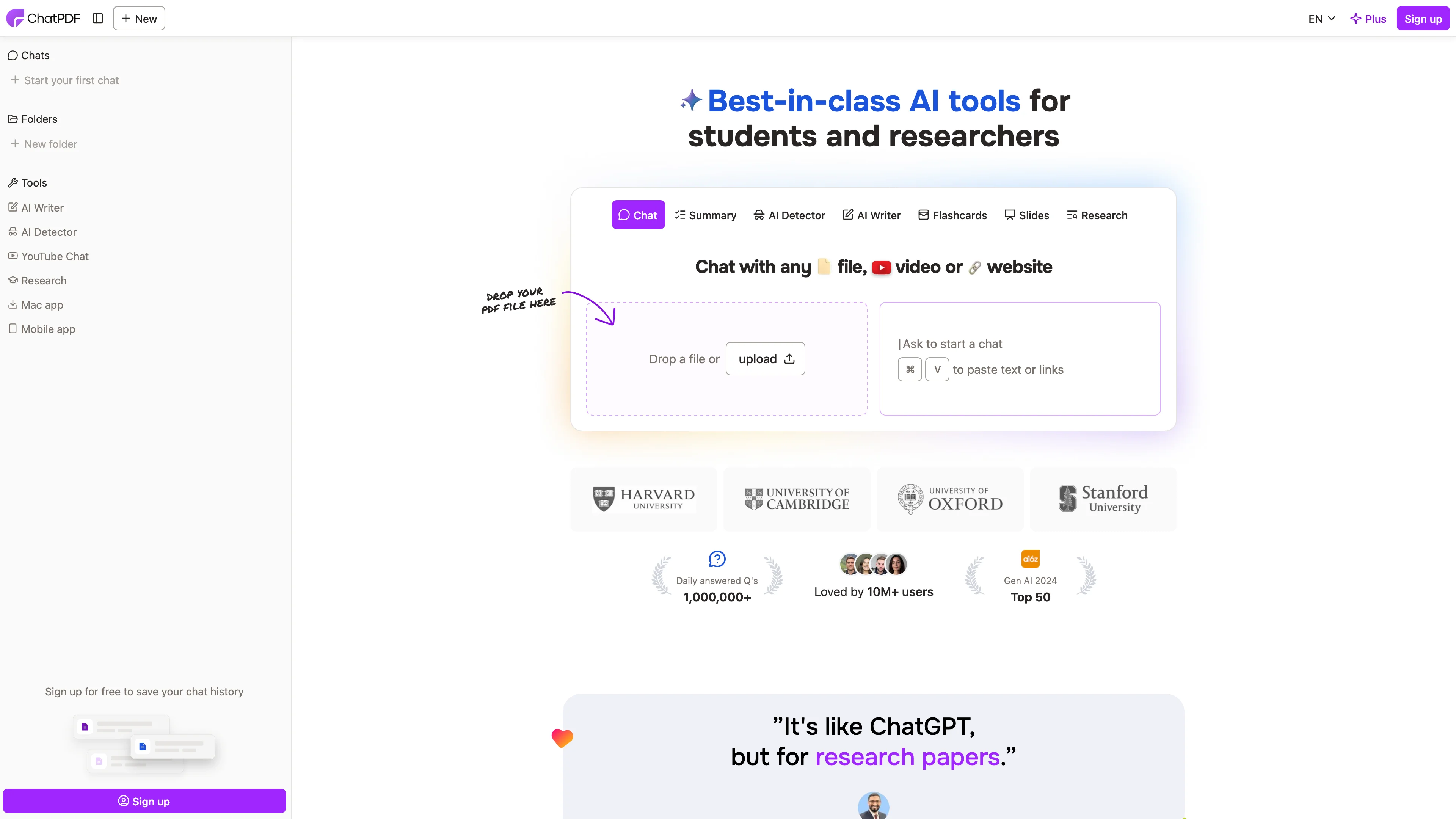
I would sort through the data inside Perplexity. Or what I also wanted to show is Chat with PDF. That's just a wrapper around OpenAI. You can upload on the premium plan, which I am not on. You can upload, I think, up to 3, 000 pages.
Navid Moazzez: There's another one, by the founder of Testimonial, is it to, I think, I think they, they have a PDF.
ai tool as well. I think it's still doing quite well.
Jan Koch: Damon Chen, I think, yeah.
Navid Moazzez: Yeah, Damon Chen, he has that tool. He builds pretty basic tools, but it's for like, yeah, it's not that complicated to do it. But I think if you just want to use a tool like that, it's great. But they have also some GPTs and stuff like that.
So you might not need it. That's why you have to see what gives you the best output. Sometimes a GPT that you like doesn't work and you have to go to the next one. That's kind of what we have seen for sure.
Jan Koch: Yeah, this is another good tool. And the reason to use this is if you really upload proprietary knowledge somewhere.
If you really want to use Open AI, use the open AI API, which is, which says you have to use a wrapper. You cannot use Open AI yourself because the API is GDPR compliant. And it clearly says in the terms that it is not going anywhere. It's encrypted all the way through. Whereas even if you build your own GPT, like I've done right here, and even if we go to edit GPT and say, we are not using conversation data to improve the models, there's nothing in the terms I've seen that says, okay, this is really private information. So I would still be cautious with this.
Navid Moazzez: 100 percent and this comes down to, we have talked about this a lot in other sessions, but it's the open versus closed systems. I think. This is supposed to be a closed system now because he unticked this box, but it's still anything with ChatGPT I consider open system to be honest to train the model whatever you or you might be breached or whatever I'm not trusting this 100 percent and that might get better in the future for sure. But it's so many users. I would still like be a little bit wary of this. This is like so many Millions and millions of people using this, right? But when it comes to these other tools we have mentioned You upload your knowledge like a knowledge base kind of I think that's great. I mean you can even have It's not really relevant for writing your book as much but like if you wanted to have a little assistant to your book that your customers or your readers can get access to maybe using Coachvox AI or Searchie for this and uploading this book into that platform, really powerful because then you could maybe even upsell people to this little thing or give it as a bonus when they buy the book during launch or something like that.
This I haven't seen a lot of authors do yet. I don't know about you, Jan, but I think No, I've seen nobody doing that. Yeah, I mean, I would be I'm surprised that Alex Hormozi and people like that are doing crazy launches for the book. I mean, AI was out. They didn't, like, do that. Imagine, like, being able to get access to Alex Hormozi's brain, basically, but in a chat format.
Super powerful. I mean, he could charge for this, Alex, if you're listening to this, you should do it.
Jan Koch: You could even build this yourself with all the content he has on YouTube. Of course, and people have done it.
Navid Moazzez: There's GPTs about Alex Hormozi, I think, and about the Huberman and these people. But that's, again, that's kind of their information. I mean, it's kind of like stealing their information.
Jan Koch: Don't monetize it, at least. If you want to use something, then use it yourself.
Navid Moazzez: I would not even do it, I would not take, because they're basically taking all their knowledge and building GPTs. That's questionable if you should do that, but people do it and it's fine. So that's, that's a side note. But these tools and Grammarly we have here, that's a powerful one.
Jan Koch: Grammarly is important for editing because we've covered the research, we've covered the writing, or the speaking of your book rather. I think then the next step would be you run this through Grammarly, you install it on your computer and it integrates with Word and Google Docs and all those platforms that you might use to write your book.
And this is a really good AI to simplify how you speak and how you write.
Navid Moazzez: They also have now generative AI features more, not just like rewrite a sentence and stuff like that, but actually I think you have an assistant so they can actually write more, like they can actually generate content, which was not the case before.
Of course, Grammarly, I think it's one of the oldest AI tools. I mean, it has been around for almost as long as I've been online, I think, which is kind of crazy. I don't know if it was around when I started, but for sure in the early days it came and, it has had AI for the longest time in terms of like updating like grammar and stuff like that Now you can generate, you know passive tone and all this kind of stuff and this is pretty cool here Yeah, I mean, but but I think the newer stuff is like the generative AI really that you can rewrite stuff and you can make it a lot better. I think even more than before That's what you see here.
Jan Koch: This is pretty cool. And I might even have a lifetime deal from Appsumo for Grammarly, flying around somewhere, but you can see all the different tools that integrates with, so this is pretty cool. And here's the most important point right there.
You own what you write. So this is why we have no problem recommending Grammarly for the editing process.
Navid Moazzez: Yeah, because it's mostly like you're editing your work. It's not like you're creating an entire piece of, you know, the entire work with Grammarly here. I mean, at least that's what I wouldn't use it for this.
That's not what people use it for. It's mostly to fix stuff, to rewrite stuff. And then you're actually getting, you know, a little bit help, instead of having only an editor, even an editor should use this basically and help them out. So I think this amplifies your editor or your team if you have them on board to have a tool like it Grammarly.
Jan Koch: Yeah, I agree, and then when I think about my publishing process for the book back in the day one critical component that I couldn't execute too much because I just had seven days Is the launch of the book and the preparation for that. So you've alluded to it a little bit earlier With the GPT and uploading your book into Coachvox AI or something like that.
But what you can also do, of course, is you can simply ask ChatGPT, help me create a launch plan for my book about AI and hiring processes, ask me four questions, so you can craft a compelling and highly converting launch plan. And then this is the regular process where you turn AI into an interviewer.
And instead of you telling the AI what the launch plan should be about, you have the AI ask you questions about the book. About the value proposition. You can see right here. What are the goals? What resources do you have available? And you just work through that process. You give it the timeline, you give it the audience, you give it every information it needs to know.
And then the AI helps you create a good launch plan for that.
Navid Moazzez: Yeah, it's a similar process you would actually go through if you, let's say you had a team meeting. And we will have, we will go on Zoom or something like that. We will discuss that. It's a similar process we would actually go through. But here instead of actually having someone working for you, maybe you're just starting out as a solopreneur, you don't have a team, and you don't have someone to discuss this with. Well, you have the AI to talk this through. Of course, you have to see, okay, does it make sense what the AI says? But here, you're just having a conversation, and the AI is going to guide you through it.
I think that's one of the best ways to actually use AI tools, and especially ChatGPT.
Jan Koch: Yeah, yeah, I couldn't agree more. And there are so many different ways you can launch a book, depending on the market that you're in and the resources you have available, that I think it's just good if, I mean, if you can afford it, I would probably, and if you're really serious about the book, hire somebody who has done this before and who can guide you through the process and who has connections to the press and media outlets and things like that, But if it's a self publishing book and you're not trying to be a Wall Street Journal, bestselling author, I think this is a really good process because it shortcuts the learning curve for you.
If you don't have people lined up and on the day when you hit publish and the book goes live, you won't see any sales.
Navid Moazzez: Yeah, so the thing is, like, you can actually become a Wall Street Journal bestseller with just a self published book. It's not as common, but New York Times bestseller is very difficult as a self published author to become.
Usually it's, uh, when you have a publisher. But I think with an, becoming a number one Amazon bestseller in your category, very doable. Even like the Virtual Summit book Jan published and he didn't have like a huge audience or something like that for this, that hit the bestseller list. And he's not like this wow thing.
It's not that complicated to do it. If you launch it like for 99 cents or some people even launch it free sometimes, but I like 99 cents. I would still get buyers. I think it's good to maybe 99 cents, I think would be a good way to do it if you wanted a lot of people and then you can increase the price slightly for the book and if you have an email list, that's what I would probably go for. They would be your, what do you call it? Like you have your launch, basically your book launch team members or something. That's kind of what people do, right? They have their launch team, essentially.
Jan Koch: Yeah.
It's kind of like back in the day, it was a Facebook group where you got people hyped up and got people excited about the launch.
Navid Moazzez: I think sometimes people still do these for launches. I mean, even for like all the affiliate launches, I'm a member of many groups, they still have these. It's not as much as before because Facebook is very noisy and people don't like this as much anymore, but they still use them.
And I think it's powerful to gather people. I mean, Alex Hormozi, we mentioned him before for one of his launches for a $100M Offers and a $100M Leads. I think he had like, I mean, that was like crazy amount of affiliates. I don't know how many, it was like tens of, I don't know, for sure tens of thousands maybe.
Jan Koch: Yeah, it was tens of thousands. Yeah, it was insane.
Navid Moazzez: I mean, of course not every, it's like 80, 20, right? But still, I mean, I'm sure a lot of people spread the word and he had some gifts and swag and whatever. So people felt excited to share it. This is a very expensive book launch. If you just want to hit like a best seller and make it as an authority piece for your business and it's your first book and you don't have this kind of money behind it, just do a simple launch with your email list or something like that.
And I think it's difficult to start with a book and you don't have a list. I think that's important to note. Like what kind of audience will you pull from? You need an audience somewhere for the book. So I would not really publish a book as the first thing, unless I actually have the audience, because like a virtual summit, for example, and I'm a big fan of this, obviously, is something that will build your audience far more then just a book will, and then you will struggle more to actually get the book out there. Plus the book doesn't really make that much money. So it's like you're spending all this time for, for what, like if you're starting out. So that's what I would say.
Jan Koch: Yeah, absolutely agree. And what you've seen right here is it gave me now a three phase launch plan with a teaser campaign, cover reveal, countdown series, launch week.
And then the post launch momentum so that you get into the building, the thought leadership with the weekly email series and things like that. And I've given it some feedback here because three weeks seems not remotely enough to get people excited. So I told it, okay, let's do a 12 week timeline.
Navid Moazzez: Yeah, I think for a book, the interesting part is they need a little more time to get people hyped up.
You see for these big launches, I mean, you. are not going for, let's say the New York Times, like Ali Abdaal just published his book, the Feel Good Productivity. He was like, he was talking about this book, like a long time, like a half a year before it even came out, even longer. Same with Noah. Yeah. Noah Kagan as well.
Like they were talking about it, they were actually Ali Abdaal even more. He was involving people in the book writing process. Yeah. I think that's something you can do if you have an audience to involve people on the journey. Hey, I'm writing this chapter now. I mean, and do you wanna read a draft of this chapter?
You can even invoke people on this and get feedback. I think that's really powerful, especially if you're a newer creator and you don't have this massive audience. Even bigger creators do it, like Ali Abdaal, like involving people on the journey on his YouTube channel, sharing videos about writing his book. Very powerful and underrated.
Jan Koch: Yeah. I couldn't agree more with this. And this is where AI comes in handy quite a bit because you can tell the AI, okay, I've got these different channels. I can communicate with my audience or maybe I have no audience whatsoever. I'm just starting then, as you said, maybe writing a book isn't the smartest way to go into a market, but if you still want to write the book, AI will give you ideas how to find the audience and how to engage with them.
Navid Moazzez: Yeah, I mean, some people might have a book as a passion project as well. Chandler Bolt talks about this quite a bit. Some people want to write books just because they have this as like a life goal. That's fine. You might not need it as this massive piece. It can still turn into something big that it turns into a business.
But if it's just something you want to do, by all means, go for it. But if it's like, hey, I'm going to actually grow my email list. I'm going to do all these things. And it's actually your first thing you do. It better be a really good piece, you know, a really good book and like revolutionary in some way.
And then you can probably reach a lot of people because good stuff usually gets out there in some way. Like if it's really good and you know, there's for sure people who have started with a book like Tim Ferriss. He was not really famous when he wrote the Four Hour Workweek. For sure not. He had some business success, but he didn't have like this massive personal brand.
But then he went on all this on all these podcasts. So what you would do if you don't have an audience, then he would actually reach out to all these bloggers. Actually, he went to bloggers back then. That was not so many podcasts around. He went to all these blogs and he got featured because it was a new concept that he was teaching.
So you can get on all these health blogs if you're writing about this or mindfulness blogs if you're writing about something. Or in Jan's case, he would try to go on all these kind of techie AI podcasts and speak about the book there, or speak about the concepts in his book rather. And that would drive quite some people to his new email list about AI in that case. I think that's how I would do it if I have a very small audience.
Jan Koch: And that's even what the big shots do. I've seen Noah Kagan say that he's been on an interview tour for 18 months prior to the book launch. So you just have to invest the time, I guess. And that's also where having a strong network comes into play.
So whenever you go onto a podcast, you always ask for referrals and say, okay, who else should I speak with that has a podcast who I would be a good guest for.
Navid Moazzez: But it's important when it comes to this, Lewis Howes talks about this quite a bit, that you don't ask for anything for a long time, but when you need it, you can actually ask for your shots basically.
So that's what it's about. You're helping people all this other time when you're not having a launch, like when you're not having a summit even like anything, you're helping other people. And then when your things comes up that it's really important to you that it does well. Then you can ask for help, or you can ask for go on the podcast.
You can say, hey, I have this amazing book coming out, would you like to interview me for this? Most people are going to say yes to this request if you have helped them enough in the process. And of course you need to have good content and all of this, but if we assume you have great content, other people will probably want to share that content.
But if you haven't helped anyone else, Even though your content might be good. It's not always like hey, I'm just gonna get you on here just with short notice not gonna happen sometimes. So that's what I would do and that's, yeah, you can compile even like lists of podcasts and different things. You can get help with AI with some of this but rather going to Apple Podcasts and stuff like this you can like find a lot of this stuff usually but yeah, AI can for sure help with some of this and yeah, this is why Rachel Miller... this was really popular on the AI for Creators Summit. So that's why we want to show this. We'll link this up in the description here as well below the video.
Jan Koch: Yeah, I'm really excited to test this out myself when I've got a little bit more time on my hands because what you can do is to spice up the book launch.
People often give bonuses for the people who pre order, for example. So what you can do is you use AI. We've got the video on creating mini offers and mini courses and things like that. You can also use tools like Bizzy AI where you can create digital products using AI. And if they compliment your book, they will be really good for pushing people over the fence who are not yet ready.
Navid Moazzez: So, so good. This is like, you can create resources, checklists, anything. This is also a nice design. If you're not a designer, it's gonna do it instantly. You just have a bit of, I mean, you answer a few questions, basically. That's what you do in there. And then you're getting all, you're getting the output basically as a checklist or you can have it as a lead magnet as well. It can be anything, but it's really, really useful to be honest. These look really good. Yeah, they are good. They are. I mean, this tool is actually really good for anyone to get in there.
You get the design, everything ready. You can tweak things as you wish. You can add your brand colors. It's a great tool. I think it's handy for sure. And it's pretty affordable for what it can do.
Jan Koch: Yeah, I think that's a good way to wrap up the AI Author Secrets, Navid. If I were to summarize my experience from 2022 to now, I would mix more tools together.
I would go into research with Perplexity. I would create the story arc and the outline in ChatGPT and a custom GPT. I would speak the book and use the transcriptions as the content for Grammarly to clean it up following the outline from ChatGPT. I would probably use Bizzy AI to create promotional resources and bonuses.
And then I would go on a heavy, heavy, heavy podcast campaign. So probably needs like 6 to 12 months of planning, and so that you get onto the calendar and onto the schedule with those podcasts before the book would actually be out.
Navid Moazzez: If you wanted to make a big splash, I think the podcast tour is great.
I think especially if you can reach some bigger podcasts as well. But even the smaller ones, as a small creator, I think it's underrated. You're getting backlinks also to your site and stuff like that. And what you mentioned with Bizzy AI, or creating these resources. I think what Jan refers to here, you can have it as a launch resource, like as a bonus for the book, but like inside the book, let's say they go in Amazon, they're buying your book randomly.
Basically you can have, let's say, you know, aiforcreators. com slash resources or whatever, like creatorschool. ai slash resources, whatever, resource book or something. You go there and they get like, they can enter their email address. I think that is the key. You're building your email list with your book in that case, and then you deliver the resources because otherwise you don't own the customers, it's Amazon basically, or wherever they buy the book.
It's not usually on your website. Of course, you can set up a Shopify or whatever, you can sell your book yourself, but most likely, most people are going to buy your book off Amazon, or if you have it published, you will be in bookstores or a Barnes & Noble or wherever they buy books, but you can have resources and they can actually download this and then you build your list from it.
I think that's powerful. Yeah. That's what I would say here. I hope you found this valuable. And if you have any questions or takeaways from this session, leave it in the comments below. We will link up some resources. We have mentioned quite a few here, different tools we use in the process. Try it out. I mean, this is the process we would use if we're writing a book, and this is not replacing our brain or anything like that.
This is actually using AI as an assistant in the book writing process. And I think then it will be a much better quality of work as well. So with that being said, I'll see you in the next session. Ciao for now.