AI writing mastery with ChatGPT
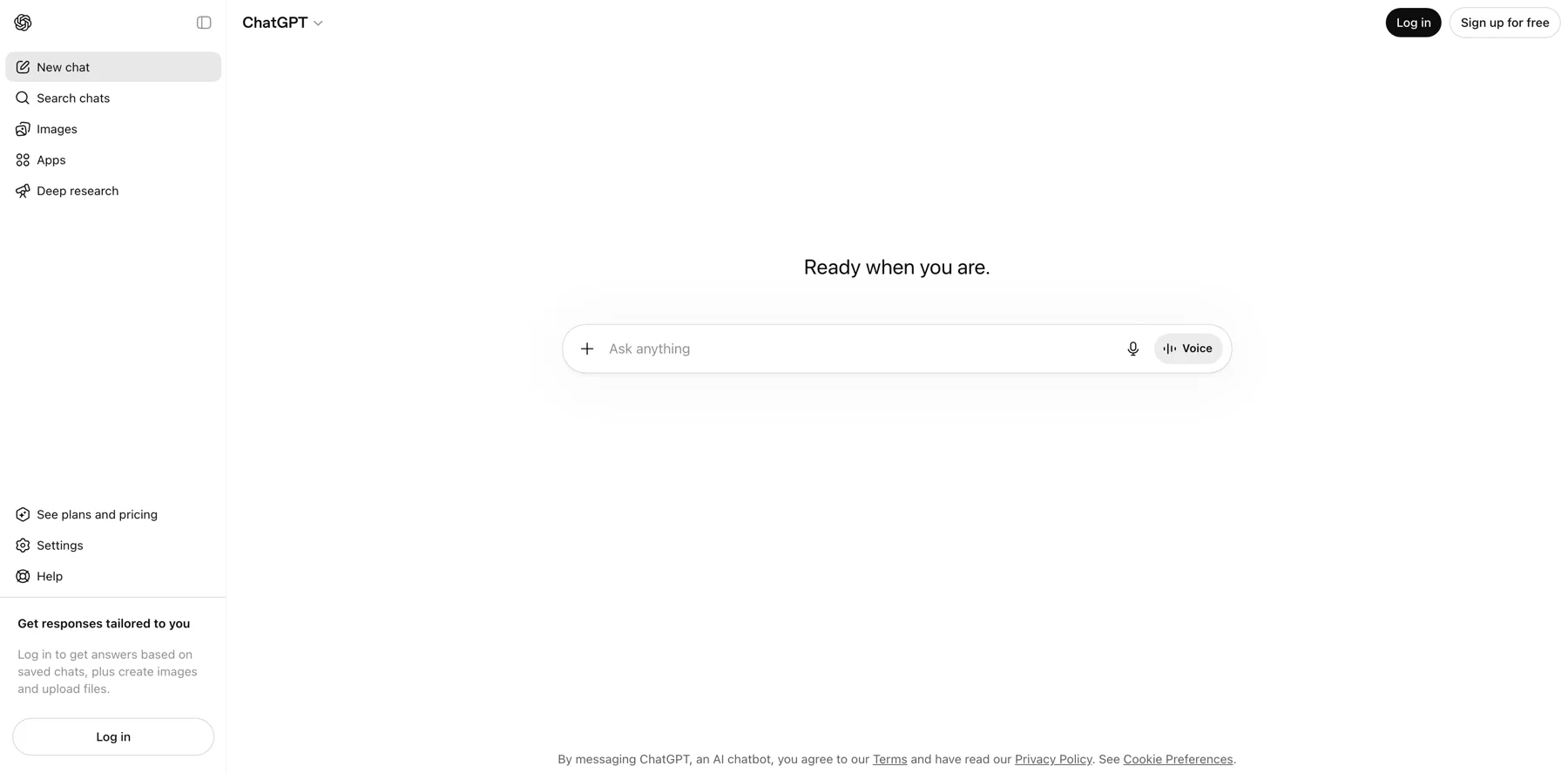
Navid Moazzez: In this session we will talk about AI writing mastery for ChatGPT and especially when it comes to writing more in depth blog posts and we'll get into a little bit how to do this for social media, for newsletters and things like that as well but the principles are essentially the same when it comes to this and now we're going to show you with ChatGPT .There's also other tools that can maybe write blog posts In a better way, but if you are, you know, I've been dabbling in the AI world, you are familiar with ChatGPT, you might even have the plus plan.
So that's why we thought we'll do like a tutorial for you and a demo here to showcase this from start to finish what this can look like. So with that being said, I'll bring on Jan and we have some prompts prepared and also like an example for you, to do this, with, you know, any form of content, but now we start with a blog post.
Jan Koch: Let's do this. So, this is the prompt that we've prepared and you'll find this as well in the bundle. ChatGPT, take on the mindset of a master blogger. I'm targeting readers interested in, let's say, email marketing.
Navid Moazzez: Jan, would you say a specific name of a blogger? Would that be helpful, you think?
Jan Koch: We could do it. Yeah. Like Ryan Deiss maybe.
Navid Moazzez: Yeah. Let's say Ryan Deiss or yeah.
Jan Koch: Brian Dean. I think what's important to clarify is , if you take names, make sure there's a boatload of content. For those people available. , if you put yourself in there and you've written 50 blog posts, chances are ChatGPT doesn't know you.
Navid Moazzez: You know,, we are having a conversation about this a lot on a side note, but like for personal branding, I'm just telling Jan, you need to get your personal site out there and Dennis Yu, like he's
Jan Koch: And I couldn't be less bothered by it. Yeah, yeah.
Navid Moazzez: He's not so bothered about it. , but you see, we'll have a conversation offline about this because the biggest CEOs, they do have sometimes like a personal brand, but Jan is less focused on it. He's building his Kobra.
Jan Koch: I'm building my AI SaaS right now. That takes a lot of time, but essentially I am with this example, we are creating content for people interested in email marketing for course creators. So I assume my target audience has an online course.
They want to sell it via email within the. Uh, should we do the cliche fitness industry?
Navid Moazzez: Uh, fitness industry, okay, yeah, we can do, like, or maybe something different, like, maybe say the mindfulness, mindfulness, Let's see, okay. Maybe you are a yoga instructor or something. Or like, no, a meditation coach or something like this.
Meditation.
Jan Koch: They are meditation coaches. Very woohoo. Of course.
Navid Moazzez: Getting into that.
Jan Koch: We're not trying to play you down.
Navid Moazzez: No, but I'm doing meditation and stuff like that. It definitely helps. But it's just, uh... Let's see if ChatGPT comes up with something good.
Jan Koch: So remember, we are... We are an email marketing coach and we serve people in the meditation and in the mindfulness space. So now ChatGPT came up with these five blog titles that are relevant for meditation coaches. Elevate your meditation course sales with Zen email marketing techniques.
Navid Moazzez: You know, this is so smart.
I saw my Kim, like basically he's, he's, he's not in the, he's basically doing something for health practitioners. It's really smart because they are coaches, they have clients and things like that and he's a brand, a master brand builder and copywriter and things like that and he's hosted a virtual summit for them and basically like going into a different market.
This is a great idea actually , if you are already have an expertise but you're not doing for everyone, you're doing it for a specific group of people, it's a great way to market yourself and stand out.
Jan Koch: Yeah, yeah but couldn't agree more and the relevance. And the connectedness to your target audience is so important these days and this is also why we structured the prompt the way it is.
But let's take one of those examples. I really like this one. From mindful messages to full classes. Full classes is the one thing that you want to have if you have online classes. Crafting email campaigns that resonate with meditation seekers. The second part also gives you the reassurance if you are a reader.
Gives you the reassurance that I, as a email marketing coach, understand that you want to talk to meditation seekers. So I understand your target audience, essentially. And we'll talk, um, this one in this prompt chain that we're going through. Let's copy in the next prompt that we have in the chain.
Navid Moazzez: Jan, talk a little bit about...
What kind of, what prompts work well and like, what is the power, especially in like, ChatGPT, you need to use , pretty good prompts to get somewhere. And there's different ways of doing prompting, right? You're using like here, ChatGPT, you are a master blogger and you have experience in this topic, right?
That's kind of what you're doing now. You can also go with the approach of having, asking questions. Maybe you are not as sure what you're doing. So, What approach have you found working well, especially when it comes to creating like longer form blog content in this case?
Jan Koch: For longer form blog content, you really need to know what you want to get out of.
And for a good prompt for this is it has I think three to four components. So, ChatGPT needs to know who you are, who you want to reach. What you sell and what makes you unique. And a couple of these, items you find in the first post already, because it says, I am targeting readers in email, interested in email marketing for course creators.
So this is who I want to reach. This is... More detail on who they want to reach. What you're not seeing right here is who am I, what am I selling, what makes me unique, and this is what we craft into the next couple of prompts here, because right now, because this is not in the, in the first prompt, there's no specific offer.
As you can tell, this is just talking about email marketing, but it's not eluding to, okay, this is, uh, buy my course, or hire me as a coach, or have me review your sequences, or something like that.
Navid Moazzez: But this is also free content, right? This is going for a while. Yeah. You're not going to be overly pitchy. You might have a lead magnet or something in this post.
Jan Koch: Yeah, we'll have a call to action. And in the prompt where we write the call to action, we'll also include obviously what the CTA is about and why they should take care of it and take it essentially. Yeah, but this is , what we're doing right here is called prompt chaining. So essentially we have a conversation.
We build up from prompt one, two, three, two, four, two, yeah, and work our way. Through the entire article and this is going to be quite an in depth article We're not writing the full thing in this video because that would be boring for you to watch It's essentially executing the same prompt over and over again.
Navid Moazzez: Yeah But that is the thing with ChatGPT you you if you did it like in because you have a you can Something else you can talk about is the limits of tokens, right?
So you cannot do unlimited or something like that in a lot of other specific tools, you have a lot more and you can do like a 3, 000 to 4, 000 word article. That's not going to be possible, like to do it in one chunk with ChatGPT, so you need to do it in... In different prompts and prompts, there's a prompt chaining, right?
You need to go through this process and then you have a pretty decent article. And that is the difference , when it comes to ChatGPT versus something like Content at Scale or Surfer SEO or some other tools as well out there.
Jan Koch: So, yeah, yeah, that's a really important point. And you can see right here, it has.
We've just created a pretty long outline already. So for the intro, we want to hook the reader with mindfulness and meditation. Of course, introduce importance of effective email marketing for building community and filling courses. That's the goal that our readers want to achieve. And this is the goal that we want to achieve with this blog post, Guiding Course Creators and Crafting Resonant Email Campaigns.
And this is obviously... It needs tweaking to your tone of voice. This is very generic right now, and it's on purpose because this is something you have to create for yourself.
Navid Moazzez: . And another note, do you put in, let's say you're doing something like that, we talked about this in a different video where you give it like a brief intro, but like the custom instructions, does that matter a lot for this or is something...
Jan Koch: Oh, this is really important, yeah.
Navid Moazzez: Yeah, so let's talk about this briefly, so because... That is, if you have the plus plan of ChatGPT, you can add the custom instructions there and that, that helps. I mean, basically you could add it to the main prompt, but it's just going to take longer time. So it's better to add it over and over again.
Jan Koch: Exactly. Yeah. So there's a custom instructions point right here where I have a little bit in there, but this is not relevant for this example. So I should probably take it out. Essentially, this first one is giving ChatGPT context about who you are, so everything, the most exciting stories about yourself, why you started creating, um, who you create for, what type of content you create, your tone of voice, past experiences that you talk about in your content over and over again, your offers, that's That content goes into the first prompt.
Navid Moazzez: What should you do if you don't have, maybe you're a beginner creator, you don't have, like, everything defined yet? What is the bare minimum to put in there?
Jan Koch: The bare minimum is your personality. Like, even if you're just starting as a creator, you have a reason to start, put that reason in there, you have a goal as a creator, put that goal in there, you have a rough idea of who you want to serve, who you want to reach, put that in there, and remember that this is is subject to change.
Humans change. And as you evolve, I don't even, I've lost count how often I've changed my brand over the past decade.
Navid Moazzez: That's why I noticed your site is sometimes offline and then it's coming live in a different site, you have redirected it, but yeah, it's funny.
Jan Koch: That's what it is, right? We change as humans and I'm excited about something else than I was five years ago, right? That's fine. And you just update this stuff as you evolve and as you go along. And for this one, how you would like ChatGPT to respond, you put stuff in there like a friendly tone of voice.
Navid Moazzez: Yeah, you can say also,, use short sentences, don't use overly long paragraphs, to, to, because I, you know, when you, it's something important when you're writing blog posts, and I see a lot of people who are not, like, coming from the blogger world too much, especially as a, maybe you're coming from the YouTube world, or you're coming from, and I see even this when it comes to, like, writing emails from some creators, which is, I'm not going to mention any names, but they are putting, like, I need to read their email, it's got to be,
10, 10 lines or something like that. I'm not reading that. And it's like really small, , because they didn't change anything in their email marketing tool or their blog, whatever they're using. Use short sentences. Look at, you can look at my site, you can look at Brian Dean, you can look at Neil Patel.
Look at bloggers who are doing this for a decade or something like that. When you look, don't look at your favorite YouTuber when it comes to writing, writing content, because they're not, that's not what they started out. Like if you had like a million, two, a few million subscribers, they might not know.
How to write the perfect SEO driven blog post if they don't have a site that, that, uh, that is like ranking on more than their name because maybe they have traffic for their name, but they don't have any content that ranks. This is very different.
Jan Koch: Yeah, that's, that's a good point. And essentially, this is what goes in there.
So I've closed this by now because I want to get back to this outline. Sure. We have a couple of sections in here, we have a conclusion paragraph. This is by far not the final article, right? So, the next step is... Get the introduction written.
Navid Moazzez: And you don't have to write, for example, when it comes, like you see it, ChatGPT is writing section one, you don't need to do that.
You can also, something I like a lot, for example, when I'm writing, I ask questions in, in, in my blog post. So what, what are, let's say I'm writing about the tool, like online course software, I might ask, what are the best , online course platforms, that's a question that is an H2 tag, this is important to talk about, you need like, to have your headings, right, your title is an H1 tag, that's automatic basically, but inside a blog post you have an introduction, which is really friendly, to the point, like, where you say, in this article, in this post, or in this guide, I'm going to talk about X, Y, and Z.
You get it really straight to the point, or have like something to lead into it, maybe some stat, or something like that. And then you get into it, maybe have a table of contents, and then you get into the first H2 tag. That's basically the headline for the first section in your article.
That's how you do it if you're a beginner to this.
Jan Koch: Yeah, that's a really, really important point. And what we'll do with this is it builds on what you just said. It just tells ChatGPT, I need an introduction, and I've copied the title in here. That uses master copywriter techniques to engage the reader immediately, it should establish relevance, evoke curiosity, and assure the reader there are fine solutions within the post.
The tone should be friendly but with authority, and you can fill in the blank right here, or leave this out if you filled out the custom instructions.
Navid Moazzez: How long is this article gonna be? Like, what do you think?
Jan Koch: As long as we want it to be.
Navid Moazzez: I mean, uh, what, okay, so that is also another thing, which I've seen, you cannot check this in ChatGPT, it's a little bit harder, but you can, what is important, especially if you're, maybe you're doing this for a brand, like Jan might do this for his company, or maybe he's, now we are doing this in this case, you have basically a, In email marketing, you're writing for this type of people in the mindfulness practitioners or coaches.
You might want to check who is doing this, actually. You might want to check what kind of content that ranks and how long this content is. I think then you, because you don't need to necessarily do too much longer content than them. You just need to make a better article. So if the top ranking posts are 3, 000 words, you might, and then tools like Surfer SEO can give you information about this a lot easier.
Because then you can see what kind of keywords and stuff to add, sprinkle in. That's more advanced strategies. We might cover this in a different session. But it's just something to keep in mind. So when you're writing articles, you say, I only want to write a thousand words. You don't really decide how long your content is going to be if you want to rank.
That's really an important thing. You don't decide this. Google decides this, right? You're not going to rank for a thousand words. If the top ranking post is two to three thousand words and Google wants two to three thousand words as the top spot. I think that is just an important distinction and I think you need to think about this when you're writing content for SEO.
Jan Koch: Yeah, very important point and, This is also an example of where I personally would create, would update this quite a bit. Yeah. Because this is, it might be your tone of voice, it's not mine. For the example, we'll keep this, but what I want to change is that there's suddenly, it starts talking about SEO strategies.
And SEO strategies have nothing to do with writing email campaigns.
Navid Moazzez: This happens sometimes in ChatGPT that can like have its own life, unfortunately, but , it's artificial. , you need to like work with AI, you know, you need to tweak it. But also I do think the paragraphs are way too long, man.
And the sentences. Yeah, to some extent it's, it's not doing quite good. Uh, but yeah, that you can put in, in the instructions, I guess, but sometimes it doesn't do you know the best job, with that?
Jan Koch: Yeah, , it, it would have, but the instructions are only relevant for new chats. And since I edit the instructions after creating this chat already.
Right, right. They don't reflect on this.
Navid Moazzez: Yeah, so if you're starting over, you will do better. But for sure, add that in custom instructions, that you want to have short paragraphs, short sentences, and not like a lot of, you know, fluff, basically, like a lot of, because that's sometimes, AI adds a lot of fluff that is not needed, to be honest.
Jan Koch: It's true. It's true. And that's why I like to use a more down to earth voice. That's always a good feedback.
Navid Moazzez: And first person, if you're writing as a personal brand, for sure. If you're writing as a company, you might have We or something. But yeah, if you're writing as a personal, you need to write as a first person.
When you're talking , to your reader, say usually, don't say you guys and things like that, try to say you, like you're writing to one person. It's much easier to write content if you're writing to your best friend or something like that or, I mean, or to your favorite client. Let's say favorite client in this case.
That would be way easier.
Jan Koch: 100%. But now this, this is, uh... more in line with what I would like to see. And obviously, as you're working with ChatGPT to write content, and if you really want to master this, this will be a back and forth process. This will be an iterative thing. It's not like you give one prompt and it magically spits out the entire blog post.
Even if people selling prompt packs try to promise you that, and they give you like 5, 000 word prompts,
Navid Moazzez: Let me tell you something here, which is interesting. I think. And I, based on this process, , you are watching this now if you're here on this, on this workshop for AI Writing Mastery for ChatGPT.
I think ChatGPT is great if you are maybe on a budget for this. If you're a blogger, you wouldn't use ChatGPT for your content writing. You would use it for ideation, maybe for an outline, stuff like that. But then you would bring it into a tool like Content at Scale or Surfer, and you will do the main work there, if you want to use AI.
This is not going to scale, like if you're an agency, or you want to actually produce content like a SaaS company or something, producing a lot of content. You see, this is a process, this is like good for learning, this is actually really good for learning and prompting and actually learning how ChatGPT works.
So I would encourage you to do it from this standpoint, but if you want to produce really great content for your blog, like in Content at Scale, you have a few questions, It spits out an article that it's amazing, like we tried something with Klavyio, which is an email marketing tool for e commerce sellers, we just put in the keyword, and basically there's also integration with keywords tools in Content at Scale, this is not something you get as easily with something like ChatGPT. So just keep that in mind. The tool matters, but from a standpoint of getting started and learning ChatGPT, this is fantastic.
Jan Koch: 100%. And to be fair, let me show you one thing really quick. With the plugins,
Navid Moazzez: Yeah, the plugins are...
Jan Koch: You can have SEO plugins in there.
Navid Moazzez: Which one exists for, for... I've seen a few.
Jan Koch: There's, SEO, where we have AI SEO article writer or repurposing, so you could even repurpose YouTube videos into blogs, but that's probably... That's interesting. That's a different video, probably. Yeah. , because this dives into very specific type of writing.
Navid Moazzez: Let us know if you're watching this workshop, let us know if you want to see more about us showing some plugins for, because there's so many, you know, like similar with extensions for Chrome.
It's too many, but we can for sure show some useful ones if we are finding them. For sure using some, I like the Canva one for example, but for SEO, I haven't tried them like for example, Content at Scale integrates with Keyword, I think Keyword Finder. What is it called? Keyword? I think it's Keyword Finder.
I think so, yeah. Yeah, and that's a really powerful keyword tool and that's, that's included in Content at Scale. That's a paid tool. So sometimes when you go into other tools, they include other things for free, essentially, like that is That is the power, but ChatGPT is good for a lot of things, and you can see here how to use it. So let's continue to do this kind of process.
Jan Koch: Yeah, let's continue with the next section. So this is how I usually go about writing content in ChatGPT. I work my way through the outline. So I just tell it to continue with the next section, and it goes back to the top with the outline, and it writes the next section.
And then you... Give feedback on that section, you tell it, okay, I like this, I like this, I don't like this one, rewrite this in a specific way, just as you would with a human writer, to be honest. If you had a freelance writer, you would also tell them, okay, this was good, this was bad, try this again.
Navid Moazzez: Or think about it like an intern coming to your business.
You, this intern is not going to do things perfectly from the very beginning. So you need to go back and forth. It's similar with ChatGPT, like you need to go back and forth, treat it as a human, like it's not human, but you treat it like that, and you're gonna get better results because you're actually not just expecting it to magically put out this fantastic content right off the bat, and then you're molding it, you're tweaking things, you'll get there pretty, you know, it doesn't take too long.
Jan Koch: And this is how you also make it your own, right? If you are the creator, you want your content to reflect your style, your perspectives on things and stuff like that. And this is the feedback process is how you make that happen with AI. I think the last step really to cover this is I'm not going to go through, okay, refine this section and then we do the next section, refine, blah, blah.
Let's talk about the call to action at the end of the post.
Navid Moazzez: Yeah, let's talk about call to action, then get into like a few other use cases. This is for writing in ChatGPT, like even marketing and maybe social posts, which will be probably, or descriptions for anything, like if you're doing like, uh, Summit descriptions, YouTube descriptions, podcast descriptions, that's way easier than writing an in depth blog post.
So that's, we showed the hard part is to do this, like writing in depth content with ChatGPT is the most difficult, I would say. Like to get really in depth content that is actually... Sound like you, and it's actually something that might rank in Google, that is more advanced. So it's way easier to do the other parts.
Jan Koch: Absolutely, I agree. So this is now a prompt that you can take for yourself. Draft a persuasive CTA to conclude my post. Again, use proven copywriting strategies, blah, blah, blah. And then in the end, I've told it, the call to action should be to book a free consultation for my service to write email campaigns for meditation coaches.
Navid Moazzez: Yeah. Do you keep that in the same chat when you do this? Yes. Okay. All right.
Jan Koch: Yeah. So this is when you write long form content, this is really important to keep everything in the same chat because then ChatGPT knows the history of it.
Navid Moazzez: Of course, you would copy this also to a Google Doc separate because you will have the blog posts in one Google Doc, maybe the emails in a different one or whatever tool you are using for this.
But yeah, I would, otherwise you might get confused with a long chat, you know, you'd have to scroll back, so. That's true, yeah. Yeah. Yes. Yes. Put your outline, what I would do personally, because I use, you know, Google Docs a lot for writing. You can go to Google Docs and put in your outline there, and then you can put in under the sections kind of the content when ChatGPT is giving you more of this and it's like more refined. I think that's what I would do.
Jan Koch: It's easier to structure and that's also where Content at Scale and Surfer and all the other tools make it better and do a better job than ChatGPT. Way easier to structure the content.
Navid Moazzez: Plus you're actually getting like short, like if you're saying like, right, because you can put tone of voice like Brian Dean or Neil Patel or like your favorite marketer or expert.
You can put that like, if you want something like Joe Rogan, you can probably put it, he's like witty and you know, things like that. You can probably do that. And that's, that's what these other tools that are more specialized, you know, win over ChatGPT, I think. But for, for Content at Scale, what I use it for like ideation, maybe like keywords and stuff is good.
But with ChatGPT it's so easy to go in and like asking for some titles or something like that. So it's like the barrier to entry is like lower. So I think that's what I use it a lot for.
Jan Koch: Yeah, I agree. And now let's talk about email marketing really quick. Let's say we've finished the article. Now, obviously, publishing it is not enough.
You will need to promote it as well. So, let's write an email newsletter to my audience. Sharing this article with them. I
Navid Moazzez: think this is gonna be, okay.
Jan Koch: And this is pretty cool because now, um, I've given it a very broad prompt. So in the first examples it was quite specific. And this was very, very broad.
Navid Moazzez: But you see still it's giving very long, long sentences. And I, it's funny they say dear. You would have to change this. Like if you're saying deer in an email, I would like be a little bit more. I'm worried to be honest, but maybe you're like a lawyer or something like that. And you're like,
Jan Koch: depends on your target audience.
Navid Moazzez: But even lawyers, I don't, I don't, I have lawyers and they don't use dear in their email, at least not anymore.
So
Jan Koch: to whom it may concern.
Navid Moazzez: Yeah, I mean, very like official government organizations, maybe in the United States might use that, I don't know, like for someone, but yeah, I don't, I would be a little bit worried. Yeah, same here, but it's cool to see. I would think it's from AI if it's coming like that, I would think it's like AI generated email, to be honest.
Jan Koch: It's cool to see that it gives two separate suggestions though.
Navid Moazzez: Yeah, but you have to tweak this, like this is like not, for me, like you'd have to have, in email it's even more important, have really short sentences, one or two lines per paragraphs, not more, like, just don't do it more, maximum three depends the context, but like, people scan emails.
They are like busy, they have their, they go on with their life. So just make it easy for them to consume your content, especially when it comes via email, because then via email, you can probably sell your services, your products, whatever you offer. That's usually done via email more than just on social media or your blog, so.
Jan Koch: Right, and that's the first feedback I'll give it. Shorten the sentences, never have more than two sentences per paragraph. The email needs to be easy to skim over.
Way better.
Navid Moazzez: This is better. I'm very picky. I'm like very, I'm like, when I do emails, I'm checking like a million times before I send out the email. I'm like pretty picky with this, especially when it's for a personal brand. I think you get more picky, but even company brands, they need to, because, people judge, , what's coming up from you?
Jan Koch: You need to be important. You need to be careful. Yeah. But this, this, this is pretty good. I mean, obviously you'd never start with dear, but o other than that, I like this for a newsletter to just share the latest blog article because you don't need many more call to actions .
Navid Moazzez: You don't need too much for sharing the blog article like this is, I wouldn't call it a newsletter. To be honest, I would call it like an email to share the article with your list and that, that, that has its place. You can do it. I don't think you get as much engagement as a newsletter or a content driven email. But this is a good example for now.
We're going to have workshops on email marketing. We're going to dive deep into this. So we are going to show you how to write maybe a full blown newsletter, maybe a promotional emails for a sales sequence or something like that. We will have, we will have this, but this was more like a, you know, AI writing mastery session, where we actually go into the intricacies of ChatGPT and what to think about.
But yeah, for a social post, you can like do it also really simple. If you wanted to have some tweet, that's even more, that's even easier. Like write five compelling tweets or something like that.
Jan Koch: Yeah, let's see, um, can you suggest three tweets and a Facebook post at a company?
Navid Moazzez: How do you say now on Twitter, it's X now, how do you say when you're tweeting?
Do you still say tweets? I still say tweets. Yeah, everyone does. I think it's a, I mean, it's never gonna stick. Simple. I mean, but how do you say what you're doing on X? Like you're posting, like, I mean,
Jan Koch: I think Elon wants to make it the everything app. So soon we'll just have, like, I don't know, posts, but they want to have payments and stuff on X as well.
Navid Moazzez: So that would be interesting. It's interesting to follow for sure. I'm just kind of following it. That's what's happening.
Jan Koch: But yeah, and what's cool to see is this is, um, this is in line with the tone of voice of the article in the email. I think this is the most important takeaway for you guys watching here.
That if you have different types of written content, the tone of voice is the same. And in this example, it really is. See, ChatGPT still doesn't know how to do short sentences or short emails.
Navid Moazzez: You have to tell it. You have to tell it again. And that's what I. That's why I try, that's why I tend to like see, okay, you're spending some time on this.
You can still do it quicker, but you can, you can probably like customize this really easily. You're getting the content now, so you can do this easily. For Instagram, captions can do probably a pretty good job as well. ChatGPT is also good for emojis. If you have like, I don't know exactly what emoji to use for this, because of course that's important when it comes to social content, or even your blog to some extent, like to just make it more fun, to make it more interesting, break up stuff in your email marketing, in the subject lines, definitely use.
Uh, ChatGPT, maybe to come up with an emoji for certain sections or... Yeah. In your email for certain sections and the subject line to have it, it stands out more in the inbox. Yeah. That's important.
Jan Koch: Yeah. I like to start my subject lines with the same emoji every single time.
Navid Moazzez: And, and you can ask ChatGPT to come up with the subject line for this email.
Maybe you want one, a few ideas for it, and then , you can maybe come with 10 ideas and , you define the best one. Uh, for, for this, for this email.
Jan Koch: Absolutely. Let's do that and then we wrap up the conversation.
Navid Moazzez: Yeah. I think this has been a really valuable session. I mean, let us know if there's anything else you would like us to cover as well, you can let us know and then we'll do, maybe there's something in, not included in the bundle or this training that we haven't covered, we'll be sure to record a video for you to do a tutorial or demo. Yeah. But yeah, as you see here, coming with great.
There are a few subject lines, maybe you'll have to tweak some of them, but I like that they're coming with emojis, because it just stands out a little bit.
Good way to wrap this up, yeah. I think this is good. So this is how you do it, essentially, and you would have to, of course, have your swipe file of maybe subject lines that work for you and things like that. But we are going to cover email marketing in depth in a future video here. So, yeah, this has been a valuable session on how to do AI writing for ChatGPT, and I'll talk to you guys very soon.
Ciao for now. Peace. Ciao.